Local Falcon has become a go-to geo-grid and AI visibility platform for agencies and local businesses that want to see exactly where they appear on Google Maps, Apple Maps, Google AI Overviews, Gemini, Grok, AI Mode, and even ChatGPT. Falcon AI and its new Falcon Agent explain grid performance using local rank tracking, Share of Local Voice (SoLV), and Share of AI Voice (SAIV), offering AI-assisted suggestions for local SEO and GEO improvement.
However, as AI search and local discovery converge, many multi-location and enterprise brands now need more than map-based scans and AI visibility scores. They need location-level Share of Answer linked directly to reviews, listings, NAP accuracy, and CX metrics, plus an agentic system that can update profiles, generate new reviews, and publish local content, not just tell them where they rank.
This guide breaks down the best Local Falcon alternatives and explains why Birdeye Search AI is the most complete, enterprise-ready option for long-term AI visibility, local presence, and AEO growth across hundreds or thousands of locations.
Local Falcon provides valuable insights. Local Falcon has an intuitive UI and UX while providing excellent data on how your business ranks in various locations in town or in the region. Often, business is hyperlocal, and these days, understanding how your business performs in those situations is invaluable. With competition as fierce as it can be, having all of the information available makes decision-making easier and more profitable. 4/5, verified G2 reviewer
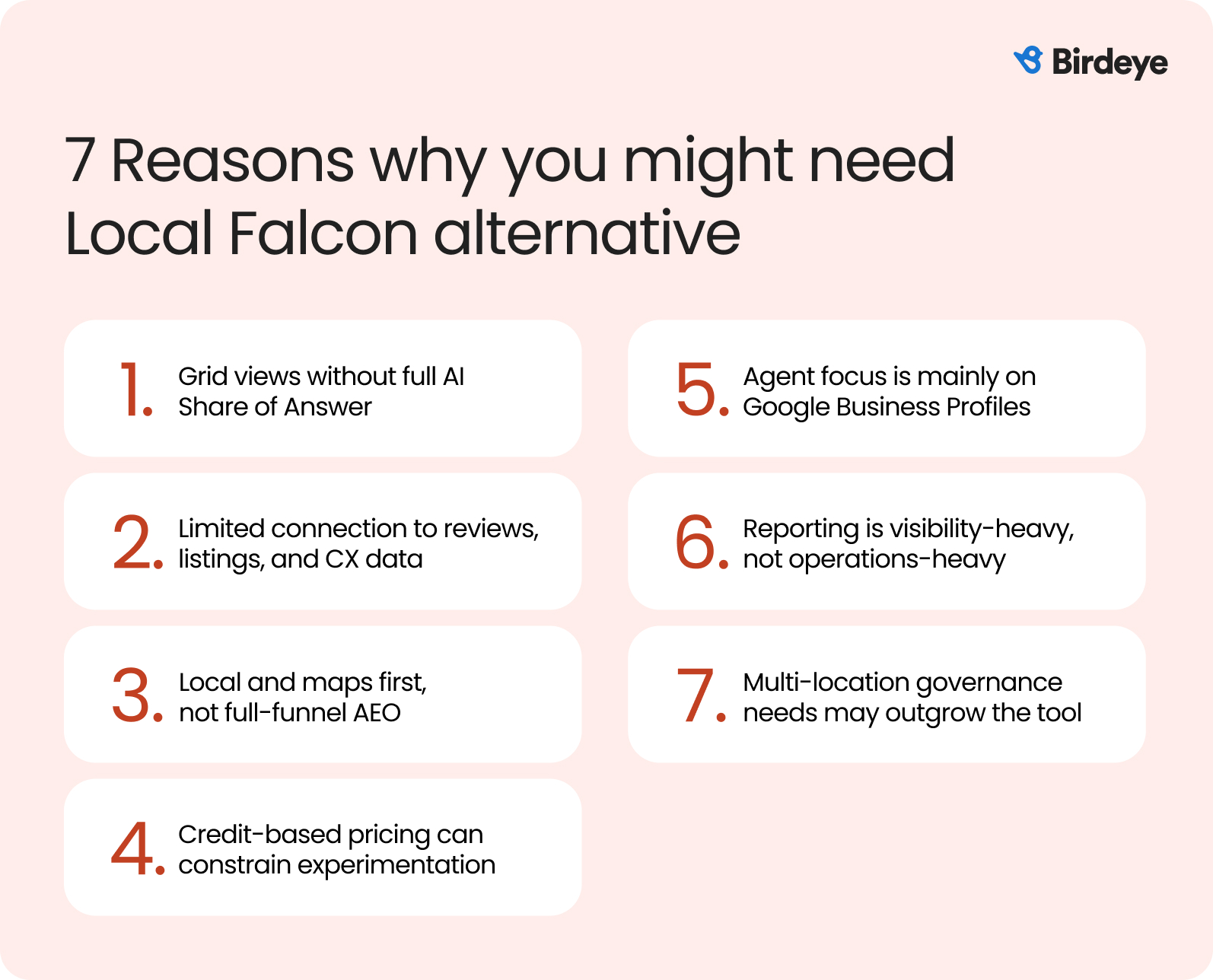
7 Reasons why you might need a Local Falcon alternative
Local Falcon is excellent for visual local rank tracking and AI map visibility, but some teams outgrow what a grid-first tool can do on its own. Here are the main reasons brands start evaluating Local Falcon alternatives.
1. Grid views without full AI Share of Answer
Local Falcon excels at geo-grids and SoLV, but brands that want deeper, cross-engine Share of Answer, narrative analysis, and citation intelligence across more LLMs may find its AI visibility layer too Google-centric and surface-level for enterprise AEO.
2. Limited connection to reviews, listings, and CX data
While Local Falcon explains where rankings drop on the grid, it does not natively manage reviews, listings, or messaging, so teams must connect those dots manually when trying to fix visibility issues rooted in NAP, sentiment, or experience.
Buggy Experience, with no refund, even though the credits were not used. I found Local Falcon quite buggy and messy during my experience. The product was nonfunctional and completely blocked, failing to deliver any results due to some issues, possibly related to a Google update. This made it impossible for me to use it effectively for its intended purpose: geomapping and analyzing local search results. Furthermore, the support team's response was slower than expected, taking a couple of days to address the issues, and they were unwilling to provide a refund. 4/5, verified G2 review
3. Local and maps first, not full-funnel AEO
The platform is built around Google Maps, local packs, AI Overviews, and AI Mode, which is ideal for local SEO but less suited to brands that also need brand-level GEO analytics, content workflows, and multi-engine AI search strategy.
4. Credit-based pricing can constrain experimentation
Local Falcon's credit system offers flexibility but can discourage frequent scans, multi-engine tests, or large-scale monitoring when teams are trying to conserve credits, especially for larger portfolios.
Your credits will expire, so use them or lose them, but they will give you 100 Free to try it out. The UX is not the most intuitive, as it may take you 2-3 clicks to perform tasks rather than 1 but my customers love the simple grids. 4/5, verified G2 review
5. Agent focus is mainly on Google Business Profiles
Falcon AI and Falcon Agent help analyze data and optimize Google Business Profiles, but broader agentic execution across reviews, social, and messaging still requires separate tools, which adds coordination overhead.
6. Reporting is visibility-heavy, not operations-heavy
The dashboards are excellent for showing “where you rank on the map,” but they provide limited direct linkage to operational KPIs such as review improvement, CX outcomes, or revenue impact at each location.
Not many options you can do with your report. It would be better if they had more insight. 4/5, verified G2 reviewer
7. Multi-location governance needs may outgrow the tool
Agencies and small chains fit Local Falcon well, but very large enterprises that need deep role-based access, location hierarchies, and unified AI + CX reporting across thousands of sites may prefer platforms designed primarily for multi-location governance.
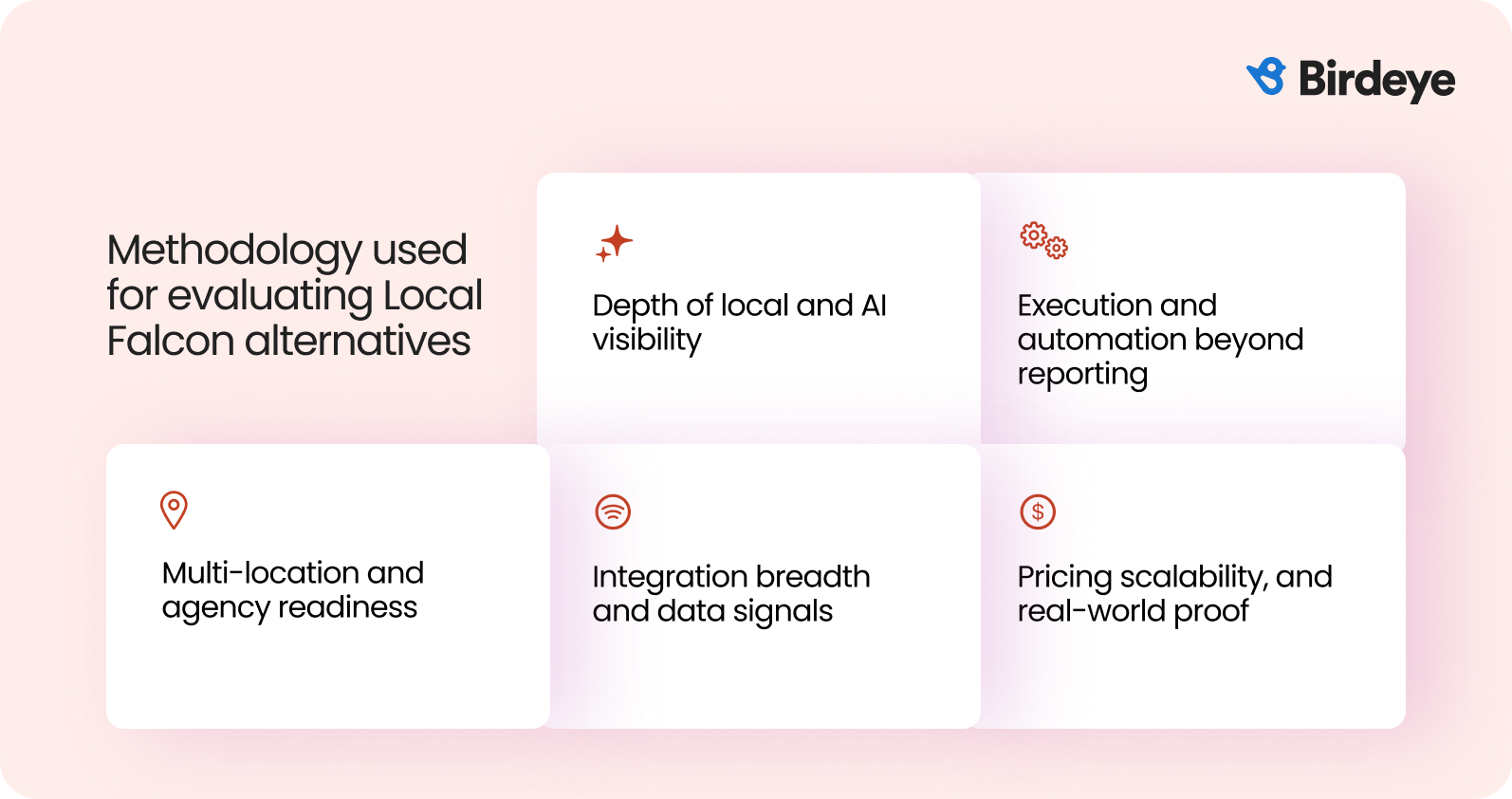
Methodology used for evaluating Local Falcon alternatives
Selecting the right Local Falcon alternative isn't just about matching geo-grids or AI Overviews support; it's about finding a platform that will still work when you have more locations, more engines, and more stakeholders to satisfy.
The tools highlighted on this page were evaluated using a consistent, research-driven lens aligned with local-first and enterprise AEO needs.
Depth of local and AI visibility:
Each tool was evaluated on how well it tracks local pack and map presence, Google AI Overviews and AI experiences, and visibility across major AI assistants, using metrics such as Share of Answer, sentiment, and citations.
Execution and automation beyond reporting:
We compared whether platforms only report on rankings and AI visibility or can also drive actions across listings, reviews, content, and CX, so teams do not have to manually bridge the gap from insight to fix.
Multi-location and agency readiness:
Extra weight was given to support for many locations or clients, including role-based access, location hierarchies, white-label reporting, and workflows that fit franchises, networks, and agencies.
Integration breadth and data signals:
Solutions were assessed on how well they integrate with core systems such as CRM, POS, analytics, and CX platforms, and on whether they incorporate real-world signals such as reviews, NAP accuracy, and engagement into visibility reporting.
Pricing scalability, and real-world proof:
We looked at how pricing scales with scans, engines, and locations, and favored tools with transparent tiers, documented customer outcomes, and independent reviews showing measurable gains in local and AI visibility.
Top Local Falcon alternatives at a glance
Platform
Best For
Core strengths
AI and local visibility focus
Pricing snapshot*
Birdeye Search AI
Multi-location and enterprise brands. (recommended Local Falcon alternative)
Unified AI visibility plus reviews, listings, NAP, messaging, social, and surveys in one agentic CX platform.
Tracks AI visibility and Share of Answer across leading assistants (for example, ChatGPT, Gemini, Perplexity) with per-location diagnostics and actions.
Custom, location-based pricing that scales by locations and activated modules.
Yext Scout
Brands are already standardized on Yext.
AI and search intelligence layer tied directly to Yext Knowledge Graph and listings data.
Monitors visibility across AI platforms and Google search with category-based, hyperlocal benchmarking.
Bundled into Yext contracts on a per-location model, best if you already use Yext.
AthenaHQ
Central marketing and growth teams focused on GEO analytics.
Generative Engine Optimization platform with prompt and model-level performance dashboards.
Measures how brands show up across multiple LLMs, and Google AI surfaces with competitive GEO benchmarking.
Tiered, credit-based GEO pricing, with higher tiers unlocking more engines and prompts.
Profound
Enterprise SEO and AEO specialists.
Deep Answer Engine Insights, Prompt Volumes, and crawler-based Agent Analytics for technical teams.
Tracks visibility, Share of Answer, and citations across up to 10 AI engines with advanced prompt analytics
Starter, Growth, and custom Enterprise plans, priced by engines and prompt capacity.
Otterly AI
Teams wanting simple, multi-engine AI monitoring.
Lightweight AI visibility tracking with clear dashboards and competitor views
Monitors brand mentions and visibility across major LLMs with configurable queries and alerts.
Subscription tiers starting under 100 USD per month, scaling with engines and prompts.
Search Atlas
SEO and content teams are adding GEO to the SEO stack.
All-in-one SEO suite that includes AI and LLM visibility, topical authority, and content tools.
Tracks Google AI Overviews plus multiple LLMs alongside traditional rankings and content performance.
SEO style plans starting around 99 USD per month, with higher tiers for agencies.
Nightwatch
Agencies and SEO teams need reporting plus AI signals
Modern rank tracking and reporting with added AI visibility metrics and white-label dashboards.
Follows keyword performance in Google Plus visibility across a set of AI engines such as ChatGPT and Gemini.
Tiered keyword-based plans starting at 30 to 40 USD per month, scaling by volume
*Pricing is indicative and varies by seats, locations, and feature mix.
Top 7 Local Falcon alternatives (detailed reviews)
1. Birdeye Search AI (Recommended)
Birdeye Search AI is built for multi-location and enterprise brands that want AI visibility and local SEO connected directly to reviews, listings, NAP accuracy, and CX execution in a single agentic platform.
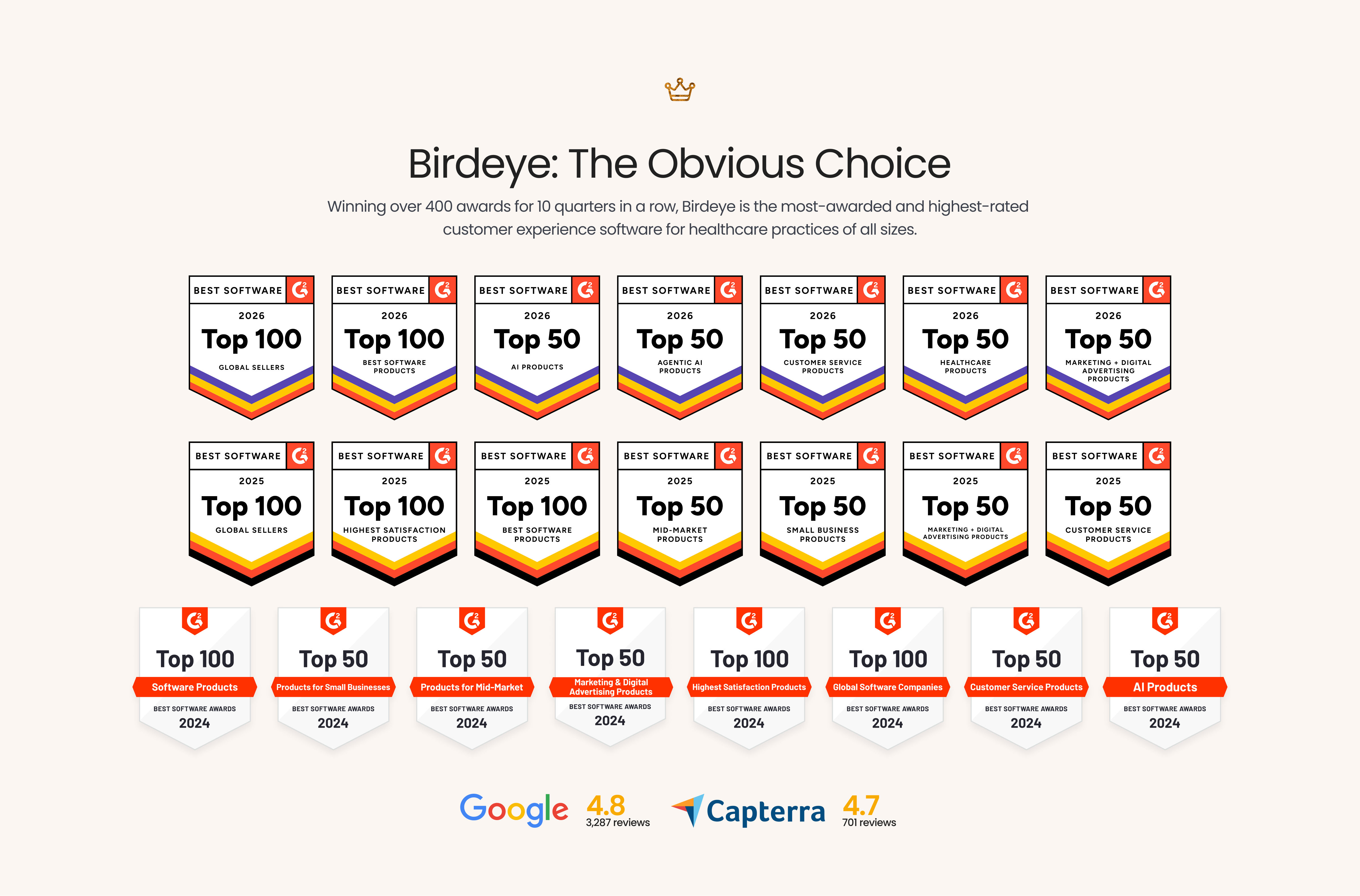
Star ratings (as of March 2026): G2: 4.7/5 (3,900+ reviews), Capterra: 4.7/5 (701 reviews)
Standout features
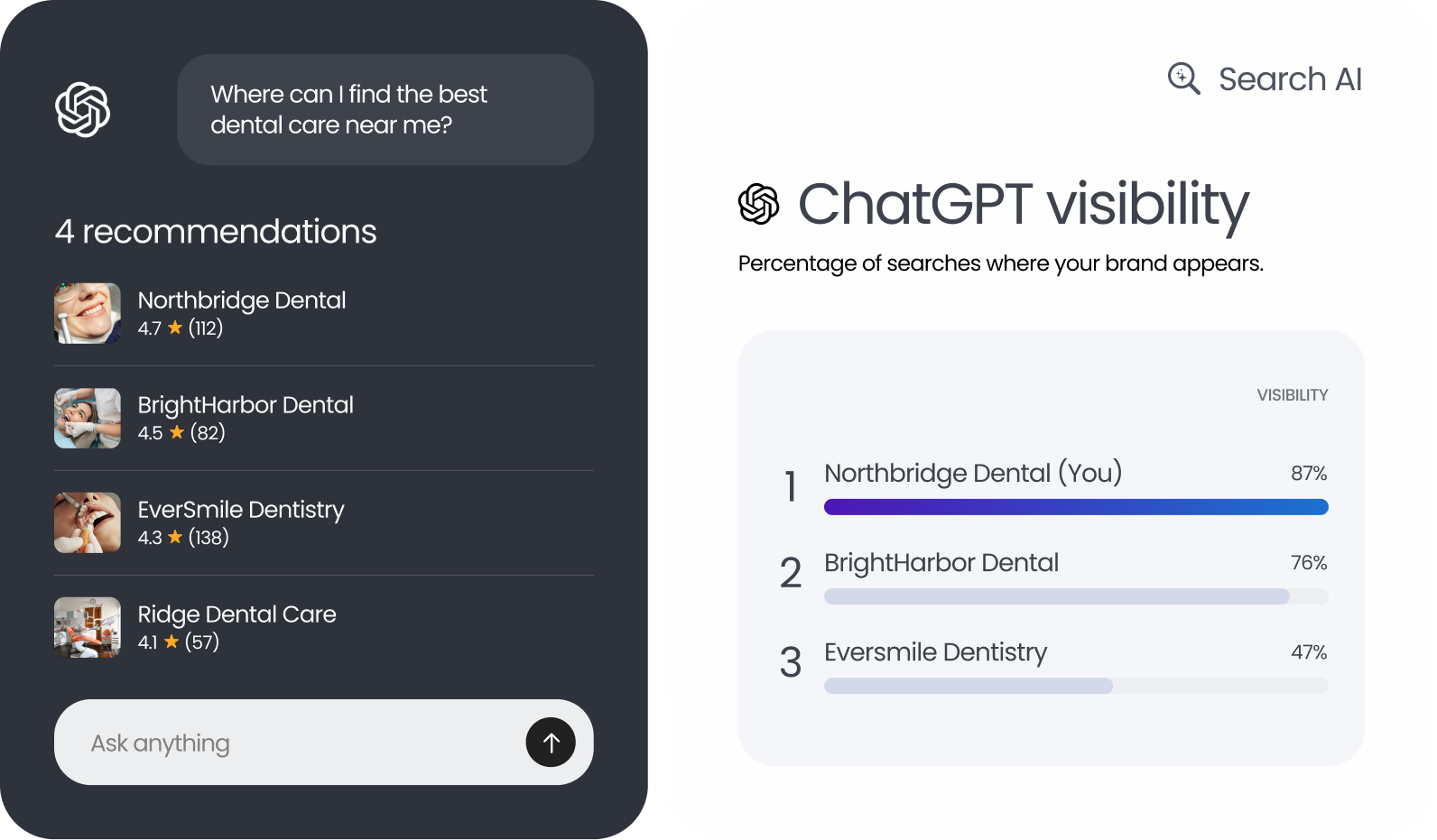
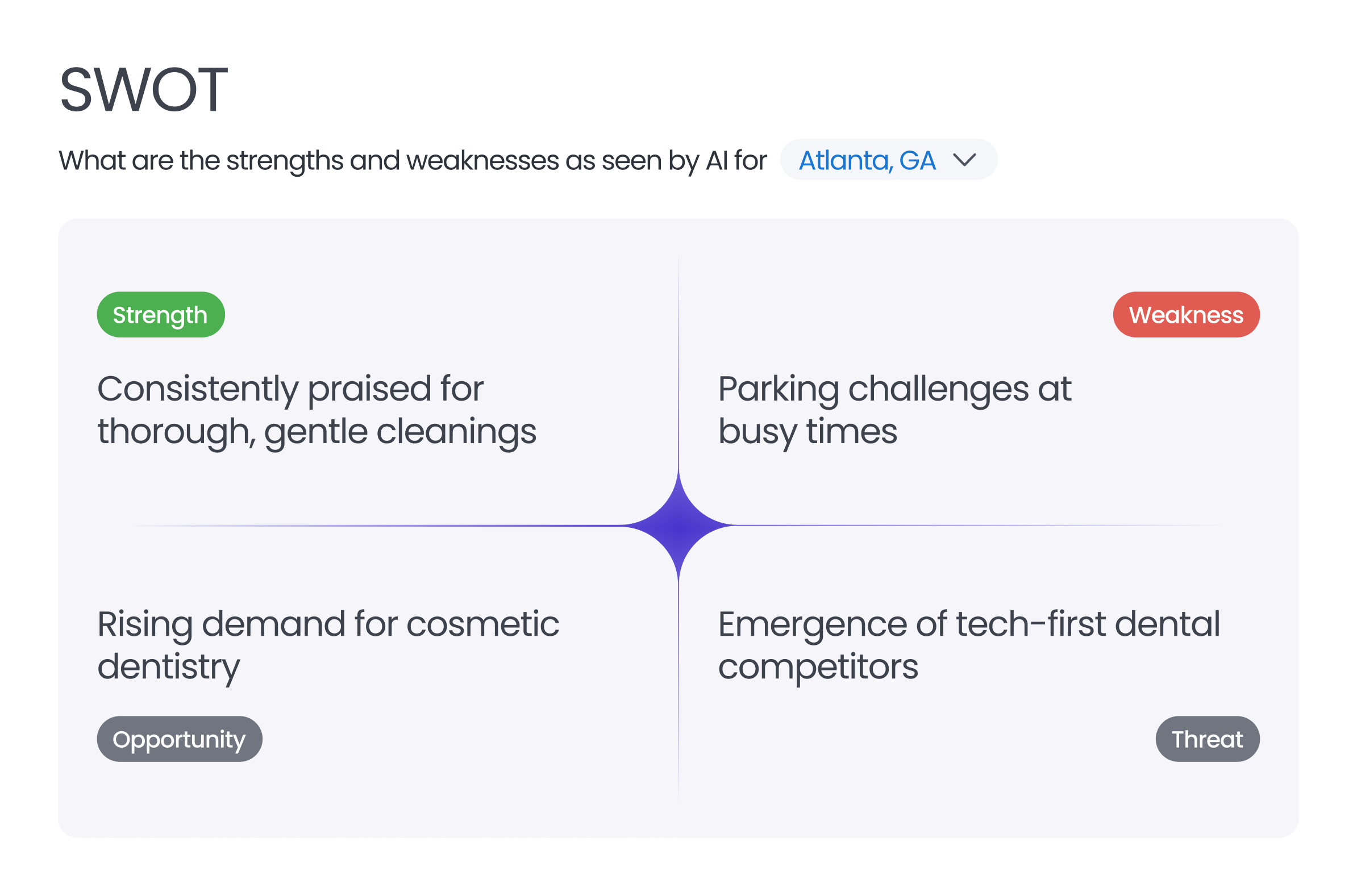
Birdeye Search AI gives brands a precise, location-level view of how often each store or location appears in AI responses, which themes it appears under, and against which competitors across engines like Gemini, ChatGPT, and Perplexity. It then links those signals to real customer prompts, trusted citation sources, and field-level data accuracy so teams can fix the specific inputs that actually move AI and local results.
Location-level AI visibility and Share of Answer, not just brand-level rollups.
Theme-based prompt intelligence that clusters real user questions by intent and market.
Citation and NAP accuracy insights showing which domains AI trusts and where business data is wrong or incomplete.
AI sentiment and narrative analysis that reveals how engines describe each location and region
Unified CX workspace with reviews, listings, social, messaging, and surveys alongside Search AI.
Agentic marketing advantage
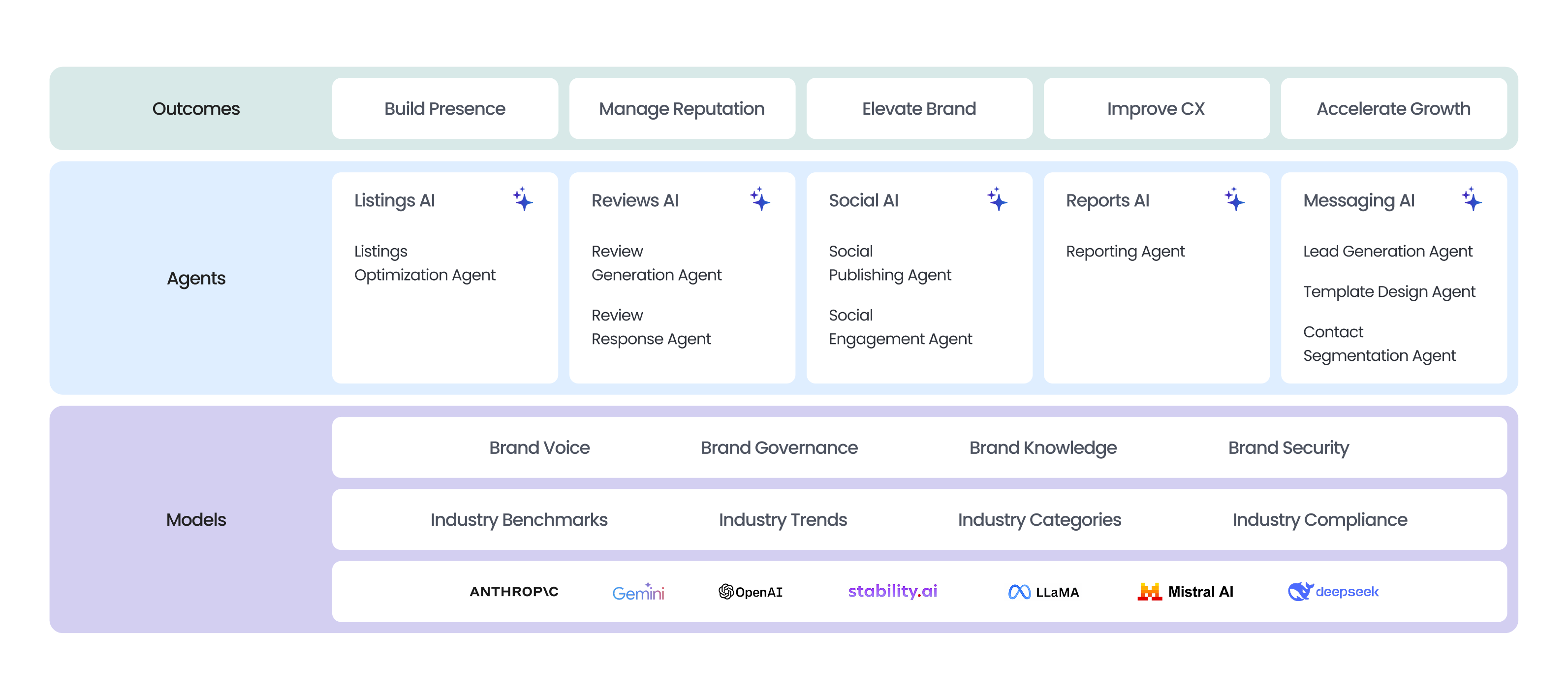
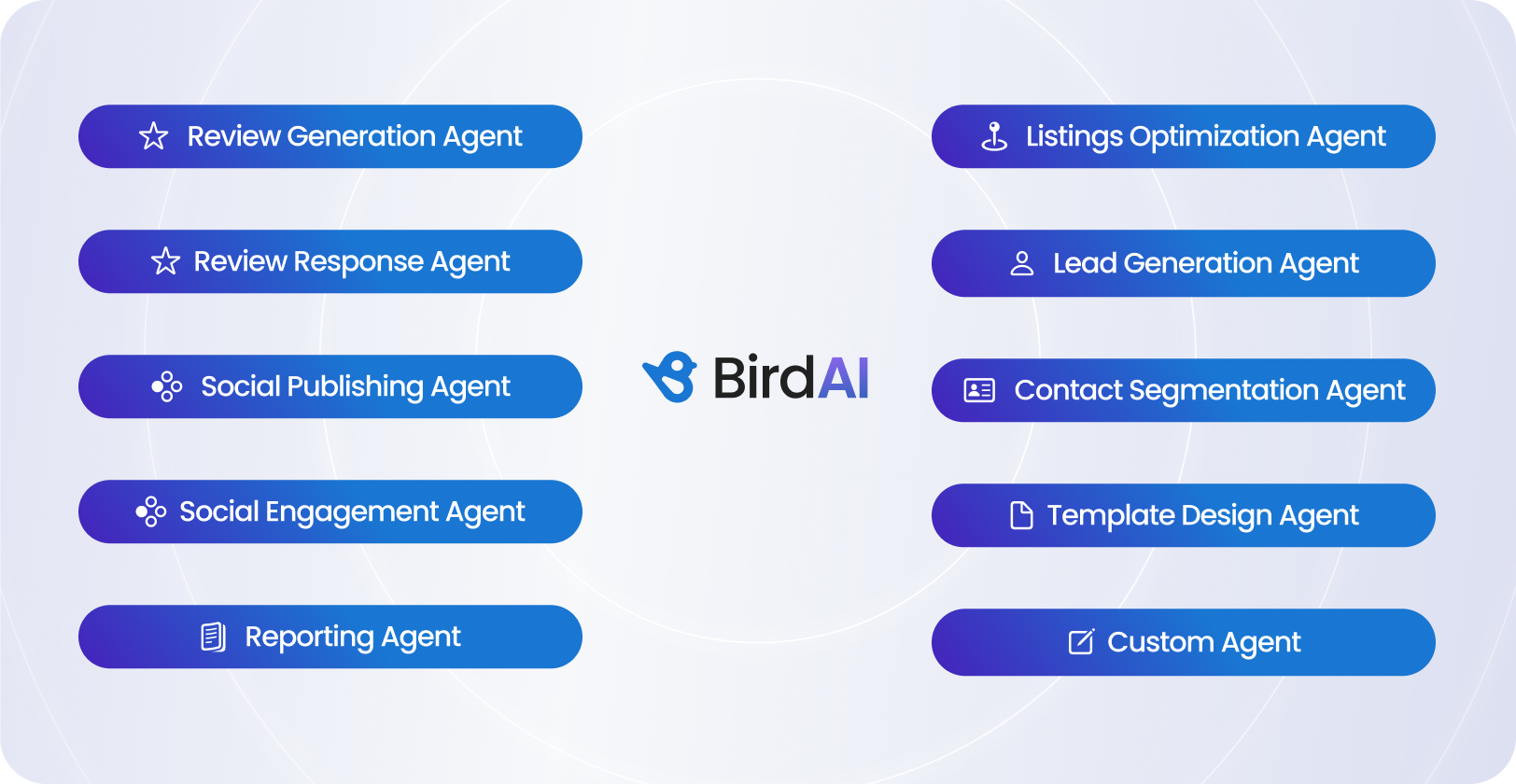
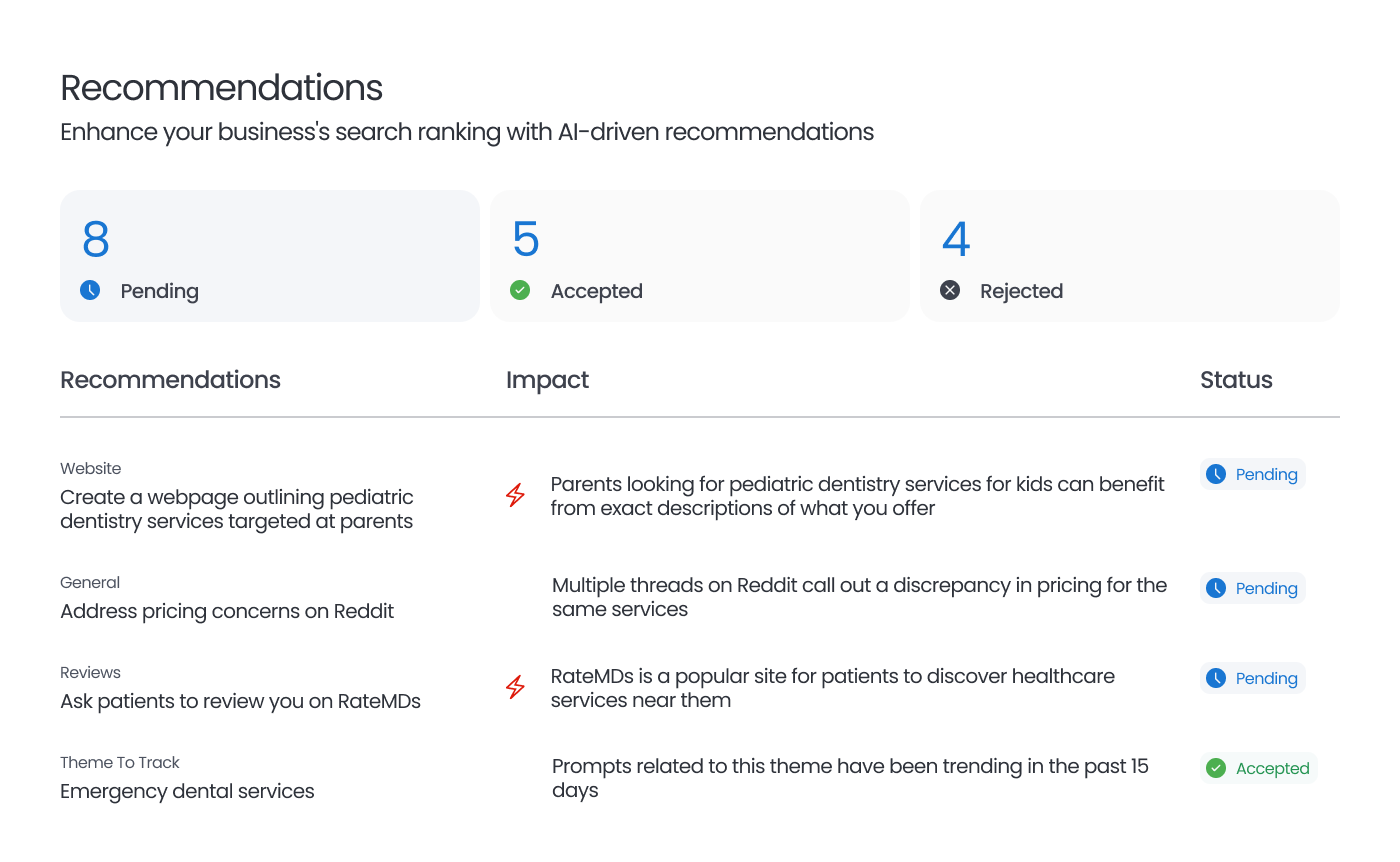
Birdeye's big advantage over Local Falcon is that Search AI does not exist in isolation. When it detects gaps, Birdeye's agents coordinate Listings AI, Reviews AI, Social AI, and Insights AI. to update profiles, push new reviews, and publish local content at scale, turning AI and local visibility into a closed loop instead of a static grid report.
Pros
Built for complex multi-location GEO and CX, not just maps.
Directly connects AI and local visibility to reviews and NAP data.
Agentic workflows reduce manual coordination between teams and tools.
Strong role-based access and location hierarchies for franchises and networks.
Proven at scale across tens of thousands of locations globally.
Cons
Best suited to brands that treat AI visibility and CX as one program.
Birdeye uses a simple location-based pricing model so brands can get a custom quote, paying only for the locations and modules they actually use.
Awards and recognitions
G2 2025: #1 in “Reputation and Customer Experience Management”
Forbes Advisor: “Best AI Marketing Platform for Multi-location Brands”
Capterra: "Leader in Reviews, Messaging, and Social Integration 2025"
Google Premier Partner Program: Recognized for enhancing brands' local search performance.
Pricing and value
Birdeye offers custom, location-based pricing that scales with the number of locations and modules, including Search AI, Reviews, Listings, Messaging, and Social, making it especially cost-effective for brands consolidating GEO, reviews, and listings into one platform.
Birdeye Search AI vs Local Falcon
Category
Birdeye Search AI
Local Falcon
Core focus
AI visibility plus local SEO tied directly to reviews, listings, NAP, messaging, social, and surveys in one platform.
Local and map visibility with geo grid scans and AI search visibility for Google AI Overviews, AI Mode, and select LLMs.
Primary users
Multi-location and enterprise brands that need AI plus CX execution across many locations.
Local SEO agencies and brick-and-mortar businesses focused on Google Maps and local pack visibility.
Visibility model
Per location Share of Answer, themes, sentiment, and citations across multiple AI assistants.
Grid-based view of rankings and Share of Local Voice across a service area for maps and AI experiences.
AI engine coverage
Tracks leading AI assistants such as ChatGPT, Gemini, Perplexity, and more, expanding over time.
Focused on Google surfaces (Maps, Local Pack, AI Overviews, AI Mode) plus limited LLM visibility like ChatGPT and Gemini.
Local SEO focus
Connects AI visibility with listings, reviews, and NAP accuracy for each location.
Specializes in geo grid tracking for Google Business Profiles and local SERP positions.
Execution and automation
Agentic: BirdAI agents can update listings, run review campaigns, and publish location content based on Search AI insights.
Falcon AI and Falcon Agent can suggest and apply optimizations to Google Business Profiles using grid data.
CX and reputation features
Built in Reviews, Listings, Messaging, Social, and Surveys modules alongside Search AI.
No native review management or messaging suite; relies on other tools for CX workflows.
Reporting style
Dashboards that tie AI visibility to CX metrics such as reviews, NAP accuracy, and location performance.
Highly visual heatmaps and grids showing where rankings are strong or weak around each location.
Multi location governance
Role-based access, location hierarchies, and enterprise reporting for large networks.
Supports many locations and projects, but governance is centered on projects and credits rather than deep org hierarchies.
Pricing approach
Location-based pricing by modules, with custom quotes for different footprints.
Credit-based pricing where plans start around 24.99 USD per month and include unlimited users and locations, but limited scans.
Best fit
Brands that want AI visibility and local CX improvements managed together in one system.
Teams that mainly need to see and explain local and map rankings, especially on Google surfaces.
What Birdeye customers say
Birdeye is a valued partner for our business listings consistency and integrations. Their Listings AI, Social AI, and Reviews AI are integral to our overall marketing and brand strategy. The team is professional, and the support is best-in-class! The dashboard is easy to navigate, and our implementation and integration were seamless. Our team utilizes Birdeye daily for our social strategy and reputation management. Highly Recommended!– Patti M., Vice President of Marketing 5/5, verified G2 reviewer
Why Birdeye stands out
Birdeye stands out because it treats AI visibility as something to fix and improve, not just measure. Search AI pinpoints where each location is winning or losing in AI answers, which prompts and themes matter most, which sources AI trusts, and where business data is wrong or incomplete. It then feeds those insights directly into Birdeye's built-in agents, so improvements actually happen.
When Search AI spots gaps, agents can automatically correct listings data, kick off review campaigns, and suggest or publish new FAQs and local content for the exact locations that need help. That means AI visibility is constantly adjusted in the background, turning static reports in most tools into ongoing, coordinated action that improves how every location appears in AI search over time.
2. Peec AI
Peec AI is an AI search analytics platform for marketing teams that want to see how brands perform inside AI answers, not just in classic search. It tracks prompts, visibility, position, and sentiment across multiple AI models, so teams can understand how often they appear, how they are ranked, and how they are described.
Star Rating:G2: 5/5 , Capterra: Not yet widely rated
Key features
Shows what share of chats mention your brand, where you rank in AI answers, and whether the tone is positive or negative.
Track how your brand and key competitors perform across LLMs like ChatGPT, Google AI Mode, AI Overviews, Deepseek, Perplexity, and Gemini.
Adds competitor brands and see how they compare on visibility, position, and sentiment for the same prompts.
Distinguishes between brand mentions and source citations, so you can see whether AI trusts your content
Pros
Makes the most sense for multi-location brands already invested in Yext.
Benefits from Yext's mature, structured location and listings data.
Cons
Focused, marketer-friendly dashboards for AI visibility.
Local SEO and geo-grid views are lighter than those in tools built specifically for map and pack tracking.
Deeper features (for example, full model access, API, SSO) require the Enterprise tier, which may be more than smaller teams need.
Pro: 245 USD/month - all covered in Starter and 2 projects.
Advanced: 495 USD/month - 350 prompts, everything in Pro and 5 projects, multi-country support, and GSC/GA/Looker integrations.
Add-ons let you pay an extra monthly fee to track additional AI models on top of your base plan, so you can expand coverage without immediately jumping tiers.
3. Profound
Profound is an enterprise AEO platform for teams that want to study AI visibility in depth: which prompts matter, how engines crawl their site, and where citations originate.
Star Rating:G2: 4.6/5
Key features
Answer Engine Insights reporting on visibility, Share of Answer, and citations across major AI tools.
Log-based Agent Analytics that reveal how AI crawlers access and render your pages.
Prompt Volumes data that shows real query demand across dozens of AI assistants.
Built in content workflows to adjust pages and assets for better AI answers.
Pros
Provides one of the deepest analytic views available for AI visibility.
Well-suited to large SaaS and enterprise brands with mature SEO teams.
Cons
Does not handle reviews, listings, or CX execution; it is analytics only.
Non-technical marketers may find the product complex and demanding.
Full engine coverage and richer options are available primarily in the Enterprise tier.
Pricing and Value:Profound offers Starter, Growth, and Enterprise packages, with higher tiers adding more engines, prompts, and integration options. It is best suited when an organization can pair its analytics with other tools that handle local SEO and CX.
4. AthenaHQ
AthenaHQ is a Generative Engine Optimization platform for central marketing, demand, and growth teams that want to understand how their brand shows up across major LLMs and Google AI surfaces at a strategic, brand level.
Star Rating:G2: 4.8/5
Key features
GEO dashboards that compare brand performance across leading LLMs and Google AI experiences, rather than only traditional SERPs.
Prompt, use-case, and model-level analytics that show which intents you win or lose, along with competitive benchmarks.
Recommendations to refine answers, prompts, and supporting content for high-value journeys (for example, evaluation or pricing queries).
Broad seat allowances across many plans, so the marketing, product, and revenue teams can all access the same GEO view.
Pros
Strong GEO analytics for teams focused on brand and campaign-level AI performance, not just keywords.
Clear orientation toward commercial impact, pipeline influence, and revenue opportunities from AI visibility.
Cons
Limited built-in connections to reviews, listings, and CX tooling, so local execution needs separate platforms.
Emphasizes brand- and use-case-level visibility more than granular, per-location diagnostics.
Full multi-engine coverage and higher prompt volumes sit in the upper, more expensive tiers.
Pricing and Value:AthenaHQ follows a tiered, credit-based pricing structure in which higher plans unlock more engines, prompts, and advanced features, making it a better fit for GEO-heavy central teams than for brands whose primary need is deep, multi-location CX and location-level execution.
5. Otterly AI
Otterly AI is a lean AI visibility monitor designed for teams that simply want to see how often they appear in different LLMs, without adopting a large SEO or CX platform.
Star Rating:G2: 4.9/5
Key features
Dashboards summarizing mentions and visibility across several leading AI assistants.
Custom tracking for brand, product, and competitor topics.
Lists of the URLs and domains AI answers are drawing from when they reference your brand.
Notification options when visibility trends shift or new mentions appear.
Pros
Quick to roll out for marketing and communications teams.
Pricing tiers are clear and scale logically with usage.
Cons
Does not manage listings, reviews, or local profiles.
Limited attention to multi-location structures and branch-level reporting.
No built-in automation to push updates or launch campaigns.
Pricing and Value: Plans start at about 29 USD per month for basic usage and rise to about 489 USD per month for higher volumes, with enterprise plans available when more engines and queries are required.
6. Search Atlas
Search Atlas is an SEO platform that adds AI and LLM tracking on top of its existing capabilities for keyword research, technical audits, and content optimization.
Star Rating:G2: 4.6/5, TrustRadius: 3.6/5
Key features
Visibility tracking in Google AI Overviews alongside regular search rankings.
Tools to map topical authority and spot content gaps by topic cluster.
On-page optimization recommendations that consider both SEO and answer engine factors.
Monitoring for multiple LLMs, including ChatGPT, Claude, Gemini, Perplexity, and others.
Pros
Convenient for SEO and content teams that want one main platform.
Generally cheaper than standalone AEO tools targeted only at enterprises.
Cons
AI features are still heavily centered on Google rather than all assistants.
Lacks native modules for reviews, listings, or CX messaging.
Better suited to domain-level SEO than to detailed multi-location execution.
Pricing and Value: Entry plans start at around 99 USD per month, with higher tiers that support more users, projects, and data, making Search Atlas a reasonable option when AI visibility is part of a broader SEO program.
7. Nightwatch
Nightwatch is an SEO and rank-tracking platform that has gradually added AI visibility metrics, which are especially attractive to agencies and internal SEO teams that rely on clean reporting.
Star Rating:G2: 4.9/5, Capterra: 4.8/5
Key features
Keyword rank tracking with strong support for location filters and device types.
AI and LLM visibility data for engines such as ChatGPT, Claude, Gemini, and Perplexity.
White-label dashboards and scheduled reports that agencies can share with clients.
Flexible tagging and grouping of keywords by funnel stage, product, or region.
Pros
Reporting and client management features are very agency-friendly.
Interface makes it easy to present AI and SEO trends together.
Cons
AI functionality is an extension of rank tracking, not the primary design.
No built-in tools for reviews, listings, or CX changes.
Does not provide the granular, location-level AI plus CX view that multi-location brands often need.
Pricing and Value: Nightwatch offers tiered plans that start at around 32 USD per month for smaller keyword sets and scale with keyword and prompt volumes, keeping costs manageable for agencies adding AI metrics to their existing SEO reporting stack.
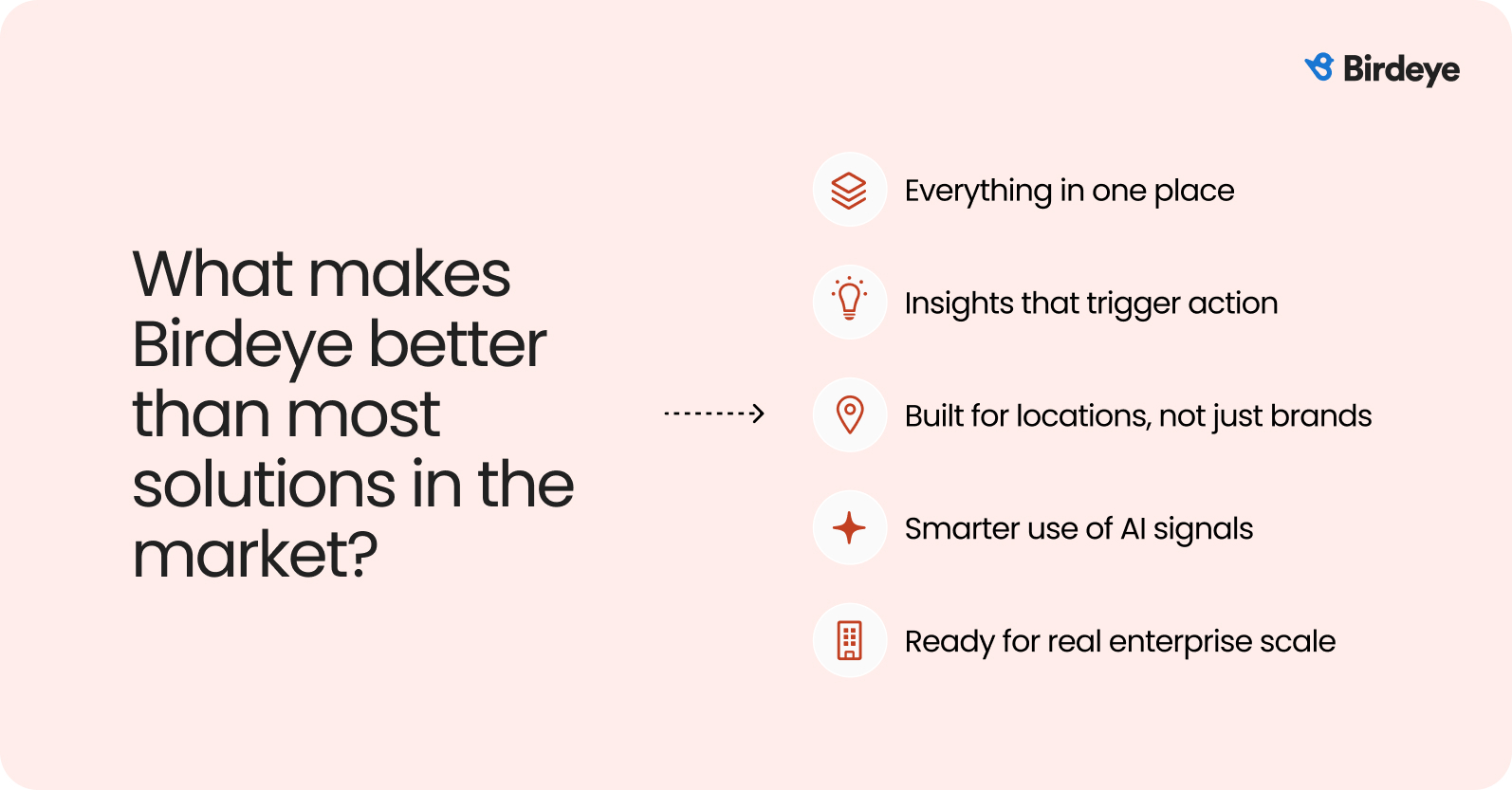
What makes Birdeye better than most solutions in the market?
Birdeye stands out because it treats AI visibility as part of how you actually run the business day to day, not just something you report on once a month. This AI answers links directly to real-world presence (listings, reviews, messaging, local content) to provide insights, enabling agents to efficiently and scalably resolve issues without manual follow-up.
For multi-location brands, that means AI search becomes a live, controllable channel tied to CX and revenue, rather than a black box that only specialists can interpret.
Everything in one place
Birdeye ties AI visibility to listings, NAP data, reviews, messaging, social, and surveys in a single, location-centric platform. You see not just where you appear in AI answers, but which data, sentiment, and CX signals are driving that performance.
Insights that trigger action
Birdeye transforms insights into actionable workflows, moving beyond merely highlighting where you are losing. When Search AI spots bad hours, weak themes, or negative sentiment, agents can update listings, launch review campaigns, and publish FAQs or local content for the exact locations that need help.
Built for locations, not just brands
Birdeye defaults to per-location Share of Answer, sentiment, citations, and recommendations, then rolls that up to brand and region views. That makes it clear which stores or clinics are dragging down performance and what to change at that address, not just at the domain level.
Smarter use of AI signals
Search AI groups real prompts into themes, shows which domains AI trusts, and highlights how AI describes your brand's strengths and weaknesses. Those signals feed marketing, ops, and CX decisions, not just SEO tweaks.
Ready for real enterprise scale
Role-based access, location hierarchies, and integrations into CRM, POS, and analytics make Birdeye practical for franchises and large networks. You can govern thousands of locations, see impact on revenue and CX, and run AI visibility as an ongoing program instead of a one-off project.
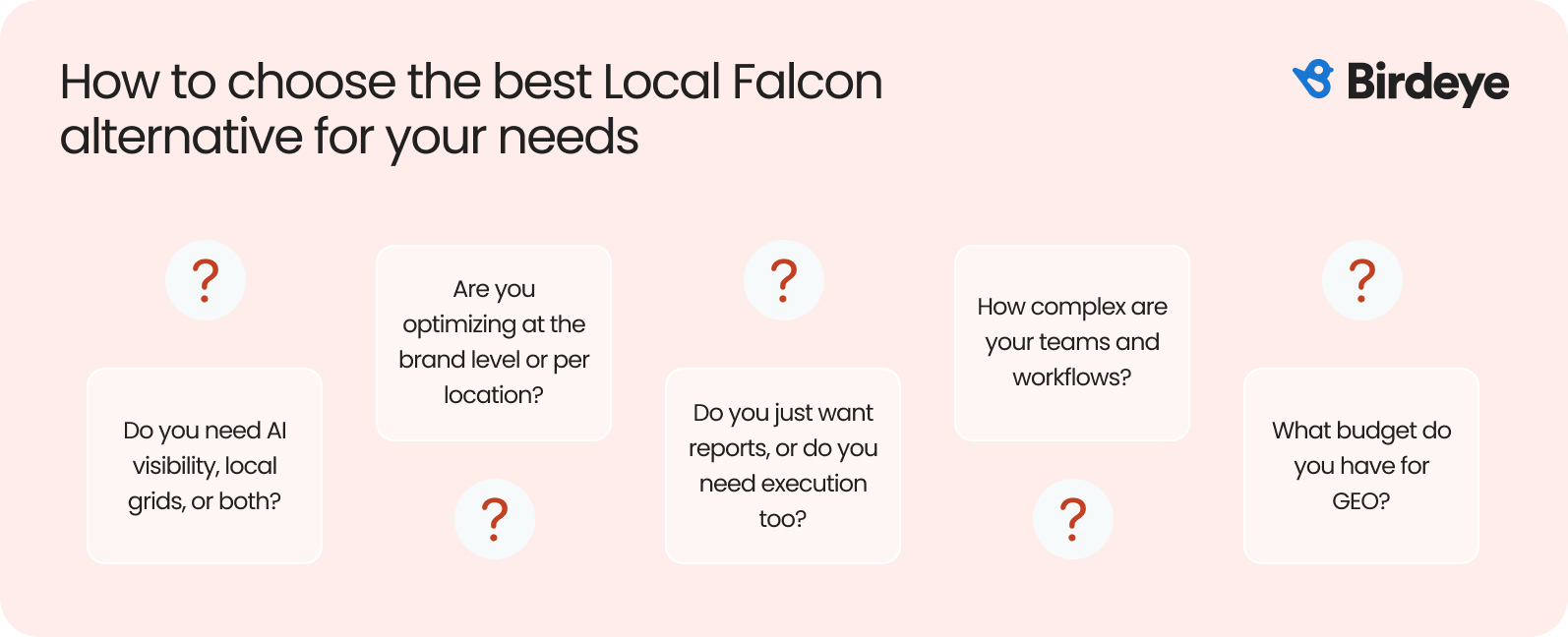
How to choose the best Local Falcon alternative for your needs
Choosing the right Local Falcon alternative comes down to how you work, not just which grid looks nicest. Here are five questions to guide the decision.
1. Do you need AI visibility, local grids, or both?
Decide whether your primary need is geo-grid rank tracking, AI/LLM visibility, or a mix of both. If grids are the core, prioritize tools that excel at map and pack visualization; if AI surfaces matter more, look for deeper engine coverage, Share of Answer, and citation insights, even if the grid piece is lighter.
2. Are you optimizing at the brand level or per location?
If you mostly care about overall brand presence, a domain-level GEO tool may be enough. If specific stores, clinics, or regions matter, you'll need true location-level reporting (per location visibility, competitors, and actions) rather than a single blended score.
3. Do you just want reports, or do you need execution too?
Some platforms focus on measurement—dashboards, exports, and alerts, while others also help update listings, launch review campaigns, or publish content. If your team struggles to act on insights, favor a tool that can trigger or automate changes, not just show grids and charts.
4. How complex are your teams and workflows?
Consider how many brands, regions, and user types you need to support. Agencies and large networks usually need role-based access, white-label reporting, and location hierarchies, while smaller teams might be fine with a simpler, single-workspace setup.
5. What budget do you have for GEO?
Match pricing and plans to your growth plans and usage. Credit-based tools can be great for occasional scans but may get expensive with heavy usage, while subscription tiers with engine or location limits may be better for ongoing, always-on monitoring across many locations.
Migration checklist: How to switch from Local Falcon to Birdeye in easy steps
Moving from Local Falcon to Birdeye is structured and low-risk, with Birdeye's onboarding team guiding the transition so your marketing, SEO, and ops teams stay focused on results rather than wrestling with tools.
Step 1: Define migration goals and scope: Clarify what you want to improve beyond Local Falcon—stronger AI visibility, better review generation, unified reporting, or fewer siloed tools. Decide which Birdeye modules (Listings, Reviews, Search AI, Social, Messaging, Surveys, Insights) you'll roll out first and agree on a timeline for replacing your current grid-based workflows.
Step 2: Export essential Local Falcon data: Pull the data you rely on today: locations and service areas, geo-grid projects, scan history, competitor sets, and key reporting views you share with clients or internal teams. Capture any benchmarks (by market, by location) that you'll want to compare against once Birdeye is live.
Step 3: Map Local Falcon workflows into Birdeye: Work with Birdeye's onboarding specialists to translate your Local Falcon use cases into Birdeye workflows. They'll map locations, roles, and reporting needs into the right modules so you keep the visibility you care about, while adding AI Share of Answer, sentiment, and CX signals on top.
Step 4: Connect your core systems and channels: Reconnect Google Business Profiles, plus any CRM, analytics, website, and social accounts you use alongside Local Falcon today. Turn on automations so listing updates, review requests, and engagement flows start running in the background as soon as Search AI identifies issues or opportunities.
Step 5: Validate, train, and refine: Compare a sample of locations to validate data accuracy, visibility trends, and reports against what you're used to seeing in Local Falcon. Birdeye will train your central and local teams on how to read AI visibility, use playbooks, and act on recommendations, then refine dashboards so they match your reporting rhythms.
Step 6: Go live with expert support: Roll out Birdeye across all locations in phases or all at once, with onboarding support on hand for the first few weeks. Monitor early results, adjust automations, and make sure stakeholders are getting the AI + CX views they need before fully retiring your Local Falcon projects.
Why switching from Local Falcon to Birdeye feels easier
Hands-on onboarding keeps your existing local SEO and reporting cadence running while you transition.
One unified platform replaces separate grids, review tools, and listings workflows.
Built-in support for multi-location brands makes it easier to manage regions, franchises, and governance.
Prebuilt integrations and automations help you see AI and local gains faster than with a grid-only setup.
Birdeye is an excellent way to drive patient reviews to your chosen review sites. The dashboard offers several useful features to help you manage reviews and gain insights into your business. The customer service is outstanding. 5/5, verified G2 reviewer
FAQS about Birdeye Search AI, the #1 Local Falcon alternative
1. What is a Local Falcon alternative?
A Local Falcon alternative is any tool that helps you understand how visible your locations are in local and AI search, but may offer different strengths such as deeper AI coverage, stronger CX features, or broader SEO capabilities. Some alternatives focus mainly on geo grids and rank tracking, while others add reviews, listings, and automation on top.
2. How is Birdeye different from Local Falcon?
Birdeye combines AI visibility with reviews, listings, messaging, and social in one platform, so you can see and fix local and AI issues from the same place. Local Falcon excels at geo grid mapping and AI pack visibility, but many users pair it with separate tools for reviews, automation, and deeper CX workflows.
3. Do I still need geo grids if I switch tools?
If you report on “where we rank on the map” for clients or internal teams, a grid-style visibility (or an equivalent map-based view) is still very useful. Some alternatives replicate this directly, while others offer different visualizations (location lists, area coverage, or engine-level Share of Answer) that can replace grids if your stakeholders care more about AI and CX outcomes than pure map positions.
4. Which engines should a Local Falcon alternative support?
At minimum, your alternative should cover Google local results and AI Overviews, and ideally also major LLMs your customers actually use, such as ChatGPT, Gemini, Perplexity, and similar assistants. If your audience is global or highly digital, cross-engine coverage matters more than if you mainly serve local, Google-centric traffic.
Ready to switch from Local Falcon to Birdeye?
Switching from Local Falcon to Birdeye is about moving from a grid-only view to a platform that shows why locations win or lose in AI and local search, and then automatically fixes those gaps through reviews, listings, and content.
If you're ready to see per-location AI visibility, cut down your tool stack, and turn “we found an issue” into hands-off, agent-driven execution, you're ready for Birdeye.
Birdeye is easy to navigate, and I love that it consolidates all review channels into a user-friendly dashboard. I also appreciate how it automatically updates listings across multiple platforms, allowing me to edit and publish directly within the dashboard. The platform offers a wide range of tools and consistently keeps up with industry trends, recently providing solutions for how businesses can be discovered through AI chat functions.- Caitlin P, Marketing Director 5/5, verified G2 reviewer
If you want AI visibility and CX execution in one agentic platform, Birdeye Search AI is built to turn AI search insights into measurable, multi-location growth.
Disclaimer: The content on this page is based on research compiled from publicly available information. Birdeye does not warrant the completeness or correctness of the information and cannot be held liable for its use.
Start growing with Birdeye today
See what makes Birdeye the clear choice for today's leading enterprises. Get a firsthand look at the capabilities of the all-in-one Birdeye Platform.