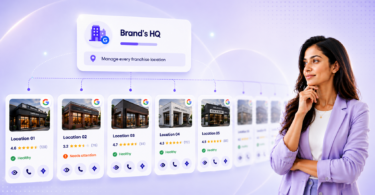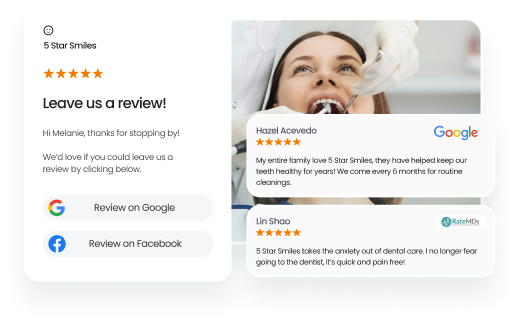
Email marketing automation used to be simple. You set a workflow, schedule a sequence, and assume it will reach the right prospects or customers at the right moment.
But multi-location brands don’t operate in that world anymore. Today’s customer expectations are higher, attention spans are shorter, and personalization is no longer optional.
Summary
Customers expect brands to know who they are, what they need, and when they need it — no matter which location they visit or channel they use. And the only way to deliver that level of personalization at scale is to automate the work behind it.

Multi-location businesses need a system that doesn’t just send automated emails, but thinks, decides, and executes like a capable teammate. Industry data also shows that automated emails, though typically only about 2%, can generate roughly 41% of email-driven orders.

That’s where Agentic AI becomes the new standard for email marketing automation.

This guide explains why that shift matters for multi-location brands and how agentic email automation turns personalization into a scalable advantage.
Table of contents
- The new era of email marketing automation for multi-location businesses
- How agentic marketing transforms email automation
- How Birdeye’s agentic platform transforms email marketing automation
- FAQ about email marketing automation for multi-location businesses
- Birdeye is the agentic platform built for email marketing automation at scale
The new era of email marketing automation for multi-location businesses
Email marketing automation has evolved from a simple scheduling tool into a business-critical operating system for multi-location brands. Static workflows and one-size-fits-all segments no longer deliver relevance at scale.
That model stops working the moment you operate across dozens of locations with different teams, different customer behaviors, and different local realities.
Modern customers don’t respond to generic automation anymore. They expect:
- Email campaigns that reflect their intent, history, and location.
- Brands to anticipate their next step, not recycle last year’s automated email sequence.
Research shows that segmented and personalized email campaigns achieve up to 50% higher click-through rates and 30% higher open rates compared with unsegmented campaigns — proving that relevance drives engagement.
This shift is exactly why advanced email marketing automation has become a core operating system for growth, not just a messaging tool.
What email marketing automation really means today
Modern email automation is no longer about preset drip sequences. It is about responsiveness and intelligence. The systems that drive meaningful customer engagement share three characteristics:
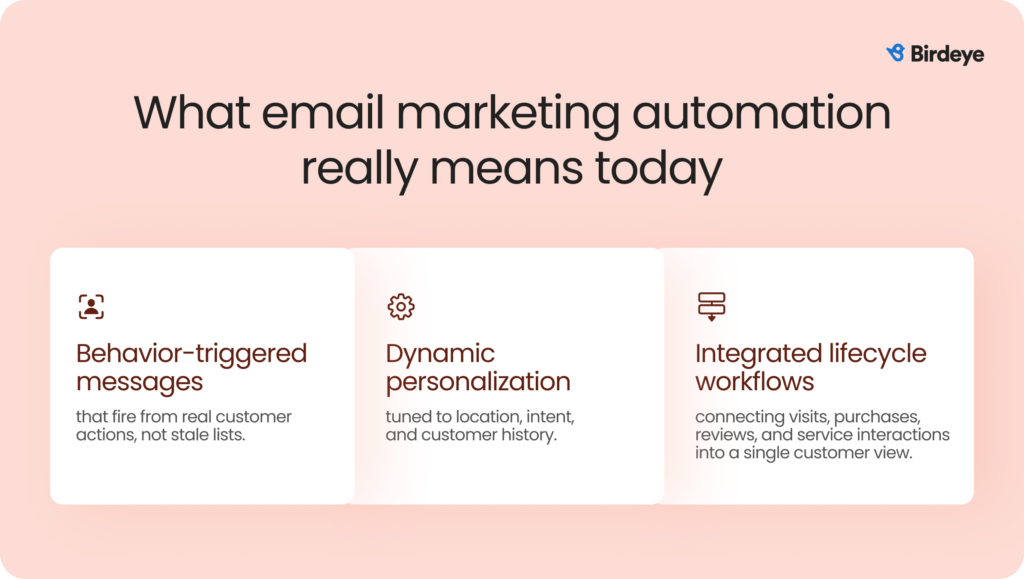
Example: A customer visits Location A, receives a tailored follow-up email that references the service and clarifies next steps. If engagement drops a week later, an automated retention email offer triggers based on patterns at similar locations.
This is the level of precision customers now expect from any email marketing automation platform.
Why multi-location businesses depend on automation more than single-location brands
Single-location businesses can survive with basic email automation. Multi-location brands cannot. The operational complexity is too high, and the margin for inconsistent communication is too thin. Your front-line teams don’t have the time or systems to manage individualized follow-ups at scale.
Three pressure points push multi-location brands toward advanced automation:
- High customer volume creates operational overload. Manual follow-ups simply cannot keep pace.
- Personalization must be consistent across locations, not chaotic or manager-dependent.
- Each location’s customer behavior and local context differ, which makes centralized batch-and-blast emails ineffective.
Imagine a dental group with thirty offices sending their own follow-up emails. One location thanks its customers. Another forgets. Another sends outdated information. Automation solves this by standardizing what matters while still allowing for local nuance. It protects the brand while elevating every customer interaction.
Email marketing vs marketing automation: What really happens behind the scenes
What’s actually broken in traditional email automation
The original promise of automated email marketing was efficiency. But for multi-location brands, traditional tools often introduce new problems:
- Siloed data and slow manual segmentation lead to incorrect targeting.
- One-size-fits-all journeys that ignore location-level nuance and customer complexity.
- Cannot adapt to real-time behavior, so irrelevant emails keep being sent.
A common example illustrates the issue. A national promotion is sent to all customers, including those who already purchased last week. Instead of driving revenue, the email creates friction. A rigid workflow cannot recognize that this customer’s journey has already progressed.
Those failures reveal a simple truth: automation without intelligence creates noise. The next step is automation that thinks. And that shift is exactly what Agentic AI is built to address.
How agentic marketing transforms email automation
Email automation worked when customer behavior was predictable. Today, it isn’t. Multi-location brands face different customer needs, market conditions, and operational realities across regions. Static workflows can’t keep up.
Agentic marketing changes this model entirely. Instead of forcing marketers to predict every scenario, AI agents continuously observe customer behavior, decide what matters, and execute the next step automatically.
The shift from rule-based automation to autonomous execution
Rule-based email automation follows a predictable formula: if a customer does X, send Y.
Such campaigns follow a simple pattern:
- Build a rule.
- Attach an email.
- Hope the rules keep up with reality.
Agentic automation replaces that rigidity with adaptive logic:
- Agents track real behavior, not old rules.
- Segments update as customers move.
- Emails adjust based on context, timing, and sentiment.
- Campaigns evolve without needing a marketer to rebuild the entire workflow.
If engagement drops for a segment, an agent spots the decline, drafts a winback email, tests it at a few locations, and scales it if it works. No marketer manually intervenes. This is how automation becomes autonomous.
Why this shift matters for multi-location businesses
Multi-location organizations deal with complexity that cannot be solved with static rules. What works for Location A may not work for Location B. What resonates in one region may underperform elsewhere. Agents solve this by operating with precision at the location level.
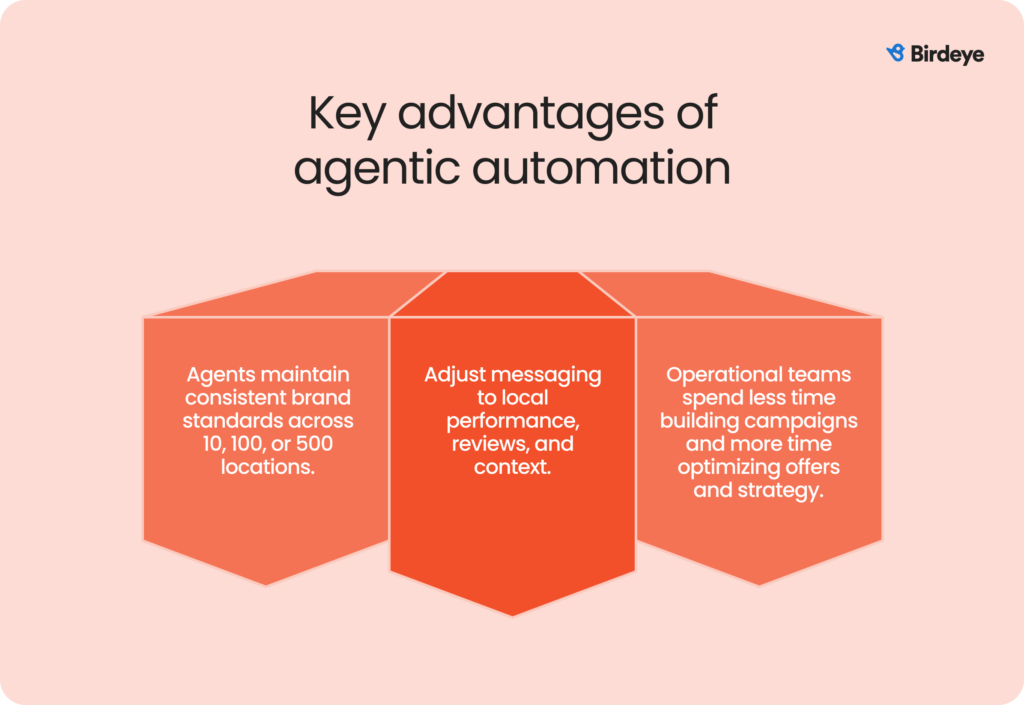
This gives every location the support of a centralized marketing engine while allowing for local context.
What becomes possible with agentic email automation
Once the system can make decisions, new opportunities emerge that traditional marketing automation platforms cannot support.
Multi-location brands can now:
- Trigger sentiment-driven emails — e.g., negative review → service recovery message.
- React to competitor moves — e.g., local price drop → retention sequence.
- Centralize strategy while preserving local nuance, so campaigns update in real time.
This creates a marketing system that is always learning, always adapting, and always optimizing.
Agentic automation only works when the underlying platform can support intelligent triggers, unified customer data, and consistent execution. This is where Birdeye differentiates itself.
How Birdeye’s agentic platform transforms email marketing automation
Most email marketing software promises automation, but requires heavy manual setup. Birdeye removes that burden entirely. As the #1 agentic marketing platform for multi-location businesses, Birdeye uses specialized AI agents to execute email marketing with intelligence and precision.
Each agent handles a different part of the customer lifecycle. They analyze signals, create messages, update segments, and trigger the right email at the right moment, across every location, without forcing marketers to rebuild workflows manually. This is what allows Birdeye to unify customer experience, marketing operations, and lifecycle communication at scale.
Messaging AI
Messaging AI manages conversations across channels, understands context, and executes automated email campaigns based on real behavior.
Key abilities:
- Qualifies leads, drafts replies, and personalizes content in real time.
- Turns emails into dynamic messages that adapt to sentiment, location, and outcomes.
- Unified Inbox consolidates email, SMS, chat, and social so every message is context-aware.
Template Design Agent
Design bottlenecks slow teams down. Template Design Agent solves this by generating on-brand templates, newsletters, and automated email sequences instantly.
What it enables:
- Consistent brand voice across every location.
- Easy local customization without breaking the master design.
- Faster testing cycles for automated emails, promotions, and lifecycle programs.
This gives operators a way to scale design and messaging without depending on central creative teams.
Review-triggered email automation with Reviews
Reviews connects customer feedback directly to your email marketing automation strategy. It monitors reviews from 200+ sites Birdeye supports and triggers emails automatically.
Examples:
- Review request emails sent immediately after a visit using behavioral triggers.
- Service recovery emails are triggered when Reviews detects negative sentiment.
- Loyalty or referral prompts triggered by positive reviews.
This builds a tight lifecycle loop between experience, feedback, and communication.
Search AI + Competitors AI
Search AI identifies what customers are asking search engines and AI assistants. This helps brands automatically adjust messaging themes and content angles.
Competitors AI monitors local competitors and detects changes in offers, pricing, sentiment, and customer behavior. When conditions shift, automated email campaigns adjust.
Examples:
- Competitor discount triggers a retention email.
- Emerging competitor in a ZIP code triggers re-engagement outreach.
This ensures email marketing automation stays relevant to each local market.
Insights AI + Reporting Agents
Insights AI listens to customer conversations, reviews, and messaging data across all locations. It identifies themes, sentiment shifts, operational gaps, and trending issues.
Reporting Agent converts these insights into action. They interpret patterns, flag emerging issues, and help agents optimize automated email campaigns based on what is actually working.
Example: Insights AI detects rising negative sentiment around a service category. Reporting Agents surface the top 3 affected locations and trigger a remedial email and a service recovery workflow.
Social AI
Social AI keeps your social presence aligned with your email strategy. It detects content trends, identifies high-performing topics, and synchronizes messaging across channels.
Examples:
- If a promotion performs well in email, Social AI mirrors it on social.
- If social sentiment drops, email messaging adjusts to reinforce trust.
This closes the loop between your email marketing automation, your online presence, and customer engagement.
FAQ about email marketing automation for multi-location businesses
It’s the process of using software to automate email campaigns based on customer behavior, timing, and real-time signals. Birdeye’s AI agents elevate this with autonomous personalization.
With Birdeye, AI agents segment audiences, draft emails, and trigger automated email campaigns based on customer actions, so you skip manual setup.
Post-visit follow-ups, review requests, winback emails, transactional emails, and personalized offers — all automated through Birdeye’s Messaging AI.
It ensures consistency, improves customer engagement, and personalizes messages at scale across every location without manual effort.
Yes. Birdeye connects with 3,000+ systems to sync contacts, automate email triggers, and centralize all customer interactions.
Birdeye is the agentic platform built for email marketing automation at scale
Email automation is no longer about workflows or drip sequences. Multi-location brands need systems that can interpret customer signals, adapt to local realities, and automatically deliver the right message.
This is exactly where Birdeye stands apart.
As the #1 agentic marketing platform for multi-location businesses, it uses specialized AI agents to execute email marketing for teams that don’t have time to replicate:
- Messaging AI writes and personalizes emails in real time.
- Segmentation Agent updates audiences automatically.
- Template Design Agent keeps every location on brand.
- Reviews, Social AI, Search AI, Competitors AI, Insights AI, and Reporting Agents power the triggers, insights, and optimizations that make automated email campaigns smarter over time.
Leading global businesses trust Birdeye to modernize customer engagement.
Together, these agents create a lifecycle system that thinks, decides, and executes at the scale multi-location brands require. And with 3,000+ integrations and gathers reviews from over 200+ review sites, Birdeye connects the full customer journey back into your automation, so every message reflects reality, not outdated workflows.
About the Author

Shruti Dugar
Birdeye
Originally published