Healthcare marketing analytics measures and analyzes patient, marketing, and operational data to improve patient engagement, optimize marketing performance, and support data-driven decision-making across healthcare organizations.
Summary
Healthcare organizations often collect large volumes of data across multiple systems but struggle to connect those insights to patient engagement and marketing outcomes. The right analytics help identify performance gaps, measure what works, and support better decisions throughout the patient journey.
This blog discusses healthcare marketing analytics, the key metrics to track, common challenges, emerging trends, and the tools healthcare organizations use to improve patient engagement and marketing performance.
Table of contents
- How healthcare segments are using analytics differently
- Key marketing analytics trends redefining healthcare
- Laying the groundwork for a modern marketing analytics strategy for a healthcare
- How to overcome healthcare marketing challenges with AI & Analytics
- Platforms shaping enterprise-level healthcare marketing analytics
- How Total Point Healthcare used Birdeye to boost patient engagement
- Reinvent your marketing with AI & analytics
- Frequently asked questions on healthcare marketing analytics
- How Birdeye helps healthcare organizations turn analytics into action
How healthcare segments are using analytics differently
Different parts of the healthcare industry use analytics based on their patient touchpoints, goals, and workflows.
Use cases by segment:
- Hospitals: Track appointment trends, discharge follow-ups, and campaign ROI
- Payers/Insurance: Analyze open enrollment behavior, policy engagement, and retention
- Pharma: Monitor prescriber activity, adherence programs, and patient education
- Telehealth platforms: Optimize virtual visit engagement and reduce no-shows
There’s no one-size-fits-all approach—analytics strategies must reflect each segment’s specific goals and patient journey.
Key marketing analytics trends redefining healthcare
2026 is transforming how healthcare marketers think about data. It’s no longer about collecting information for reporting—it’s about applying insights in real time to build stronger, more personalized, and compliant patient experiences.
These aren’t emerging trends anymore—they’re baseline expectations for healthcare brands that want to compete and connect.
1. AI-powered personalization and predictive targeting
Artificial intelligence is rapidly becoming the core engine behind healthcare marketing. At its core, this trend is powered by data collection, predictive analytics, and machine learning models that enable organizations to target, personalize, and optimize communication in real time. In 2026, here’s how healthcare organizations are using AI to turn analytics into action:
- Tailor communication to the individual: AI enables hyper-personalized messaging based on a patient’s historical data, such as health records, appointment history, digital behavior, and stated preferences. This shifts marketing from generic outreach to tailored patient journeys.
- Predict patient needs proactively: Using predictive analytics, marketers can anticipate what services a patient may need before the patient even realizes it. For example, AI might flag when a patient is due for a screening and could benefit from timely educational outreach and a call to action for scheduling.
- Drive automated decision-making: AI doesn’t just analyze—it also helps trigger the next best action, whether sending a follow-up email, recommending relevant content, or prompting a patient for outreach to care coordinators.
This way, AI ensures that your marketing is relevant and timely—an essential combination for improving patient outcomes and campaign ROI.
2. Data-driven content engagement: Interactive formats and short videos
Patients today expect digital content that is engaging, accessible, and easy to digest. As a result, healthcare marketers are using these formats not just to educate but to collect actionable engagement data that informs smarter campaigns.
- Short-form educational videos: Bite-sized clips (60–90 seconds) explaining procedures, coverage options, or treatment plans are highly effective for boosting comprehension. But beyond engagement, these videos also generate key metrics like watch time, drop-off rates, and CTA clicks that help marketers refine messaging and identify high-interest topics.
- Interactive tools: Health quizzes, decision calculators, and symptom simulators help patients actively participate in their care journey. Every interaction gives marketers valuable insights into user intent, preferences, and readiness to act. These insights can power follow-up campaigns, segmentation, or predictive scoring.
- Mobile-first delivery analytics: With more patients consuming content on their phones, performance data like load times, screen flow, and mobile-specific engagement are critical. Marketers use these insights to optimize healthcare content design, layout, and delivery, ensuring a frictionless, high-conversion experience on mobile devices.
Pro tip: Interactive and visual content also builds trust, improves understanding, and supports better health literacy, improving patient satisfaction and action.
3. Conversational analytics through generative AI and chatbots
Generative AI and conversational tools are expanding how healthcare organizations create content and connect with patients. These technologies help healthcare marketers scale content creation and automate patient interactions, all while generating granular analytics that inform strategy and improve outcomes.
Here’s how they’re reshaping marketing analytics:
- Chatbots for real-time assistance & data capture: Chatbots can now handle far more than appointment scheduling. In 2026, they can answer FAQs, guide patients through onboarding, and even conduct post-visit check-ins, etc. Each interaction generates data on drop-off points, engagement patterns, and patient intent, offering a goldmine of insights for campaign optimization.
- AI-generated marketing content with performance tracking: Generative AI tools produce personalized newsletters, landing pages, and social content while adhering to regulatory guidelines. Marketers can track how these assets perform across channels, using analytics to refine tone, timing, and messaging strategy.
- Seamless integration with workflows: Modern chatbots and content engines or GenAI platforms are integrated directly with CRMs, EHRs, and care management platforms. This integration allows for dynamic, context-aware conversations for unified performance tracking.
These tools reduce manual work, scale outreach, and enhance patient support, especially outside business hours, making marketing more efficient and patient-friendly.
4. Privacy-first, HIPAA-compliant marketing
Healthcare marketers must build ethical, compliant, and transparent strategies in an age where data privacy is non-negotiable. Here’s how privacy-first marketing shapes the analytics landscape:
- Data use only with consent: Every patient’s data used in marketing must be collected with clear permission. Opt-ins, consent forms, and transparent disclosures are now central to any campaign. This directly affects what datasets can be leveraged in segmentation models and behavioral tracking.
- Full transparency and user control: Patients expect to know how their data is being used. Brands must openly communicate their privacy policies and offer easy ways for users to opt out or modify preferences.
- Vendor and platform accountability: Partnering with tools and platforms that sign Business Associate Agreements (BAAs) and offer robust encryption, audit trails, and breach protection is essential to staying compliant with HIPAA and other data protection regulations.
Pro tip: Privacy-first marketing is about more than compliance—building long-term trust with your patients and community.
Laying the groundwork for a modern marketing analytics strategy for a healthcare
To succeed in 2026, healthcare marketers must use a privacy-first, analytics-driven framework that empowers engagement, better outcomes, and full regulatory compliance. It’s about making data actionable, ethical, and aligned with the patient journey.
Steps to develop your analytics-driven healthcare marketing strategy:
- Set measurable goals (e.g., reduce no-shows by 15%, increase campaign CTR by 30%, or boost patient acquisition in a specific service line).
- Build patient personas with behavioral, demographic, and clinical data.
- Map content to the full patient journey—from awareness to post-care
- Use analytics to personalize video, email, and ad content to ensure it resonates with different patient segments.
- Integrate platforms like CRM, EHR, and marketing automation for seamless data flow.
A clear, integrated marketing strategy enables marketing teams to engage smarter while remaining secure and compliant.
How to overcome healthcare marketing challenges with AI & Analytics
Despite its benefits, healthcare marketing has challenges that must be addressed head-on.
Common obstacles:
- HIPAA compliance & data security – Non-compliance can result in penalties and reputational damage
- Digital divide – Not all patients have equal access to or comfort with technology
- Internal silos – Disconnected departments can block data sharing and campaign alignment
For the full list of these obstacles, see our guide on healthcare marketing challenges.
Solutions:
- Choose HIPAA-compliant platforms with secure data handling.
- Use analytics to identify underserved populations and tailor outreach accordingly.
- Encourage collaboration between IT, marketing, compliance, and care teams.
- Leverage AI to organize and interpret large volumes of data efficiently.
- Automate routine tasks—like appointment reminders or feedback requests—to ease the burden on lean teams.
Solving these barriers unlocks greater impact and builds stronger, safer patient connections.
Healthcare Marketing Analytics that Drive Growth
Want to see the impact of Birdeye on your business? Watch the Free Demo Now.
Platforms shaping enterprise-level healthcare marketing analytics
Modern marketing demands enterprise-grade analytics platforms tailored to healthcare’s unique challenges. These platforms integrate with EHRs, CRMs, telehealth, and advertising systems while remaining HIPAA-compliant.
Key capabilities include:
- Real-time dashboards and campaign performance metrics
- Attribution modeling across multiple touchpoints
- Integration with clinical and behavioral data sources
- HIPAA compliance and data security protocols
Popular platforms:
- Improvado – Customizable dashboards with strong compliance tools
- Tableau – Deep data visualization and integration potential
- CallRail – HIPAA-compliant call tracking and conversation intelligence
The right platform turns fragmented data into strategic insights that fuel more precise, effective, and compliant marketing.
How Total Point Healthcare used Birdeye to boost patient engagement
Total Point Healthcare, a multi-location ER and urgent care provider, leveraged Birdeye’s AI-powered platform to streamline review collection using QR codes, track patient sentiment, and respond quickly across 20+ facilities.
As a result, they increased their reviews by 486%, improved their Google rating to 4.6 stars, and drove over 62,000 profile impressions—proving how smart healthcare marketing can transform patient engagement at scale.

AI enables marketers to move from reactive communication to predictive, personalized engagement at scale.
Reinvent your marketing with AI & analytics
In 2026, healthcare marketing success will depend on your ability to turn data into meaningful connections. Patients expect timely, personalized communication; organizations must meet these demands while maintaining trust. By adopting HIPAA-compliant tools, using AI to enhance engagement, prioritizing transparency, and continuously optimizing with real-time data, you can build long-term, valuable relationships and ensure seamless compliance.
Frequently asked questions on healthcare marketing analytics
Healthcare marketing analytics involves tracking, measuring, and analyzing patient data and marketing performance to improve outreach, engagement, and ROI in healthcare campaigns.
It helps healthcare organizations personalize patient communication, optimize campaigns, and make data-driven decisions while complying with privacy laws.
It can be, as long as data is handled using secure platforms, patient consent is obtained, and vendors sign a Business Associate Agreement (BAA).
Popular tools include Birdeye, Improvado, Tableau, Google Analytics (with caution), and CallRail, all of which offer various levels of HIPAA compliance and integration features.
How Birdeye helps healthcare organizations turn analytics into action

In healthcare, collecting patient data is only the first step. The real value comes from turning insights into meaningful actions that improve patient experiences, strengthen reputation, and support organizational growth.
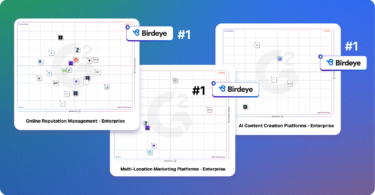
Birdeye is the #1 agentic marketing platform for multi-location healthcare organizations. Powered by BirdAI and a unified data platform, Birdeye brings together patient feedback, reviews, listings, messaging, and engagement data in one place.
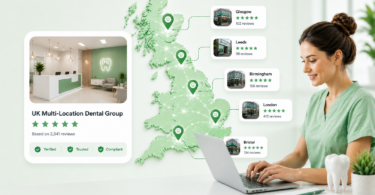
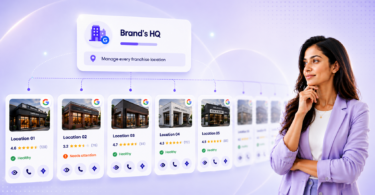
Instead of simply reporting on patient interactions, Birdeye helps healthcare teams uncover insights, automate key workflows, and take action across the patient journey. Trusted by thousands of healthcare providers, Birdeye helps organizations improve local visibility, manage reputation, and deliver better patient experiences across every location.
Birdeye is built around three core pillars:
- Consolidate: Unify patient, location, and engagement data into a single source of truth.
- Reason: Analyze feedback and interactions using context-rich insights.
- Act: Use agents to automate workflows and deliver measurable outcomes.
Here’s how Birdeye helps healthcare organizations transform analytics into action:
✅ Turn patient feedback into operational improvements
Insights AI analyzes reviews, surveys, and feedback to identify trends, service gaps, and opportunities to improve patient experiences.
✅ Use data-driven insights to support better decisions
BirdAI helps healthcare teams uncover patterns, monitor performance, and make informed operational decisions.
✅ Generate and manage reviews
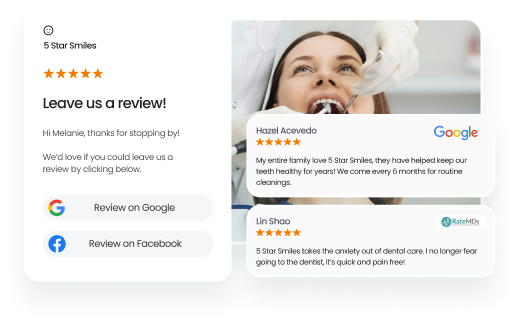
Reviews AI helps organizations collect patient reviews, improve provider visibility, and manage reputation across 200+ review sites. Review Generation Agent identifies the best opportunities to request patient feedback, while Review Response Agent drafts personalized responses based on patient sentiment and context.
✅ Improve local visibility
Listings AI maintains accurate provider information across directories and helps improve local search performance. Listings Optimization Agent continuously monitors listing accuracy, updates information across directories, and identifies opportunities to improve local search visibility.
✅ Monitor visibility across AI search
Search AI tracks how providers and healthcare brands appear across platforms like ChatGPT, Gemini, and Perplexity.
✅ Centralize patient communication
Messaging AI brings text, email, social media, and webchat conversations into one inbox for easier patient communication.
✅ Support patients 24/7
Chatbot AI answers questions, routes conversations, captures leads, and supports appointment booking around the clock.
✅ Benchmark against competitors
Competitors AI compares ratings, reviews, and patient sentiment against competing healthcare providers in local markets.
✅ Connect with healthcare systems
Integrations with Epic, Athenahealth, and eClinicalWorks help organizations connect patient experience data with existing workflows.
Birdeye helps healthcare organizations connect insights to action by combining analytics, reputation management, listings, messaging, patient engagement, and competitive intelligence into a single platform. Trusted by healthcare providers like Sutter Health, Total Point Healthcare, etc. Birdeye helps teams improve visibility, strengthen patient relationships, and deliver better outcomes across every location.
Watch a demo to learn how Birdeye connects analytics, reputation management, and patient engagement in one platform.

About the Author

Vanjana Sharma
Originally published