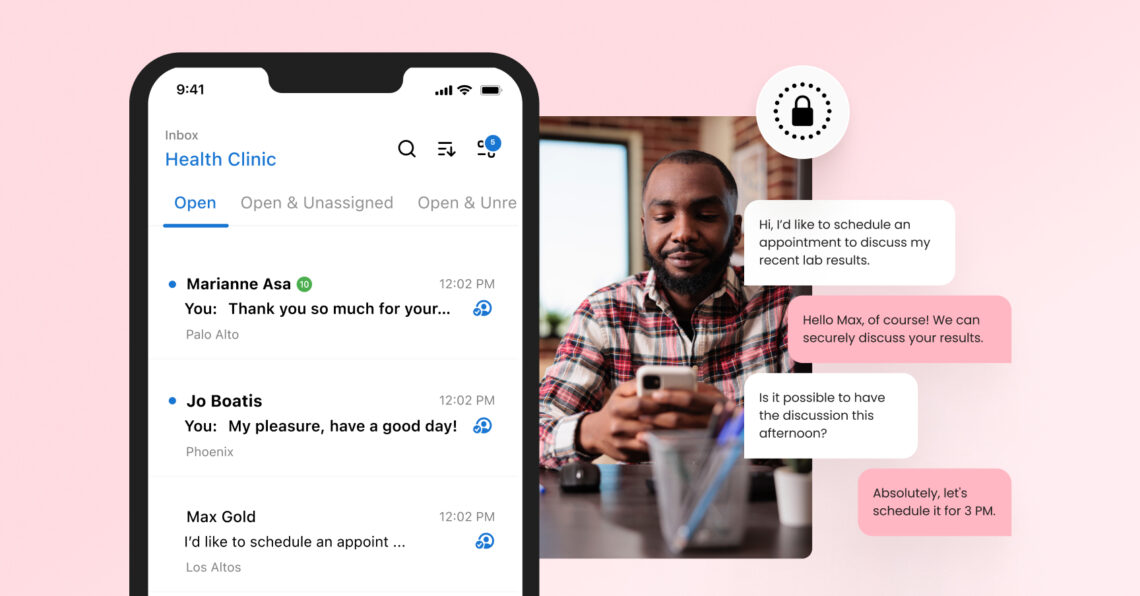
HIPAA-compliant texting software has become one of the fastest ways for healthcare organizations to improve the patient experience without compromising privacy. As patient expectations shift toward instant, mobile-first communication, secure text messaging is no longer optional; it’s a core requirement for modern healthcare delivery.
Summary
This guide breaks down what HIPAA-compliant text messaging really means, why regular SMS puts patient data or protected health information (PHI) at risk, and how healthcare providers can use HIPAA-compliant patient messaging to reduce no-shows, improve accessibility, and build trust at scale.
We also compare five leading HIPAA-compliant text messaging apps in 2026, highlighting the security features, enterprise-readiness, and patient-experience capabilities that matter most to multi-location healthcare organizations.
Table of contents
- What does a HIPAA-compliant texting solution mean?
- Is SMS HIPAA compliant?
- Features of HIPAA-compliant text messaging solutions
- 5 HIPAA-compliant text messaging software to explore in 2026
- Boost patient experience with HIPAA-compliant text messaging
- FAQs on HIPAA-compliant texting
- Level up HIPAA-compliant patient messaging with Birdeye
What does a HIPAA-compliant texting solution mean?
A HIPAA-compliant texting solution is a secure communication platform that enables healthcare providers to exchange patient information via text while fully complying with HIPAA privacy and security regulations. Unlike regular SMS, HIPAA-compliant texting software is specifically designed to protect protected health information (PHI) from unauthorized access, breaches, or misuse.
HIPAA-compliant patient messaging ensures sensitive data, such as appointment details, care instructions, intake information, and follow-ups, can be shared safely without exposing healthcare organizations to compliance risks.
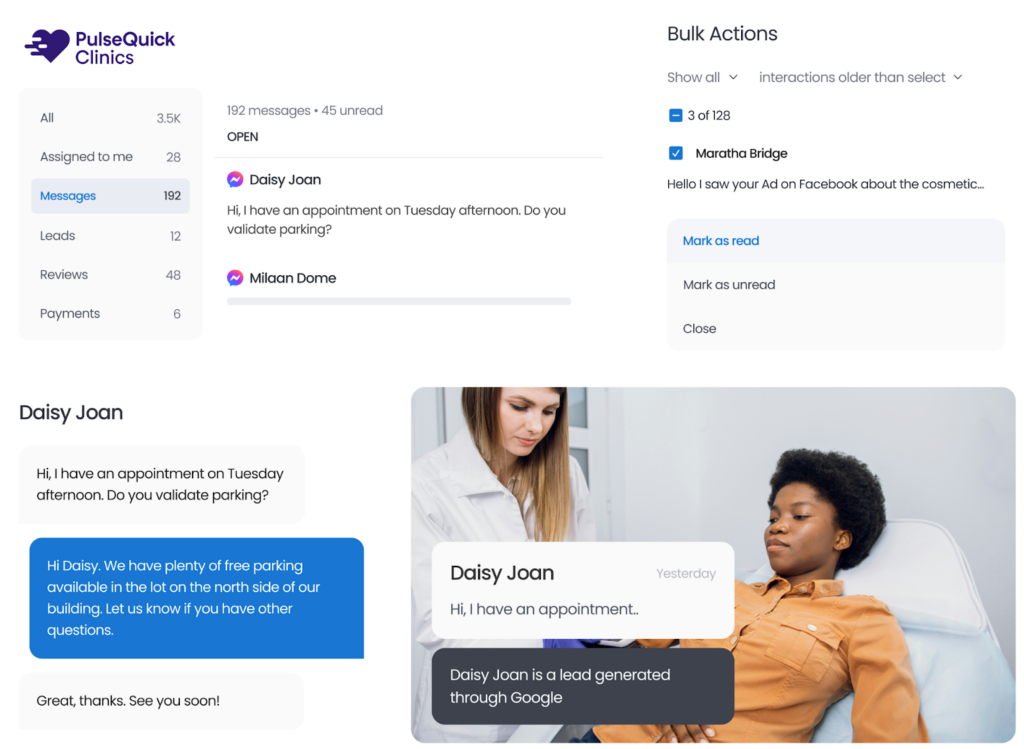
How HIPAA-compliant secure text messaging works
HIPAA-compliant secure text messaging platforms protect PHI by combining technical safeguards with administrative controls. These systems encrypt messages during transmission and storage, restrict access based on user roles, enforce authentication requirements, and maintain complete communication records for audits.
This makes HIPAA-compliant text messaging apps suitable for everyday healthcare communication, including appointment reminders, post-visit follow-ups, lab notifications, patient intake coordination, and internal care team collaboration.
What makes HIPAA-compliant texting software different from regular SMS
HIPAA-compliant texting software is purpose-built for healthcare environments. Traditional SMS was never designed to handle sensitive health data and lacks the safeguards required under HIPAA regulations.
Key differences include:
- Messages are encrypted end-to-end to prevent interception
- Access is limited to authorized users through role-based controls
- Communication history is logged and retained for compliance audits
- Data can be remotely wiped if a device is lost or compromised
These safeguards allow healthcare providers to use HIPAA-secure text messaging without risking data exposure or regulatory penalties.
Why HIPAA-compliant patient messaging matters for healthcare organizations
HIPAA-compliant patient messaging plays a direct role in improving patient experience while reducing operational risk. Secure text messaging allows healthcare teams to respond faster, reduce phone volume, and meet patients where they already communicate, without compromising privacy.
For enterprise and multi-location healthcare organizations, HIPAA-compliant text messaging apps also support consistency and governance across teams. Centralized access controls, audit trails, and standardized workflows ensure compliance is maintained at scale, even as patient communication volumes grow.
Is SMS HIPAA compliant?
No. Regular SMS texting is not HIPAA compliant and should not be used to exchange patient information.
Traditional SMS messaging does not meet HIPAA security requirements because messages are not encrypted, cannot be reliably audited, and may be accessed by unauthorized parties during transmission or on lost devices. Even when patients consent to texting, healthcare providers remain responsible for protecting PHI.
Why regular SMS fails HIPAA compliance standards
Standard SMS was built for convenience, not healthcare data protection. As a result, it lacks the technical and administrative safeguards required for HIPAA-compliant secure text messaging.
Key limitations of regular SMS include:
- No end-to-end encryption during message transmission
- No role-based access controls or user authentication
- No audit trails to track patient communication
- Messages stored on personal devices without security enforcement
Because of these gaps, SMS exposes protected health information to unnecessary risk and potential HIPAA violations.
Does patient consent make SMS HIPAA compliant?
Patient consent alone does not make SMS HIPAA-compliant.
HIPAA requires healthcare organizations to implement reasonable safeguards to protect PHI at all times. Even if a patient agrees to receive messages via SMS, providers are still accountable for data security, breach prevention, and compliance documentation. This is why HIPAA-compliant texting software is strongly recommended for any form of patient communication that involves identifiable health information.
When secure text messaging becomes HIPAA compliant
Text messaging becomes HIPAA-compliant only when delivered through a secure platform designed specifically for healthcare use.
HIPAA-compliant text messaging software includes:
- End-to-end encryption to protect data in transit and at rest
- Secure user authentication and access controls
- Centralized message management and audit-ready records
- Administrative safeguards that support compliance oversight
These protections allow healthcare providers to use HIPAA secure text messaging confidently for appointment coordination, follow-ups, care instructions, and internal collaboration.
Features of HIPAA-compliant text messaging solutions
HIPAA-compliant text messaging solutions include specific safeguards that protect patient data while allowing healthcare teams to communicate efficiently. These features ensure that HIPAA-compliant secure text messaging meets both privacy requirements and operational needs.
These features align closely with core HIPAA guidelines and are commonly outlined in a comprehensive HIPAA compliance checklist for healthcare organizations.
Below are the core features healthcare organizations should expect from HIPAA-compliant texting software.
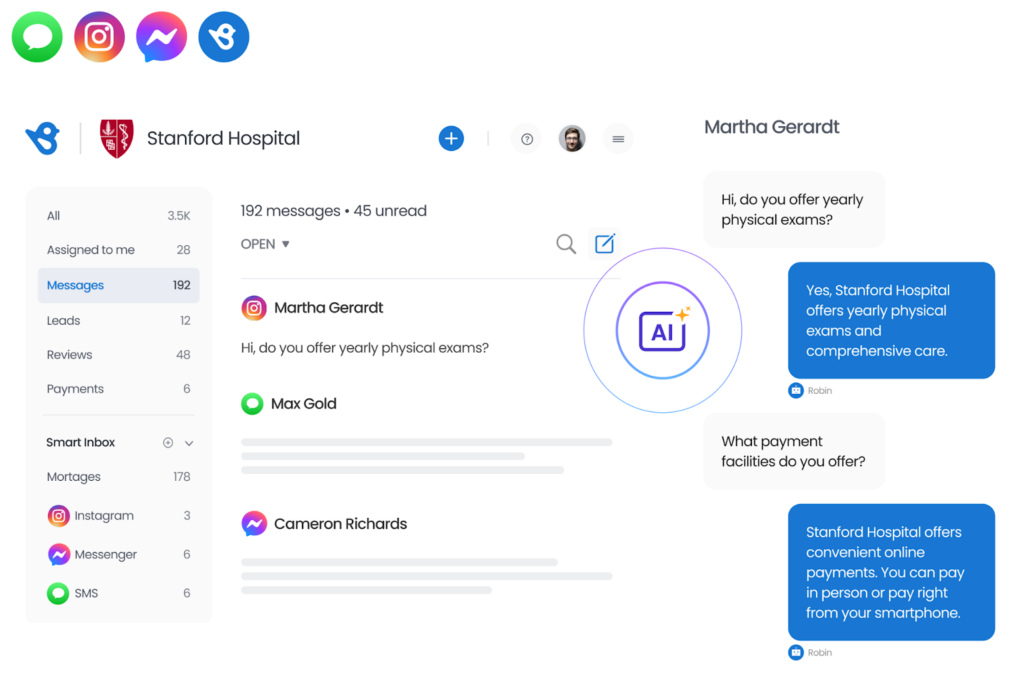
End-to-end encryption
HIPAA-compliant text messaging apps use end-to-end encryption to protect patient information during transmission and storage. This ensures that only authorized recipients can read messages, preventing interception or unauthorized access.
Secure access controls and authentication
HIPAA-compliant patient messaging platforms restrict access using secure logins, two-factor authentication, and role-based permissions. This limits PHI access to approved users and supports compliance across teams and locations.
Audit trails and message history
HIPAA secure text messaging solutions maintain detailed communication logs. These audit trails allow healthcare organizations to review, retain, and retrieve message histories when required for compliance or internal reviews.
Message management and device security
HIPAA-compliant texting software enables centralized message management, including secure deletion, recall capabilities, and remote data wipe if a device is lost or compromised.
HIPAA compliance support and safeguards
Most HIPAA-compliant texting platforms provide compliance-ready infrastructure, including administrative controls and support for HIPAA obligations. This helps healthcare organizations reduce risk while scaling patient communication.
5 HIPAA-compliant text messaging software to explore in 2026
Healthcare organizations evaluating HIPAA-compliant texting software should prioritize platforms built for healthcare workflows that support Business Associate Agreements (BAAs), and that offer enterprise-grade controls for privacy, governance, and scale. Below are five HIPAA-first platforms that meet those criteria in 2026.
A few leading HIPAA-compliant secure text messaging solutions to explore are:
- Birdeye
- TigerConnect
- Klara
- OhMD
- Luma Health
This section explores the features and services these solutions provide so you can make an informed decision. Let’s take a look.
1. Birdeye
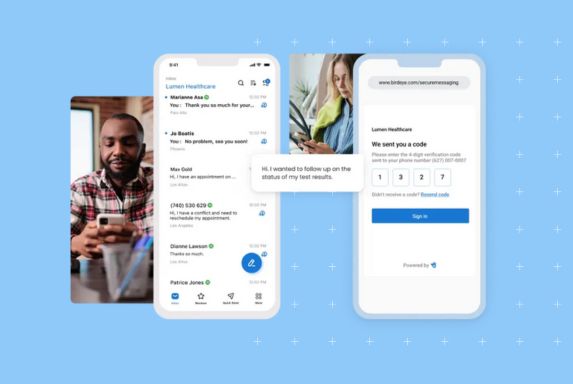
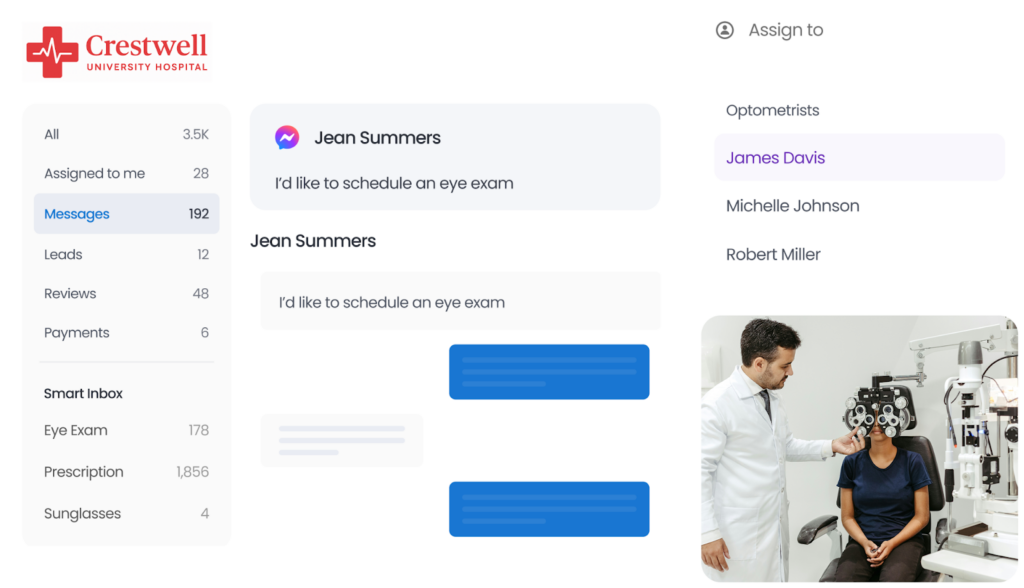
Birdeye provides HIPAA-compliant secure text messaging as part of an enterprise experience platform built for multi-location healthcare organizations. Patient conversations happen inside a secure, centralized inbox, helping teams communicate consistently while protecting PHI.
What makes Birdeye HIPAA compliant?
Birdeye Messaging AI is designed to support HIPAA requirements through encrypted communication, controlled user access, and centralized message management under a BAA.
What healthcare teams actually use it for
- HIPAA-compliant patient messaging and two-way texting
- Appointment reminders and follow-ups
- Secure intake and HIPAA-compliant forms
- Cross-team coordination from a unified inbox
Why Birdeye stands out in 2026
- Used by the biggest brands and locations globally
- Supports 3,000+ integrations, including healthcare systems
- Built for enterprise governance across locations
- Messaging performance tied to experience insights and reporting
Boost patient experience with secure and HIPAA-compliant Birdeye Messaging
Want to see the impact of Birdeye on your business? Watch the Free Demo Now.
2. TigerConnect
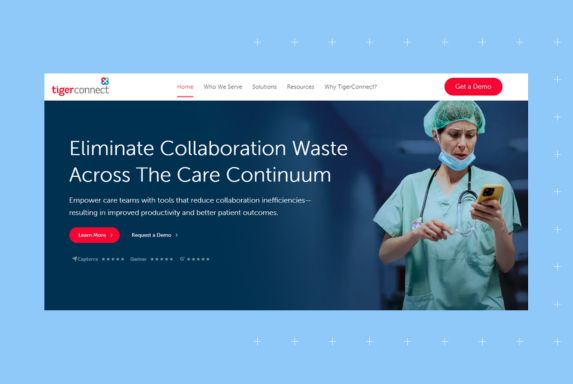
TigerConnect is a healthcare-native secure messaging platform commonly used for internal provider communication. It supports HIPAA-compliant secure text messaging with encryption and administrative safeguards.
Is TigerConnect HIPAA compliant?
Yes, with BAAs and healthcare-grade security controls.
Key strengths
- Encrypted messaging and file sharing
- Auto-delete and session controls
- Designed for provider-to-provider communication
TigerConnect is best for hospitals and health systems focused on clinical team messaging, not patient experience workflows.
3. Klara
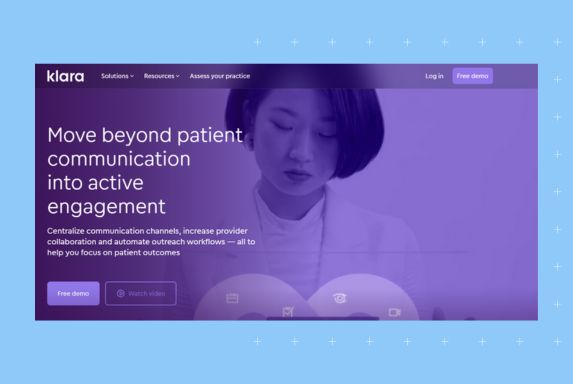
Klara focuses on HIPAA-compliant patient messaging tied closely to scheduling and front-desk workflows. It helps practices reduce no-shows and improve responsiveness using secure two-way texting.
What it does well
- Secure appointment reminders and cancellations
- Two-way patient texting through encrypted channels
- Integration with scheduling systems
- Multi-channel patient communication
Klara is best for practices prioritizing patient access and appointment efficiency through HIPAA-compliant text messaging apps.
4. OhMD
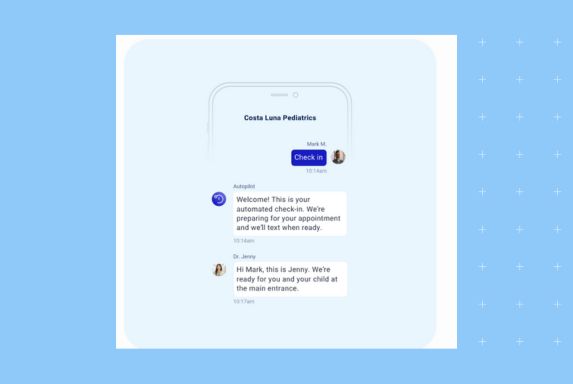
OhMD combines HIPAA-compliant secure text messaging with digital intake and virtual care tools. Messaging is often used for onboarding, follow-ups, and non-urgent patient communication.
Common use cases
- Secure patient texting
- Intake form collection
- Video visits and remote coordination
OhMD is best for healthcare teams modernizing intake and virtual front-door workflows with HIPAA-compliant patient messaging.
5. Luma Health
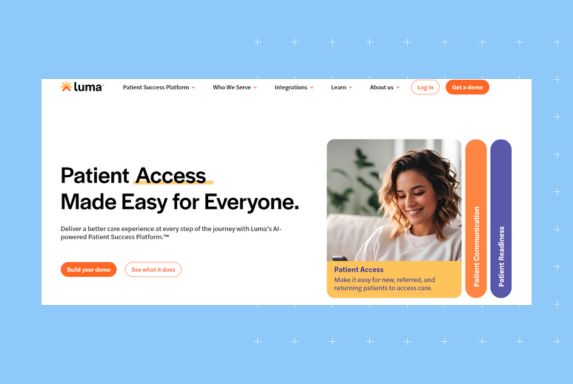
Luma Health includes HIPAA-compliant texting as part of a broader patient access and engagement platform. Secure messaging supports scheduling, referrals, and care coordination.
Why it’s included
- Encrypted patient communication
- Workflow-driven texting tied to access and referrals
- Designed for healthcare operations at scale
Luma Health is best for organizations focused on patient journey automation with HIPAA-secure text messaging built in.
Quick comparison snapshot
- Enterprise scale: Birdeye
- Clinical messaging: TigerConnect
- Scheduling and access: Klara
- Intake and virtual care: OhMD
- Patient journey workflows: Luma Health
Boost patient experience with HIPAA-compliant text messaging
HIPAA-compliant text messaging solutions empower healthcare practices to improve patient communication while ensuring patient privacy. Choosing the right solution can enhance patient satisfaction, increase efficiency, and foster trust within your practice.
Ensure the HIPAA-compliant tools you choose include end-to-end encryption, role-based user controls, file-sharing capabilities, digital form builders, automated workflows, and more. This helps businesses use a singular secure tool for patient communication needs and safeguards data from mishandling.
For teams managing conversations across multiple channels, a centralized messaging inbox, Birdeye Messaging can make it easier to keep patient interactions organized, accessible, and consistent.
FAQs on HIPAA-compliant texting
Any covered entity under HIPAA, including healthcare providers, health plans, and healthcare clearinghouses, must comply with HIPAA regulations when transmitting PHI electronically. This extends to their workforce, including doctors, nurses, administrative staff, and anyone who might access patient information.
Texting with a patient does not violate HIPAA if healthcare providers use a secure and HIPAA-compliant texting platform and obtain patient consent to communicate with them over that channel.
A HIPAA-compliant texting solution is a secure messaging platform that allows healthcare providers to exchange patient information while meeting HIPAA privacy and security requirements. These platforms protect PHI using encryption, access controls, and audit-ready communication records. HIPAA-compliant texting software is designed specifically for healthcare use, unlike standard consumer messaging tools.
No. Regular SMS texting is not considered HIPAA compliant. Standard SMS messages are not encrypted, cannot be reliably audited, and may be accessed on unsecured devices. Even if a patient consents to receiving messages, healthcare providers remain responsible for safeguarding PHI, which is why HIPAA-compliant, secure text messaging platforms are required.
HIPAA-compliant text messaging apps can be used to share patient information that supports care coordination and communication, as long as the platform is configured correctly.
Common examples include:
Appointment reminders and confirmations
Intake instructions and follow-up messages
Care coordination and non-urgent updates
Secure form links and documentation requests
Healthcare organizations should still apply internal policies to determine what information is appropriate to share via text
Birdeye Messaging AI supports HIPAA-compliant patient messaging by enabling secure, encrypted text communication within a centralized platform. Access controls, message management, and audit-ready workflows help healthcare teams communicate with patients while protecting PHI.
Birdeye also supports HIPAA-compliant forms, unified inbox management, and enterprise governance across locations, making it easier for healthcare organizations to scale secure patient communication without relying on unsecured SMS.
HIPAA-compliant texting helps reduce no-shows by making patient communication faster, clearer, and easier to act on. Secure appointment reminders, confirmations, and follow-ups delivered through HIPAA-compliant secure text messaging platforms improve response rates without compromising privacy.
For multi-location healthcare organizations, automated and compliant patient messaging ensures reminders are consistent, timely, and centrally managed across teams.
Level up HIPAA-compliant patient messaging with Birdeye
HIPAA-compliant texting has become essential for healthcare organizations seeking to improve the patient experience without compromising privacy. As part of a broader HIPAA-compliant marketing automation approach, secure text messaging enables healthcare organizations to coordinate reminders, intake, follow-ups, and patient engagement without risking PHI.
Birdeye enables healthcare teams to deliver HIPAA-compliant, secure text messaging at enterprise scale through a centralized inbox, compliant forms, and governance-ready workflows.
For multi-location healthcare organizations, this makes it easier to protect PHI, streamline patient communication, and maintain trust as patient expectations continue to rise in 2026.
HIPAA compliance disclaimer: HIPAA compliance depends on proper platform configuration, internal policies, and signed Business Associate Agreements (BAAs). The information provided in this guide is for educational purposes only and does not constitute legal advice. Healthcare organizations should consult their compliance or legal teams to determine whether a specific texting solution meets their HIPAA requirements.

About the Author

Shruti Dugar
Birdeye
Originally published