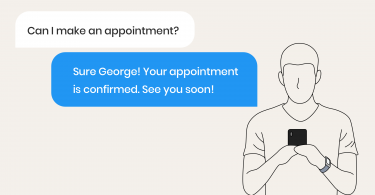
Video chat for customer service allows brands to connect with customers face-to-face through digital channels, helping resolve issues faster while delivering a more personalized and interactive support experience.
Summary
Video chat gives brands a more personal way to support customers, especially when an issue is easier to explain face to face. It helps teams continue conversations across channels, reduce friction in the support journey, and create a more seamless customer experience. Birdeye supports this approach with Messaging AI Agents that work across web, social, email, and text, a unified inbox for organizing conversations by customer and channel, contact management tools for more personalized communication, and reporting that tracks active conversations and response times.
In this blog, you’ll learn why video chat is valuable for customer service, how different industries use it, and how Birdeye helps multi-location brands deliver connected customer communication at scale.
Why is video chat great for customer service?
Having an open line of communication between businesses and their customers is a key component of delivering a fantastic customer experience. Video chat equips businesses with one more tool to help them achieve clear customer communications. Here are some more benefits of video calls for customer service.
Convert web visitors into leads
Want to see the impact of Birdeye on your business? Watch the Free Demo Now.
Omnichannel communication
Consumers have a growing need for businesses to deliver an omnichannel customer experience. Omnichannel customer service gives customers all of their brand interactions in one place.
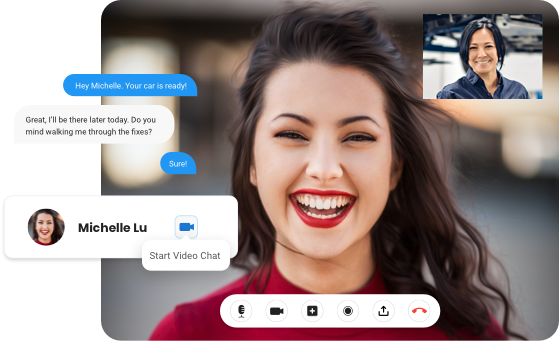
For example, if a customer is having an issue, they could start to solve it by seeking help through a livechat. If they cannot resolve the problem through livechat, then they could get on a call with a customer service representative with the click of a button. If the call isn’t able to solve the issue, they could switch to a video chat. Records of all chats, voice, and video calls would be kept in one conversation history between the customer and the representative.
When your business has omnichannel communications, you increase efficiency for your employees and the customer. When a business has the option of a video call for customer service, it reduces the customer drop-off rate by up to 70%. Fewer customers give up partway through the customer service cycle, helping them get the answers they need. Video calls for customer service help your business deliver omnichannel support to help your business run more efficiently.
Solve problems quickly, face to face
Sometimes the best way to solve an issue is by seeing someone face to face. This helps for a few reasons. First, it is easier to understand a customer’s intent when you can hear the person’s voice and read their body language. A customer’s message over text can mistakenly be interpreted with a negative tone. Being able to look a customer in the eyes and read their facial expressions helps significantly in understanding their meaning.
Customers have an easier time explaining their concerns when they have the ability to use hand gestures or visually demonstrate what they are speaking of. Video chat helps both parties understand each other better to reach solutions quickly and efficiently.
Answer customer’s main concern
Video chat eases customers’ main concern: not being able to speak to a live person. Many customers become frustrated when they can’t reach a live person to handle their customer service needs. Sometimes customers will call a phone number and need to wait on hold for a long time before they are connected to a real person.
Other times, people have experienced high employee turnover. They keep being passed along to different departments over the same issue. Video chat is an easy way to assure the customer that they are being listened to by a human being. Speaking to customers face to face assures them that your business wants them to have the best customer service experience.
Create interactive, personalized experiences
Consumers are seeking personalized experiences with businesses more than ever, and nothing feels more personal than speaking face to face. In a video call, the customer service representative is able to easily learn the customer’s name, answer any questions, and go forward with a conversation.
It is easier to understand the individual customer when you can see their face and emulate a real-life experience. Video chat helps customer service representatives create an interactive, personalized experience, making customers feel important and valued.
How do different industries use video chat?
Here are some examples of how video chat can be used successfully by various industries to provide excellent customer service.
Automotive
The untrained eye cannot always tell when car troubles are an easy fix, or a professional multi-day job. In these situations, auto repair shops could set up video chat appointments to help their customers identify the issue. They could see if the issue could be solved by the customer, or if the car needs to be brought into the shop for repairs. This saves the customer time, boosting customer satisfaction. It also helps auto repair technicians to focus on cars that need more detailed work done.
Healthcare
Many doctors are not actively seeing patients during COVID-19. Dermatologists, psychologists, and even some primary care doctors are switching to virtual appointments through video chat. There are issues that do not always require an in-person meeting with a doctor, like allergies or headaches. Instead doctors can speak with their patients virtually about symptoms and prescribe them the medication they need. The convenience of these appointments will likely make video calls a more popular choice in the future as well.
Home services
When customers need their roof repaired, their HVAC ventilation system cleaned out, or a window replaced, nothing can substitute an in-person appointment. However, video chat can be used to show the technician what exactly needs repair. This way, the technician has a better idea of what tools and parts are needed. They can also assess how long the job will take, and even give the customer a price estimate.
Legal
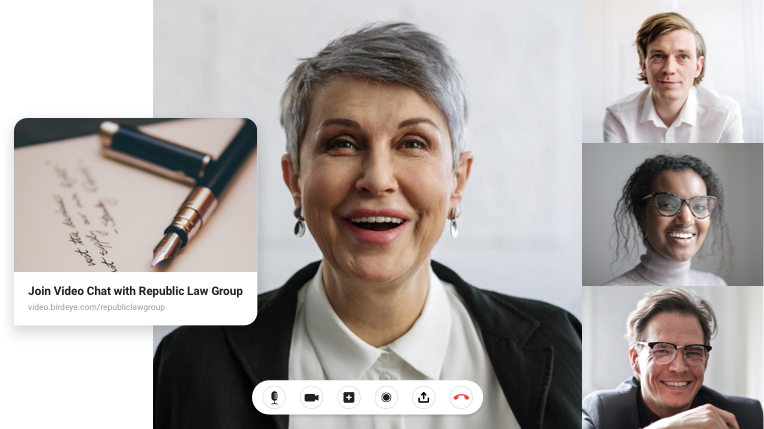
Legal professionals are using video chat to conduct virtual depositions and keep in contact with their clients. Depending on the case, clients may want to speak with their lawyers often. Video chat makes this possible and convenient for both parties.
Real estate
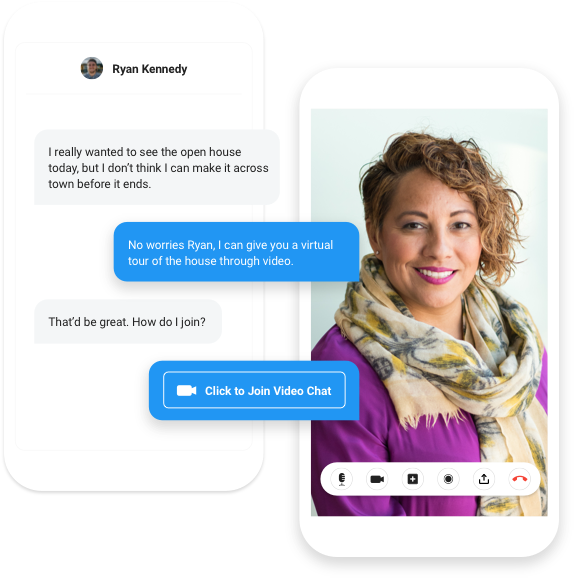
During these uncertain times many people are uncomfortable with leaving their homes unless it is an absolute necessity. This presents an obstacle for real estate agents to provide the same high level of customer service. However, with video chat, real estate agents can give clients a virtual tour of the property, answer questions they may have, and move forward with closing a deal.
Financial services
When customers want to sort their taxes or seek financial advice, they typically make an in-person appointment with their financial advisor. Luckily this interaction can easily be moved to a video chat. Financial services are using video chat to keep their appointments and offer a face to face interaction with their members, from the comfort of their own home. Banks have started to use video chat for customer service in order to help their members solve issues quickly.
In all of these examples, industries are able to utilize video chat to seamlessly communicate with their customers, clients, and patients. This provides a fantastic customer service experience and increases efficiency for the business and its customers.

FAQs about video chat for customer service
Video chat for customer service allows brands to connect with customers through real-time video calls to help resolve issues, provide product demonstrations, or offer personalized support.
Video chat allows brands to communicate face-to-face with customers, making it easier to understand issues, build trust, and resolve problems faster than text-based communication alone.
Video chat can reduce customer frustration, improve communication clarity, speed up issue resolution, and create more personalized customer experiences.
Yes. Video chat can complement other support channels like messaging, phone calls, and email, allowing brands to seamlessly move conversations between channels while maintaining the conversation history.
Brands can use unified communication platforms, like Birdeye, that centralize conversations from messaging, chat, email, and other channels into a single inbox so teams can respond faster and maintain complete visibility into customer interactions.
How Birdeye helps multi-location brands deliver better customer communication
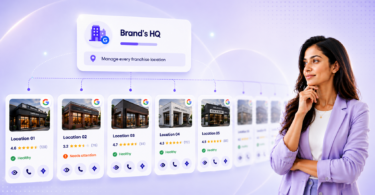
Customer conversations rarely happen on a single channel anymore. Customers may reach out through text messages, website chat, social media, email, or reviews before escalating to voice or video conversations. Managing these interactions across different tools can slow response times and create disconnected customer experiences.
Birdeye is the #1 Agentic Marketing Platform for multi-location brands that brings customer conversations, contact information, and reporting insights into one place so brands can respond faster and deliver consistent customer experiences.
Here are some of the key capabilities that make it easier for brands to provide seamless customer service.
1. Lead Generation Agent: capture and qualify conversations automatically
The Lead Generation Agent activates whenever a new message arrives from web chat, social media, or text. It analyzes the customer’s intent, starts a contextual conversation, and captures important lead details such as name and contact information. This ensures brands never miss an opportunity to engage with a potential customer.
2. Unified Omnichannel Messaging: manage every conversation from one inbox
Birdeye’s Smart Inbox organizes customer conversations by channel and customer profile. Messages from web chat, text, social media, email, and other channels appear in one place so teams can respond faster and stay organized. Teams can also add internal notes, flag conversations that need attention, and collaborate with colleagues directly within the inbox.
3. Contact Segmentation Agent: personalize every interaction
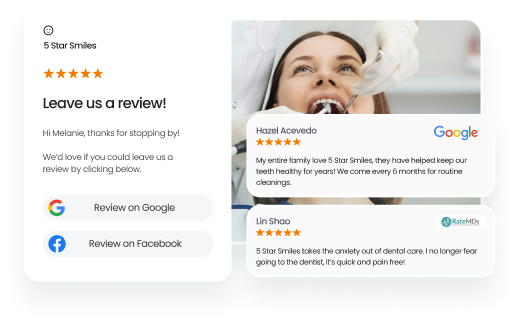
The Contact Segmentation Agent automatically builds and updates customer segments using real-time data. This allows brands to tailor their messaging and campaigns to the right audience without manually creating contact lists. With integrated CRM connections and automated workflows, teams can trigger follow-ups, appointment reminders, review requests, and other messages at the right moment.
4. Messaging Reports: track performance and improve customer experience
Birdeye’s Messaging Reports provide insights into key metrics such as message volume, response times, and active conversations across locations and employees. Brands can monitor customer engagement trends, identify opportunities to improve response speed, and ensure a consistent customer experience across all locations.
By combining AI-powered messaging, unified conversations, and video chat, Birdeye helps enterprises deliver faster, more personalized customer support while keeping every interaction organized in one place.
Watch the free demo to see Birdeye in action.

About the Author

Birdeye Staff Writer
Originally published