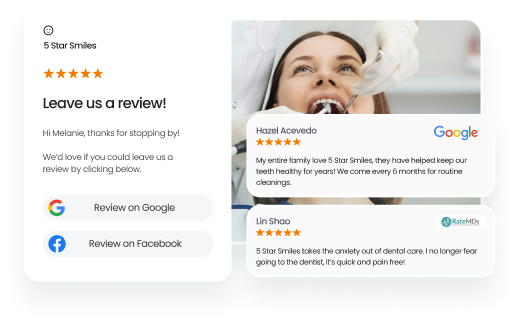
According to industry analysts, people are four times more likely to purchase when referred by a friend. From referral cards to social media plugs online, a referral program is the golden egg for businesses.
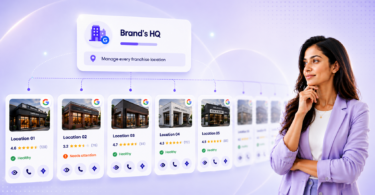
For multi-location brands, referral marketing isn’t just about handing out cards; it’s about creating a governed system that turns customer satisfaction into a predictable revenue driver. To thrive in the AI era, brands must move beyond manual tactics and deploy a full-cycle platform that automates referral generation across every location.
And if you are wondering how to do that, this blog post explores everything you need to know about referral card ideas and creating referral cards for your business.
Table of contents
What are referral cards?
Referral cars are similar to business cards your customers can carry around if they want to talk about your business to friends and family. They talk about incentives like cash, discounts, free services, or gift cards. Based on your choice of marketing channels, referral cards can be physical or digital.
People love to share their experiences about businesses with others, good and bad. And businesses today are capitalizing on that need to share by incorporating rewards programs and referral cards.
Leveraging referral cards also promotes brand awareness. The more people see your business’ branding and hear of positive experiences, the more likely they are to patronize and recommend the business.
Referral cards are an effective tool that allows your company to capitalize on great customer service experiences and drive new business.
How do referral cards work?
Referral cards are quite simplistic in their function. All you have to do is ensure that your customers can share them easily via physical or digital mediums.
You can hand out referral cards
- After a customer has made a purchase
- Shared a positive review
- Visited your store
- As part of your mass lead generation campaigns such as flyer distribution, mail campaigns, and so on.
The referral card carries your business name and a description of the incentive the customer can claim if they share the business with a friend or family member.
The incentive motivates your existing customers to share these cards with people they know, especially if they like the product or service.
How to make a referral card?
While physical cards have their place, sophisticated multi-location brands use local intelligence to make their referral programs smarter. By leveraging a unified CDP, you can identify your most loyal customers—those with high sentiment and repeat purchase history—and trigger automated, personalized referral invites via the Referral Agent at the exact moment they are most likely to advocate for your brand.
On your referral card:
- Share the details of your business so customers know about your products during the referral process. Always make sure to include your contact details.
- Offer a brief description of your program. Share what the existing customer and the prospective customer gets when they use the referral card.
Most importantly, keep it simple and make it easy for your customers to participate.
You don’t want your referral program to be complicated or hard to take advantage of.
Read on to find some of the best referral card examples below. Use these as inspiration to develop your own and come up with rewarding referral card ideas.
8 best referral card ideas for your business
Referral business cards
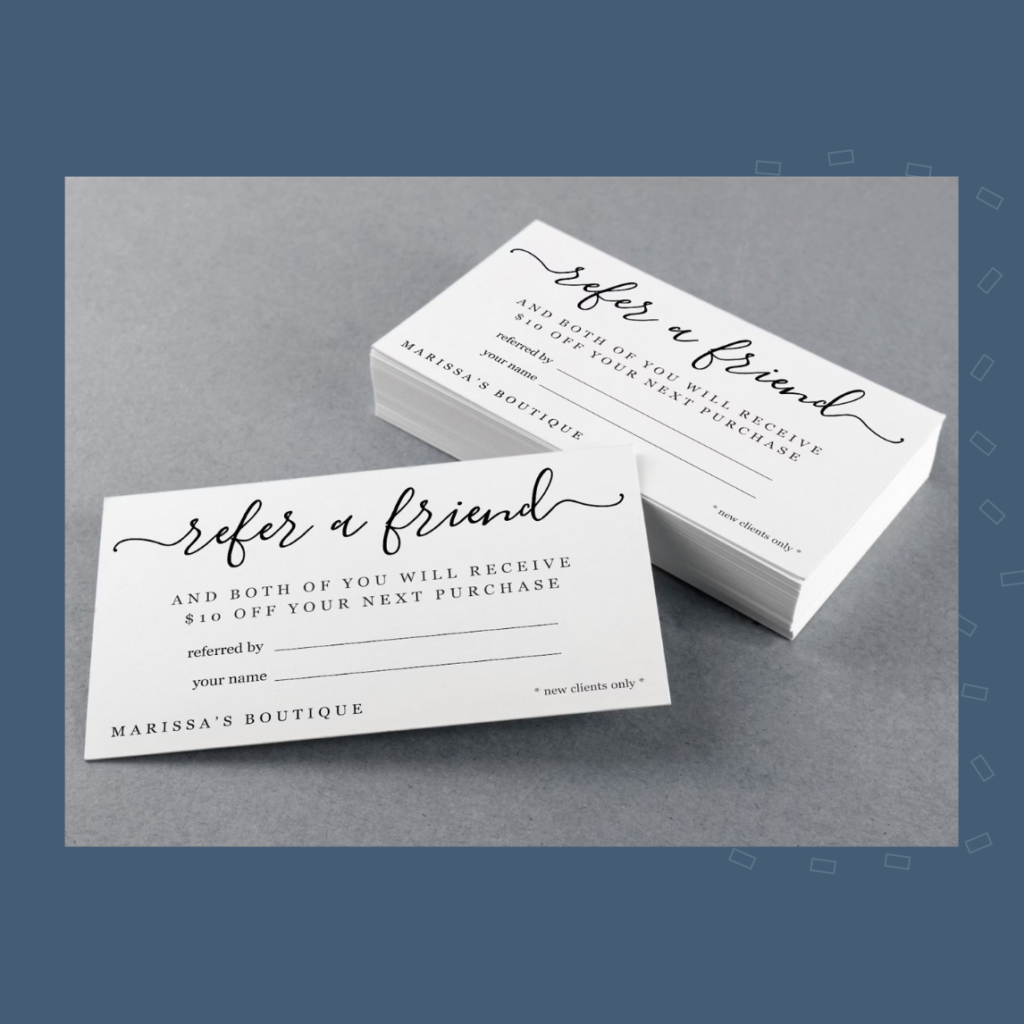
Business cards usually get tossed in a drawer, or worse, directly into the recycle bin. But a referral business card is another matter entirely. When you assign new value to your traditional company business cards by making them referral cards, you incentivize customers to hold on to them.
Business cards turned into referral cards serve two purposes.
- They share your business information with your customers.
- They offer an incentive for referring a friend.
The front of the card works best for relevant business information, while the back of the card can outline the details of the referral program.
Referral postcards
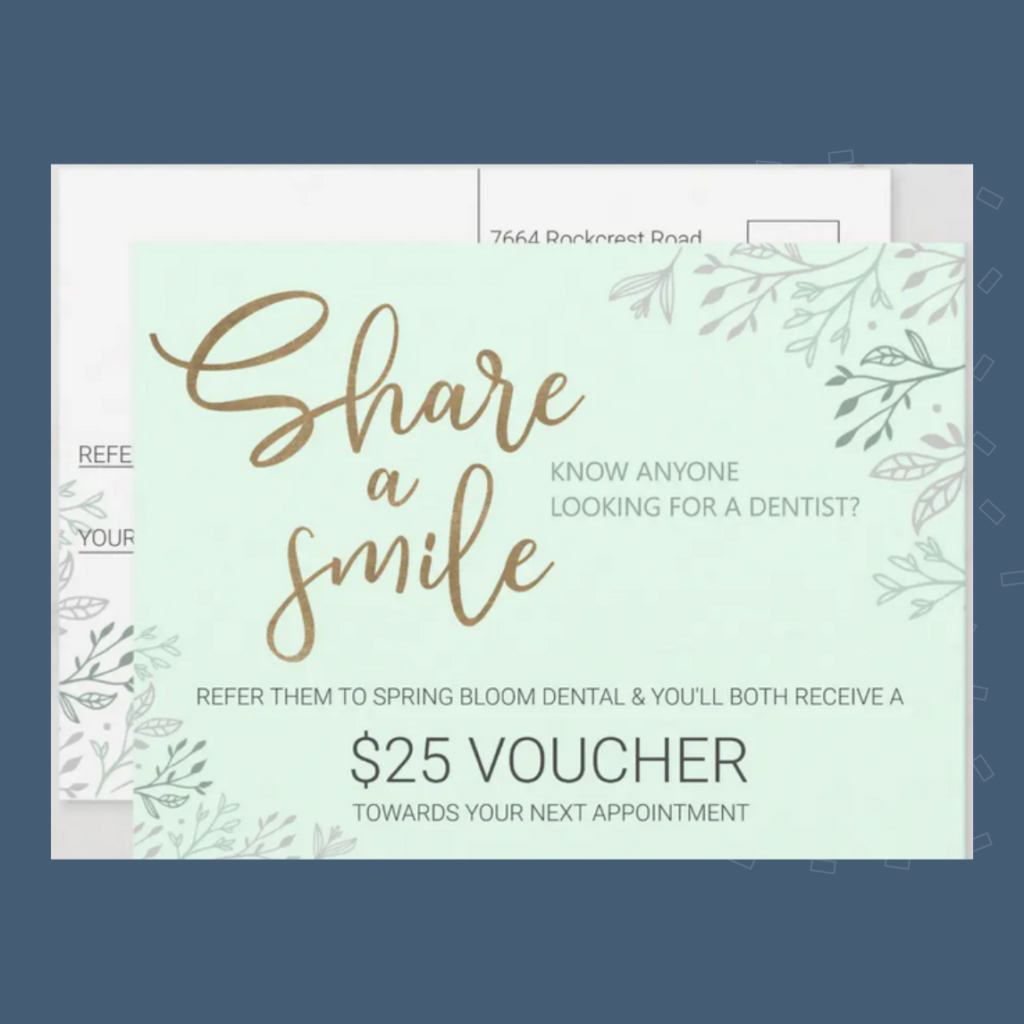
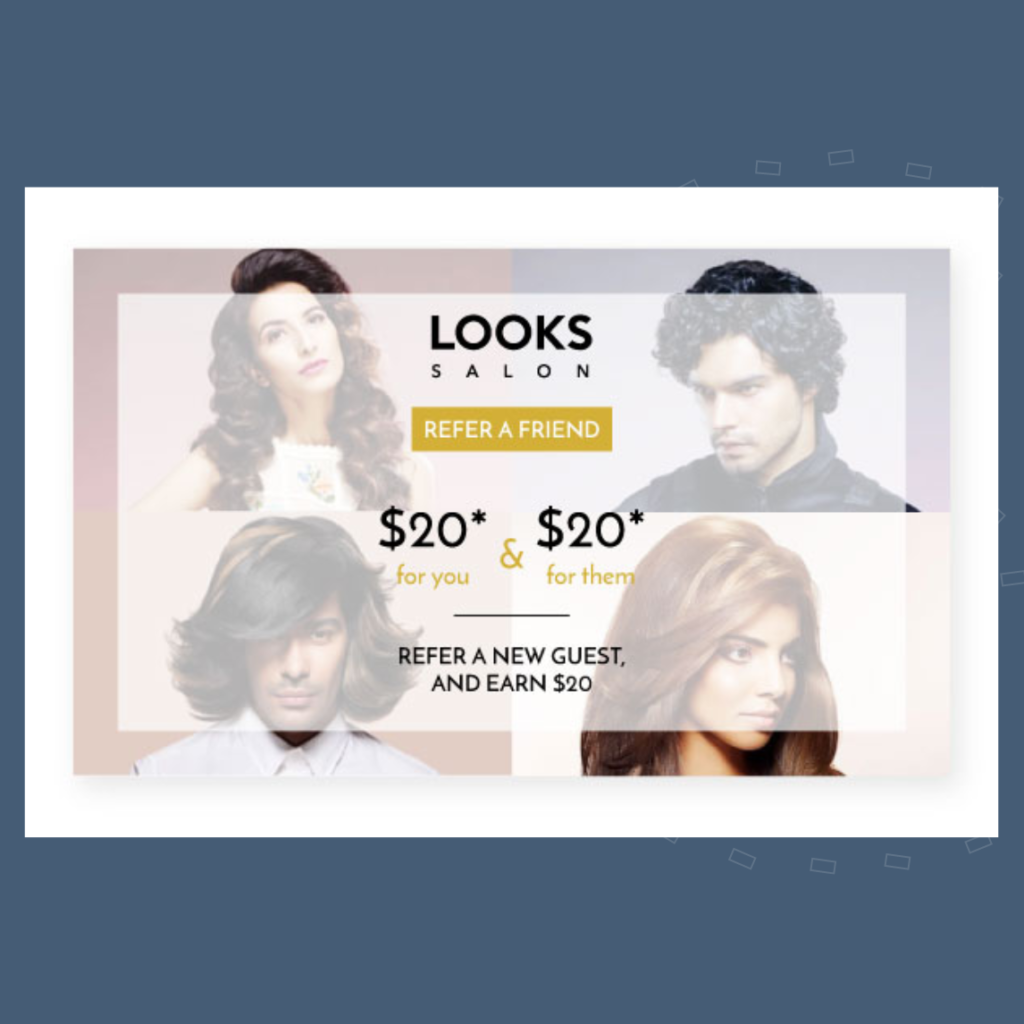
Postcards are great tools for sharing your referral program as they can be used in multiple ways. You can send them to your customers via postal mail or hand them out at your store with purchases.
Referral postcards work best when they prominently display the discounts so customers can instantly spot the value in the referral program. Be sure to create an eye-catching, recognizable design with an attractive offer.
Referral newsletters
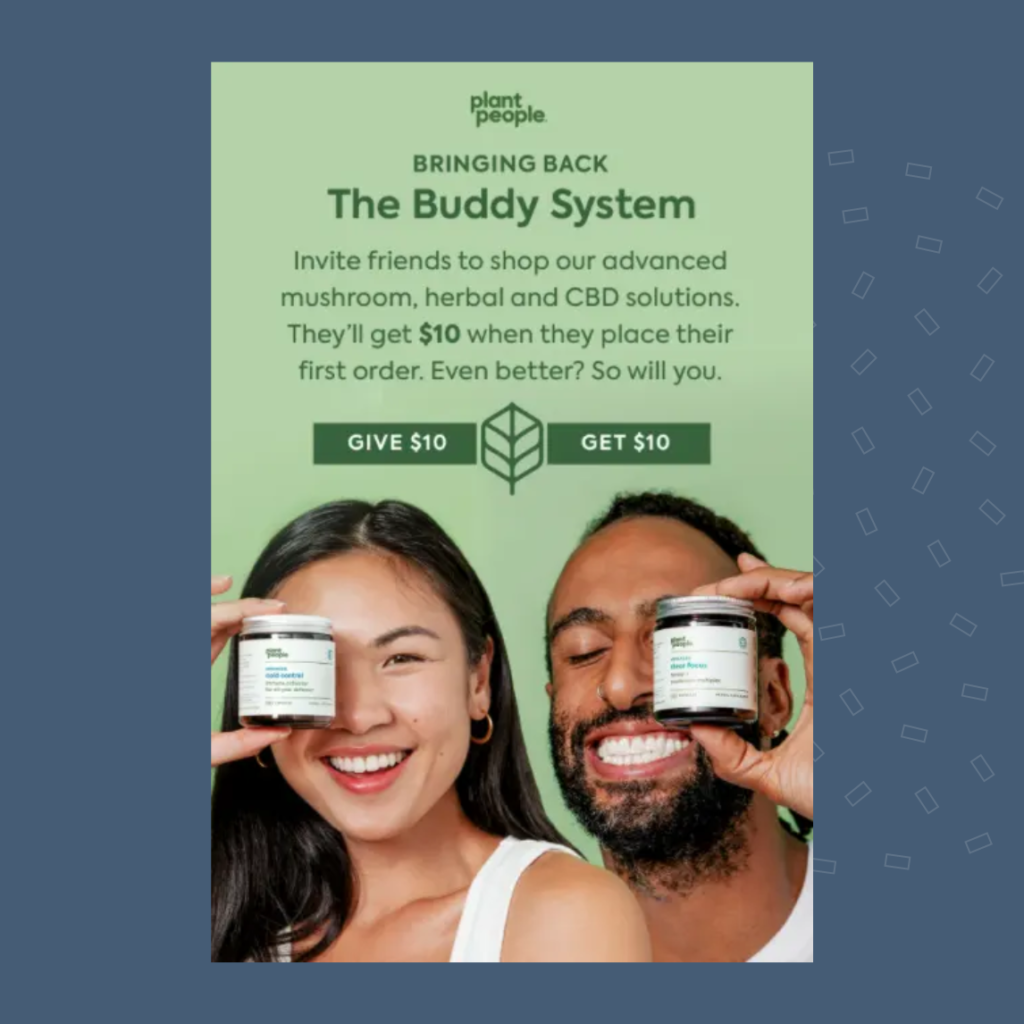
Most businesses have an email newsletter program to share company updates, promotions, new products, and engage with your customers.
You can leverage them to promote your referral program, too. Instead of generic mass blasts, use marketing agents to optimize your referral outreach. Birdeye’s agents act as a governed extension of your team, continuously A/B testing subject lines, timing, and incentives to ensure your referral newsletters drive the highest possible conversion for every rooftop in your portfolio.
With referral cards in newsletters, you can also generate new business from otherwise dormant customers by offering them discounts with referrals. The prospect of a discount can motivate them to buy from you again.
Referral newsletters must be:
- Succinct and on topic. Don’t crowd them with other content, links, or product offers.
- Use a clearly marked call to action button where people can click to join. Include the link in the body of your text once or twice so users who don’t read to the end can sign up right away.
- Have easy to download referral cards that people can send to their friends and family.
Referral coupons
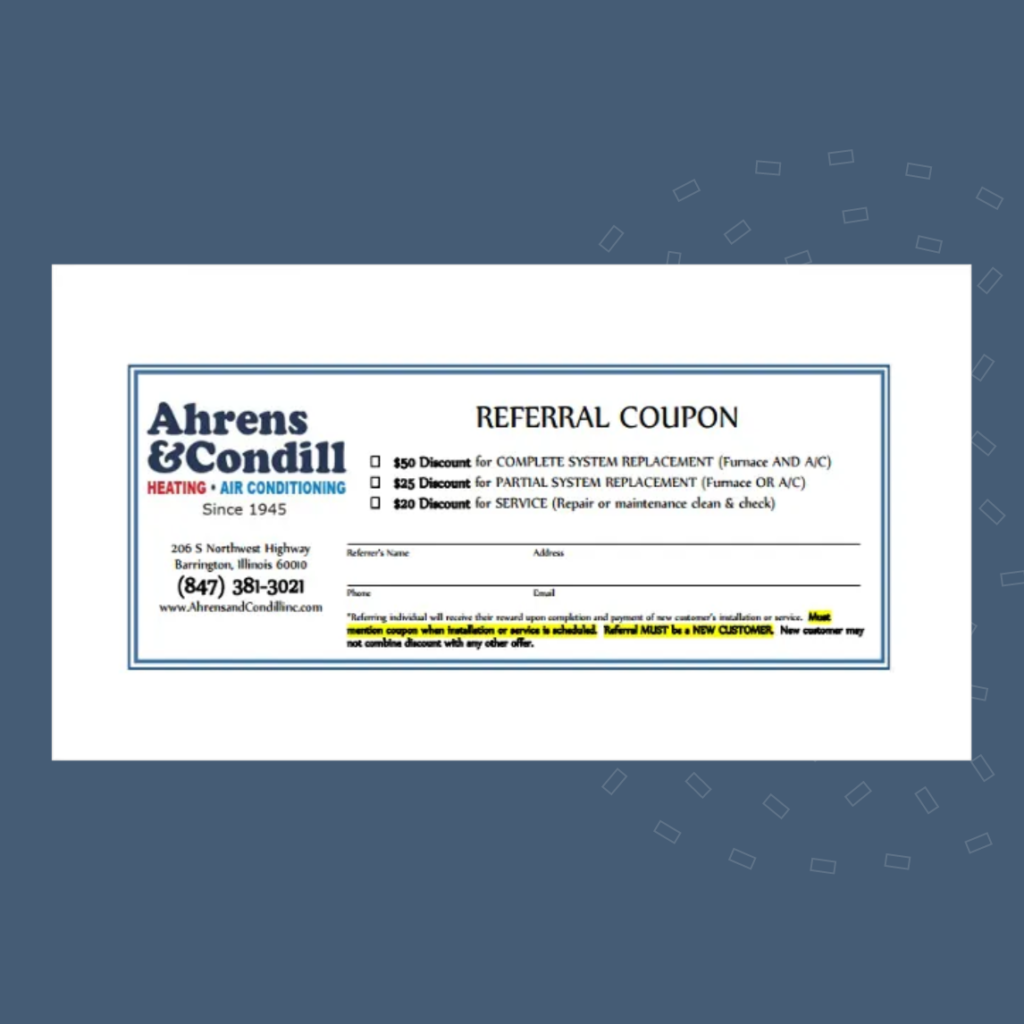
The goal of a good, old-fashioned coupon is to incentivize a purchase with a discount. And that works in referrals too.
With these, customers receive additional discounts in the form of cash bonuses, a free gift card, and so on. Referral coupons are easy to implement in your business as you can ask your customers to bring them with their person. You don’t need additional technology to use coupons but they are prone to fraud.
Employee referral card
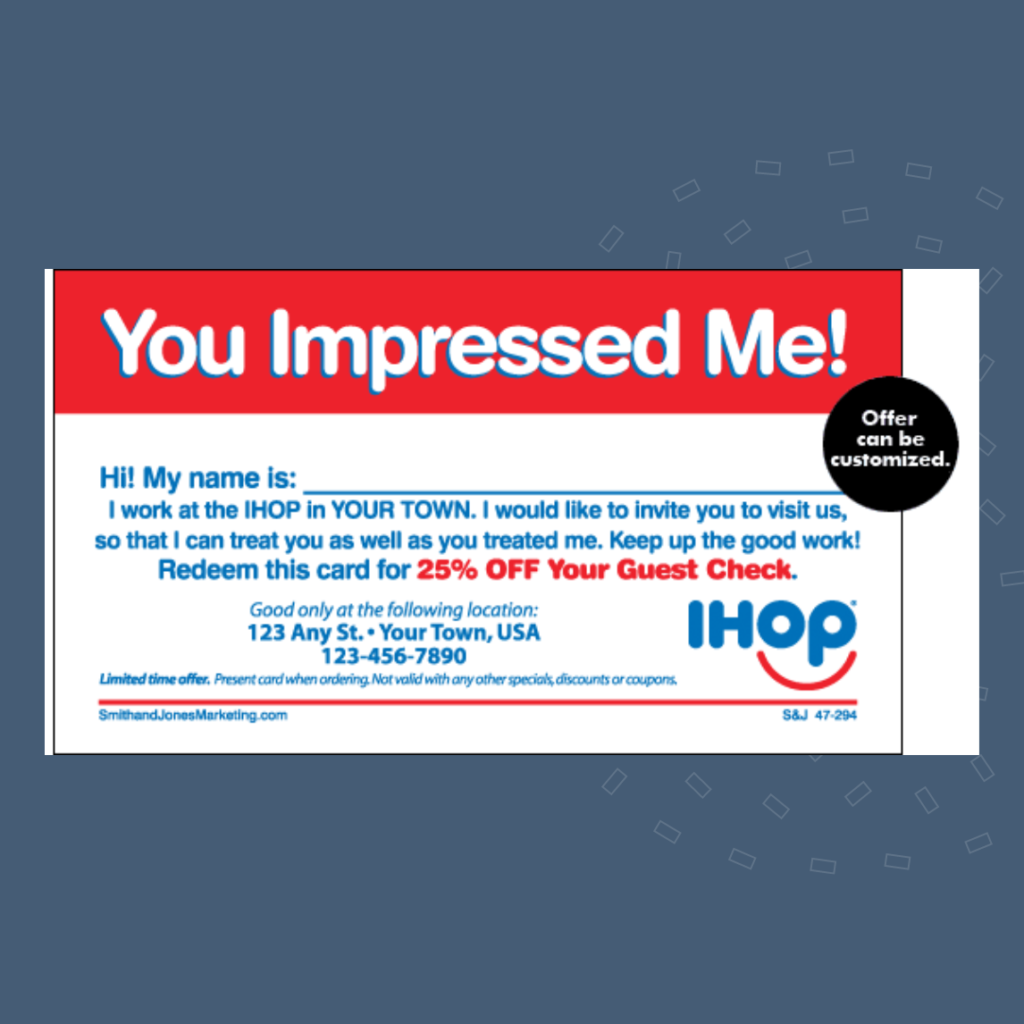
Incentivize your employees with employee referral cards and programs to tap into employee brand loyalty and grow your business. By offering a bonus to your employees for referring their friends and family, you can leverage your vast employee base and turn them into brand ambassadors.
Employees feel valuable to the company and the business grows, it’s a win-win all around. Also, employee referrals are often more trustworthy, as people feel they know the company well enough to recommend them.
Referral QR codes
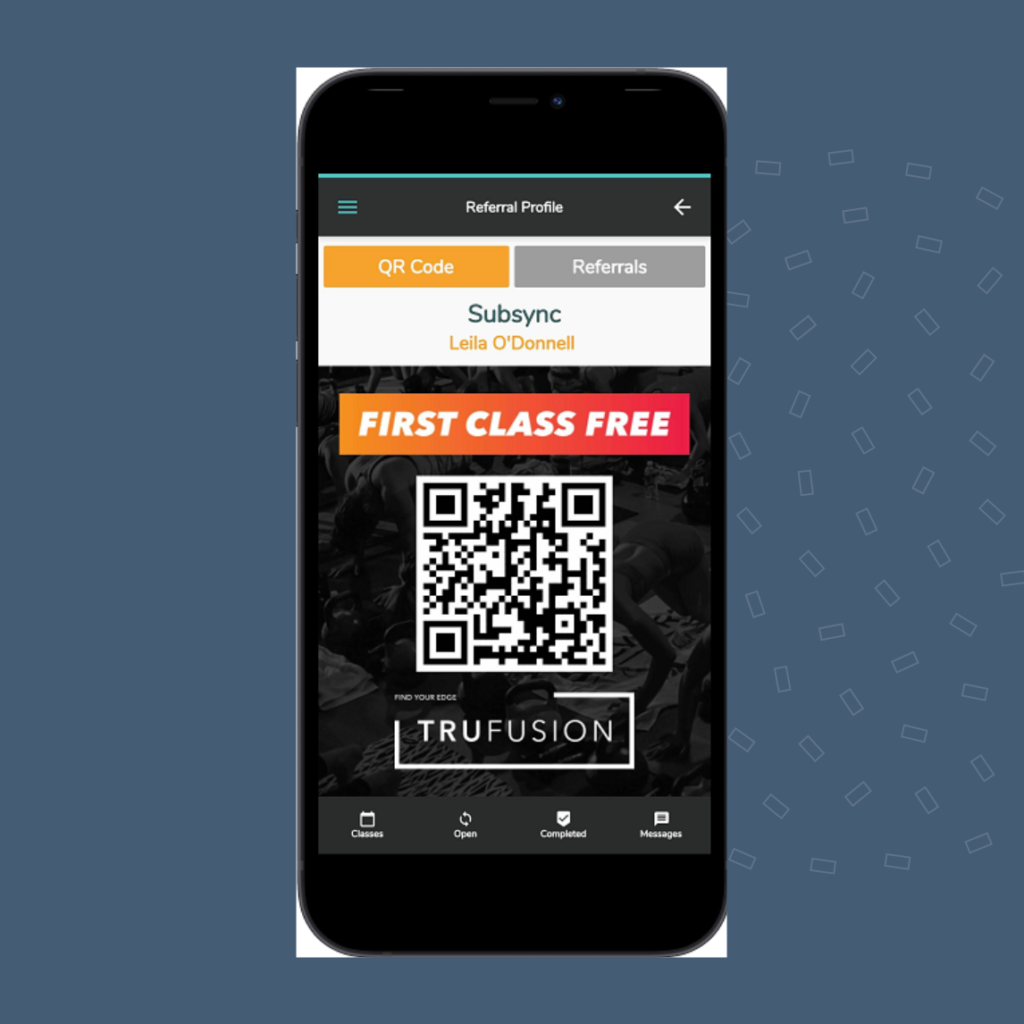
QR codes bridge the gap between physical interactions and your digital marketing flywheel. When a customer scans a code at a local storefront, Birdeye’s full-cycle agentic marketing platform instantly captures that lead and feeds it into your local intelligence layer, ensuring your brand stays top-of-mind through automated follow-ups and personalized engagement.
QR codes for referrals can be implemented in a variety of creative ways.
For example, you can have your customer send their referral QR code to a friend. Or you can use a QR code on business cards, postcards, or emails to direct your customers to specific websites. They can then purchase at a discount or fill out an online referral form.
By customizing the QR code for each customer with an online tool, you can also track where the referral came from.
Related read: Grow your business with referral tracking
Online referral forms
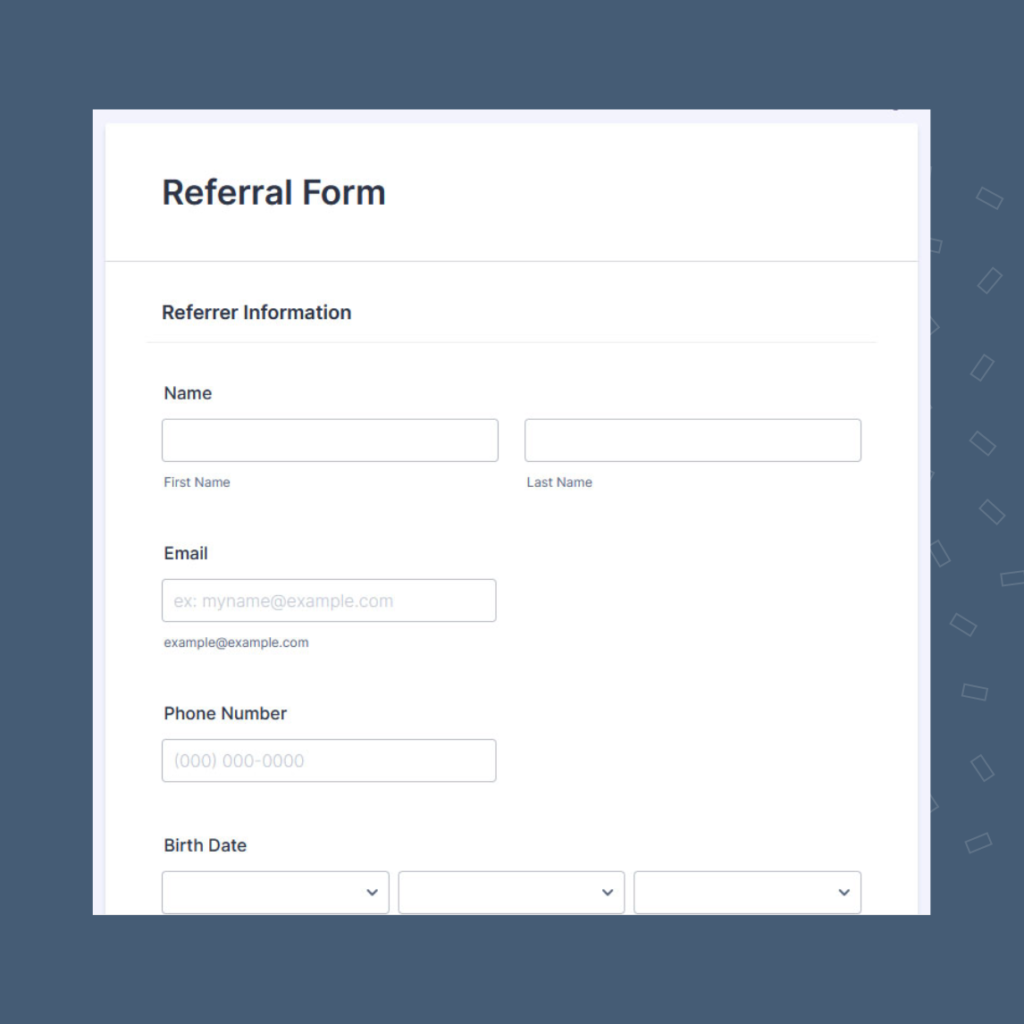
Online referral forms are usually used in tandem with other types of referral cards mentioned here. You can directly send customers to your referral forms from anywhere, including from your business cards, postcards, flyers, QR codes, and newsletters.
Starbucks uses one for its Rewards Program, where regular customers can sign up to earn free food and coffee. The idea is to send your customers to a specific landing page where they can complete an opt-in form to get credit for the people they’re referring to your business. Those credits can then be applied toward their own purchases, resulting in discounts and free coffee.
Referral flyers
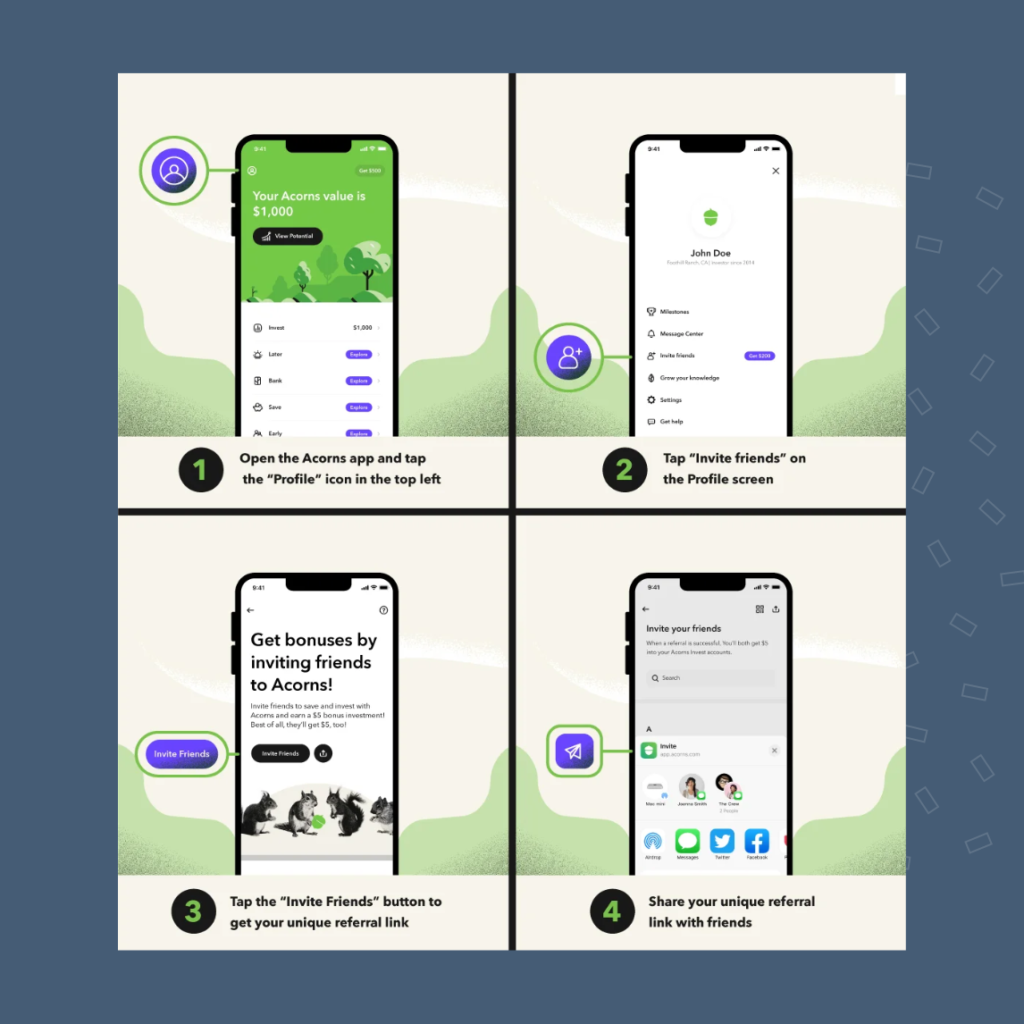
Flyers or posters serve the same function as referral business cards and postcards. They are displayed in public places and give people other than your customers the opportunity to join your referral program.
This Acorns example demonstrates how companies can use referral flyers to promote their business.
With this referral card type, you can prompt your audience to go to a web address to learn more about your program or fill out an online form with a well-designed brochure, high-profile poster, or brilliant handouts.
You can hand out flyers, display them inside your store or at a particular high footfall public space to generate interest in your program.
FAQs about referral cards
Yes, credit card referrals can be beneficial, especially when you can introduce customer cash back and custom savings, like Gap Rewards. Benefits for customers include points, cash-back, or miles.
Consider including a message like “refer a friend and earn $X” or “tell your friends about our product and get rewards.” Make the incentive prominent and visible.
Referral programs inspire word-of-mouth promotion for your business. They include incentives for the customer for sending more customers your way.
Reward customers for referrals with cash, gift cards, discounts, or even free products or services. The more attractive your reward, the more likely customers are to share within their networks.
This will depend on your business niche and customer profile. All businesses should consider asking their customers for referrals and test the most promising opportunities to land on the best method.
Conclusion
Every enterprise brand wants its products and services to spread through word of mouth. It’s often said to be the best form of advertising because it’s free, but it can be hard to make it happen without precedent. Today’s businesses can use the right referral card ideas and strategies to engineer word of mouth.
Referral cards for business can do the heavy lifting for you, especially if a high margin is built into your products and services.
For multi-location brands, winning the referral game requires more than just good ideas. It requires an agentic marketing platform. By consolidating your referral signals into Birdeye, you empower your team to consolidate, think, and act on customer advocacy at scale. Move beyond manual work and turn your loyal customer base into an autonomous growth engine that protects your brand and drives revenue across every location.
Book a demo today!

About the Author

Ruchika Batra
Originally published