UK payroll compliance updates are the annual changes to wage floors and employer contributions that raise staffing costs and require businesses to update pay, budgeting, and reporting.
Summary
In April 2025, HM Revenue and Customs rolled out major updates that affect what you pay people and what you pay on top of wages. The National Living Wage increased from 1 April 2025 (for example, £12.21/hour for age 21+), and employer National Insurance costs increased from 6 April 2025, including a higher employer NIC rate and a lower earnings threshold where it starts to apply. These shifts can squeeze margins fast, so businesses need tighter planning, smarter operations, and stronger customer acquisition to stay ahead. Birdeye helps you maintain an accurate, trusted online presence, so you can win more customers even as costs rise.
This blog covers what changed in April 2025 and how it impacts business costs, payroll, and planning. Then we will explore practical steps to stay compliant, protect margins, and keep growth moving through the year.
Table of contents
Understanding the changes
With rising wages and increased tax obligations, UK businesses must adapt to ensure financial stability. Therefore, understanding the full scope of these adjustments is crucial for effective business planning and compliance.
1. National Minimum Wage (NMW) increase:
The UK Government reviews minimum wage rates annually based on the Low Pay Commission (LPC) recommendations. This independent body assesses factors like inflation, economic conditions, and business impact. Following the latest review, the government has announced a substantial wage increase for 2025.
- From 1 April 2025, the National Living Wage (NLW) for employees aged 21 and over will rise by 6.7%, from £11.44 to £12.21 per hour.
- For 18 to 20-year-olds, the NMW will increase by 16%, from £8.60 to £10.00 per hour.
- Under 18s and apprentices will see an 18% rise, with hourly pay increasing from £6.40 to £7.55.
Updated National Minimum Wage increase UK rates changes
| Wage band | Current rate (2024) | New rate (From 1 April 2025) | % Increase |
| Age 21 or over (NLW) | £11.44 | £12.21 | 6.7% |
| Age 18 to 20 | £8.60 | £10.00 | 16% |
| Under 18 | £6.40 | £7.55 | 18% |
| Apprentice | £6.40 | £7.55 | 18% |
2. Employer National Insurance increase 2025:
Employer’s NICs are a payroll tax paid by businesses, separate from the deductions employees make from their wages. This year, the UK NI changes 2025 introduce major changes that will significantly impact business expenses:
- The employer NIC rate will increase by 1.2%, from 13.8% to 15%. This means businesses will pay a higher tax on employee wages.
- The secondary threshold—the earnings level at which employers start paying NICs has decreased substantially from £9,100 to £5,000 per year. This means employers will pay NICs on a larger portion of employee salaries.
Employer National Insurance increase 2025 rate changes
| NIC component | Previous rate (2024/25) | New rate (2025/26) |
| Employer NIC Rate | 13.8% | 15% |
| Secondary Threshold | £9,100 per year | £5,000 per year |
The impact on business budgets
The rise in wages and National Insurance increase 2025 will lead to higher labour costs, particularly for industries that rely on lower wage workers, such as retail, hospitality, and care services. Hence, businesses must adjust their financial strategies to maintain profitability.
Here’s how these changes could impact operations.
- Increased prices: To offset higher payroll expenses, businesses may need to raise prices on products and services.
- Reduced staff hours: Some employers may cut employee hours or shift to more part-time roles to control costs.
- Hiring freezes or job reductions: To manage rising labor costs, businesses may pause hiring or reduce staff numbers.
- Operational efficiency improvements: Businesses will automate tasks, optimise workflows, or invest in technology to reduce reliance on manual labour.
The challenge for multi-location businesses
For businesses operating across multiple locations, the UK tax changes April 2025 pose an even greater challenge, as rising labour costs and increased overheads multiply across different sites.
- Higher payroll costs across multiple locations: The combined effect of wage and NIC increases results in significantly higher payroll expenses across all sites. Businesses with larger workforces will feel a greater financial strain, making it harder to manage overall labour costs.
- Consistent operational efficiency needed: Each location needs to maintain profitability and invest in centralised software to gain a better ‘birdeye view’ of the whole operations despite increased overhead costs. Differences in local demand, staffing, and cost structures can create inconsistencies, making it more difficult to maintain overall efficiency.
- Managing customer experience at scale: As expenses rise, retaining and acquiring customers becomes more difficult. Staffing shortages, pricing inconsistencies, and service variations can impact satisfaction and loyalty, affecting the overall customer experience.
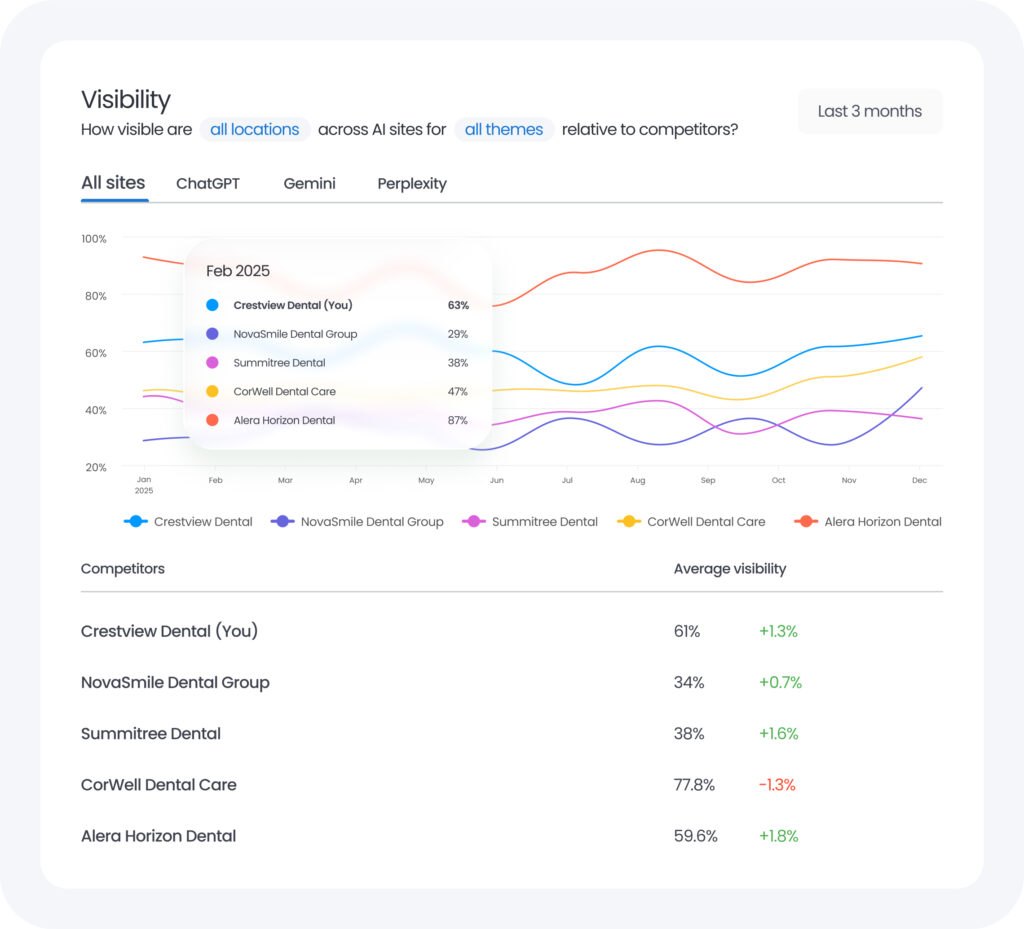
Rise in visibility pressure: customers increasingly move from typing short keywords into search engines to asking detailed questions on AI platforms. When that happens, your discovery depends on the trust signals at each location, such as accurate listings, strong review signals, and clear location-level content. If those signals vary by site, you do not just rank lower; you can get overlooked or described inconsistently.
How Birdeye helps businesses minimise the impact
Higher employment costs can leave marketing and customer experience teams under pressure to deliver the same results with fewer resources. For multi-location brands, that means finding more efficient ways to stay visible, engage customers, and maintain consistent standards across every site.
Birdeye brings these customer-facing workflows together, reducing repetitive work and giving teams the intelligence and AI-powered execution needed to focus resources where they can have the greatest impact.
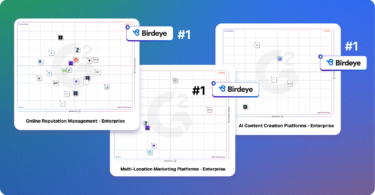
Recognised as one of the leading reputation management companies in the UK, Birdeye gives multi-location brands a single, unified platform to connect customer, location, reputation, and engagement signals. This helps businesses streamline their marketing workflows across all branches from one dashboard.
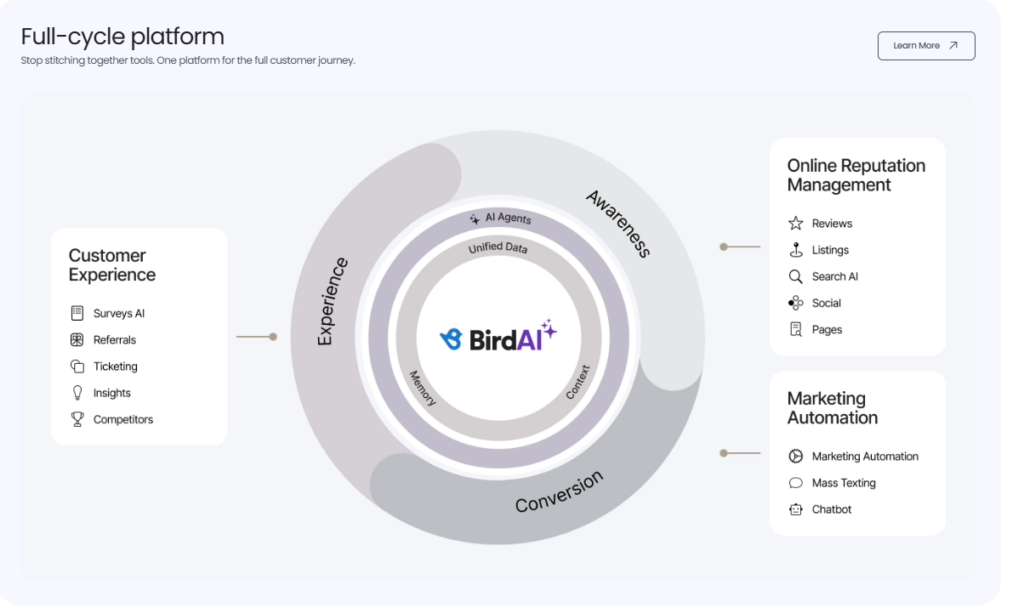
One platform for multi-location marketing
Birdeye connects reviews, listings, social media, customer feedback, messaging, and AI-search visibility. This reduces the need for teams to manage disconnected systems and provides corporate and local teams with a consistent way to coordinate customer-facing activities.
Unified customer and location intelligence
By bringing together customer feedback, location information, sentiment, and engagement data, Birdeye gives businesses a clearer view of how each location is performing. Teams can identify recurring issues, compare locations, and prioritise where attention is needed.
AI agents that support execution
Birdeye’s AI agents are trained on brand and industry context to automate repetitive marketing and engagement workflows while maintaining enterprise oversight. Relevant capabilities include:
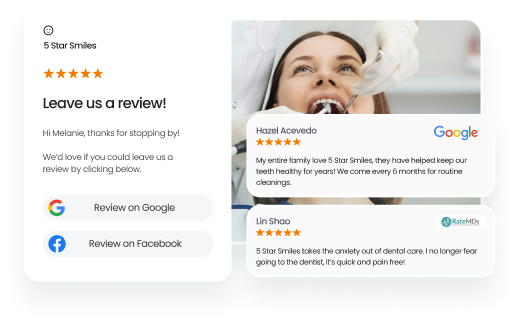
- Reviews AI agents safely maximize review generation timing post-transaction and draft personalized, brand-compliant responses to client feedback.
- Listings AI agents continuously scan directories and local maps to optimize profiles, fix data errors, and sync details across directories instantly.
- Social AI agents monitor audience interactions and convert your strongest 5-star customer reviews into high-converting local social campaigns.
- Insights AI agents surface customer sentiment, experience themes, and location-level performance patterns.
- Search AI agents track, analyze, and continuously optimize how your brand narrative is prioritized across emerging AI search experiences.
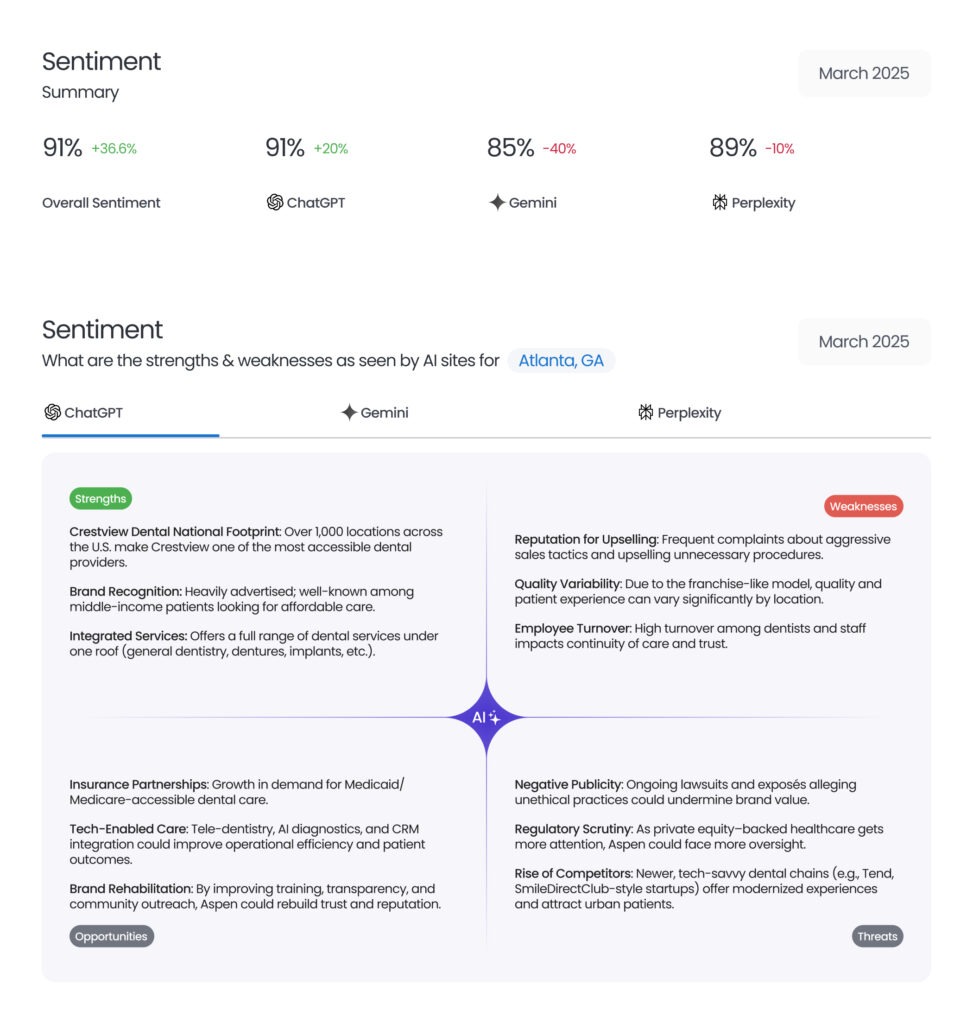
By connecting local intelligence with autonomous execution, Birdeye helps multi-location enterprises turn online visibility, local engagement, and client trust into a measurable, active growth engine.
Navigating the 2025 tax changes: Turning challenges into opportunities
The April 2025 HMRC updates on wage and National Insurance increase bring significant financial pressures, particularly for businesses with multiple locations. However, adapting to these changes doesn’t mean shrinking margins or cutting staff.
Birdeye gives multi-location enterprises a single platform to manage reviews, listings, social engagement, customer feedback, and AI search visibility. By combining unified data with AI agents that support execution, brands can reduce repetitive marketing tasks, maintain consistent customer experiences, and strengthen local visibility without adding pressure to already stretched teams.
This does not eliminate the cost impact of the new payroll requirements, but it can help brands operate more efficiently and protect growth as they navigate a more challenging cost environment.

About the Author

Simon Johnson
Birdeye
Originally published