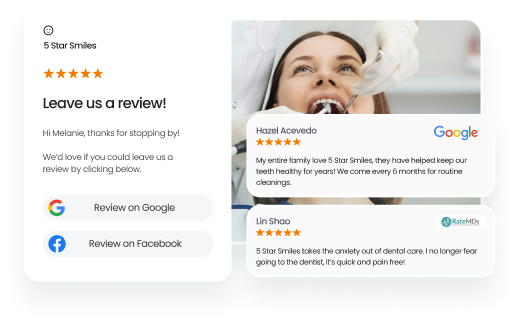
Google introduced multiple algorithm and search experience updates in 2022 that changed how results appear across Google Search and Maps.
Summary
Google’s algorithm and search interface updates continue to reshape how multi-location brands appear in Google Search and Maps, often without any changes to their websites. Updates to core algorithms, Google Maps layouts, and Google Business Profile (GBP) management directly impact local visibility, customer trust, and engagement. For enterprise brands managing hundreds or thousands of locations, maintaining accurate listings, consistent local signals, and strong reputation data is critical, not only for traditional search, but increasingly for AI-driven discovery as search experiences evolve.
This blog highlights five Google algorithm and search interface updates from 2022 that impact how brands appear in Google Search and Maps, and explains why maintaining accurate, visible, and up-to-date information is essential as search experiences continue to evolve.
Table of contents
- May 2022 Broad Core update
- Five recent algorithm and search updates
- 1. New Google Maps and local interface in search
- 2. Listing updates can be made directly in search
- 3. Local advertising with Pointy
- 4. New Google Business Profile attributes
- 5. Google News Showcase
- FAQ about the Google algorithm updates
- Watch the entire webinar
Why Google updates matter for multi-location brands
Google’s algorithm changes consistently reshape how information is surfaced across search and maps. Keeping up with these updates is essential for maintaining enterprise brand visibility and protecting your brand’s online reputation. For multi-location enterprises managing local visibility across hundreds or thousands of locations, these shifts can create sudden changes in impressions, clicks, and customer actions, without any warning or direct website changes.
During a recent webinar, we sat down with SEO expert Steve Wiideman to discuss five Google updates in 2022 and how they influence visibility, engagement, and customer trust for location-based brands.
May 2022 Broad Core update
Google has consistently stated that core updates do not penalize specific sites. Instead, they reward content that demonstrates relevance, authority, and trust. For multi-location brands, this reinforces the importance of maintaining consistent, high-quality content and accurate business information across every digital touchpoint as part of long-term SEO strategies.
The May 2022 Broad Core Update was part of Google’s broader cycle of algorithm refinements released that year to improve overall search quality.
Core updates are rolled out multiple times a year and reflect how Google adapts to changes in user behavior and the broader web ecosystem. When a core update launches, brands may see measurable changes such as:
- Changes in traffic at the page or location level
- Shifts in visibility across branded and non-branded searches
- Fluctuations in local pack and map rankings
Google recommends focusing on strong fundamentals, clear business information, helpful content, and trustworthy signals, rather than reacting aggressively to short-term ranking changes. For organizations managing visibility at scale, sustainable SEO strategies prioritize consistency, accuracy, and reputation signals across every location rather than tactical, one-off optimizations.
Five recent algorithm and search updates
Now that we’ve covered core updates, including Google’s recent update in May, let’s talk about five recent Google updates that could impact your site. While not all of these updates are true algorithm changes, they can help you gain increased visibility to your customers with helpful tips from Steve Wiideman.
1. New Google Maps and local interface in search
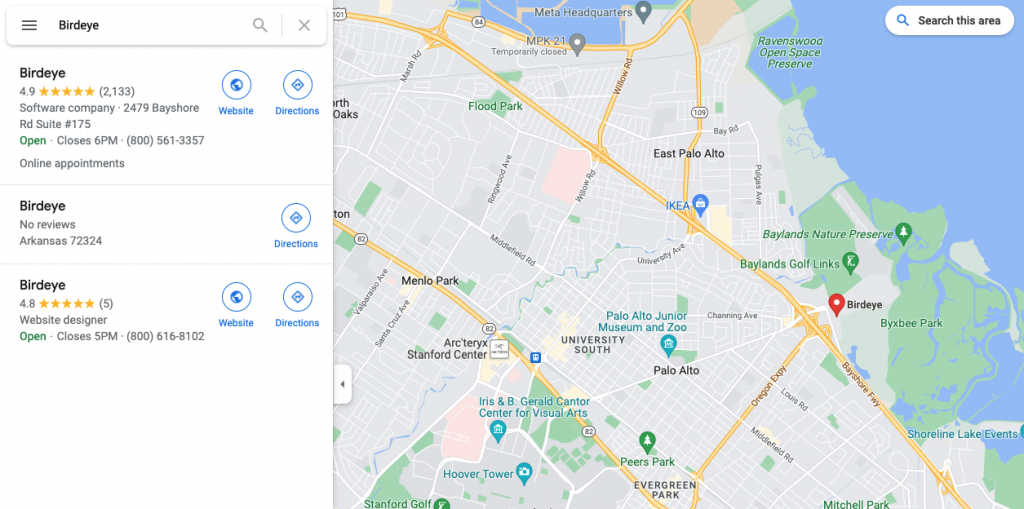
There’s a new Google Maps interface, and the layout change could potentially impact how your business is listed on Google Maps. When using Google Maps, you’ll notice the local search results are now on the left side of the results page while the map is on the right.
Before the layout change, the map was displayed at the top of the screen with local search results below. Search results are now located higher on desktop screens, and the map is taking up more space on the page. It’s important to pay attention to these changes because they can impact the traffic your business receives from Google Maps.
To keep up with changes to Google Maps, Wiideman says enterprises should ensure their listing locations are accurate. This helps to avoid customers getting confused or worse, choosing a competitor who has their brand listed correctly.
2. Listing updates can be made directly in search
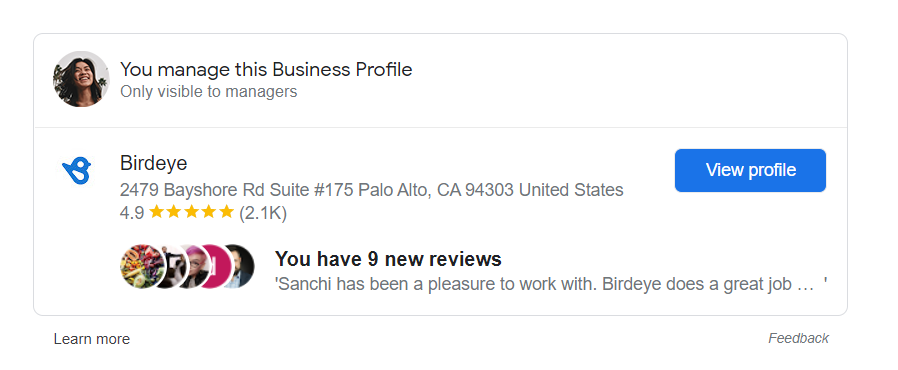
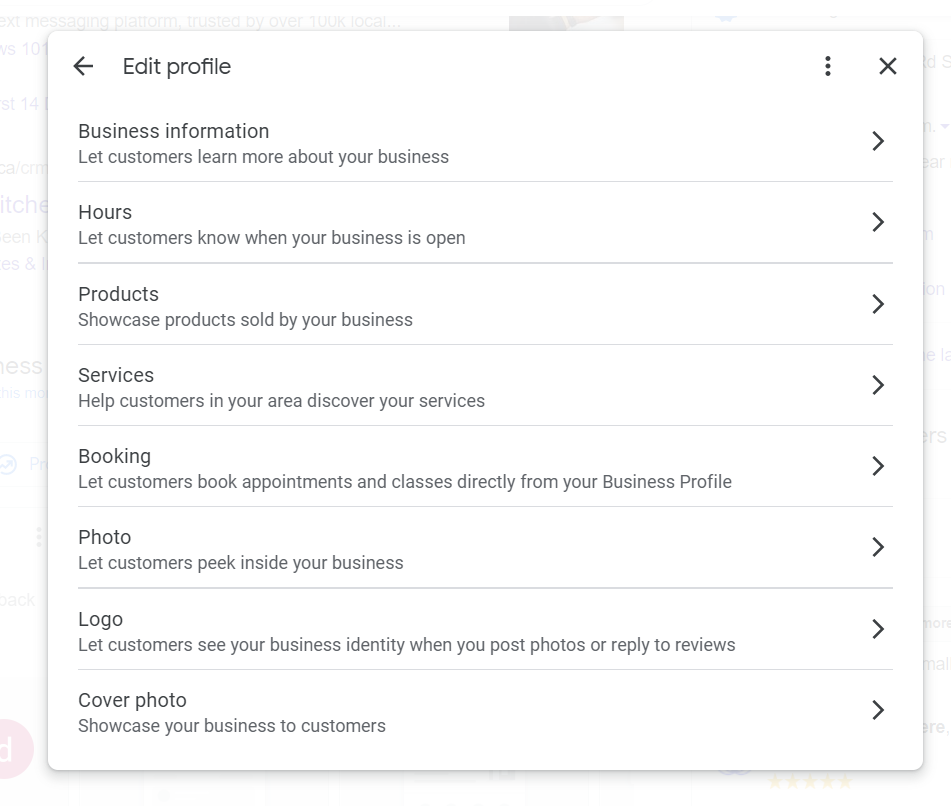
In the past, local businesses were only able to update their listing information through Google Business Profile – GBP. A recent update to Google’s interface now lets business owners update their listings directly through search in a more streamlined way. A local business owner can do a search of their business with signed into GBP to pull up an inline dashboard where they can quickly edit their profile.
Using the inline dashboard, business owners can see who’s visited their listings, performance indicators, and other information. They can also edit their business hours, create posts, and add photos to their listing. After this update, it’s much easier for business owners to manage their GBP.
Visibility beyond Google Search

Birdeye Search AI helps multi-location brands understand how their listings, reviews, and location data influence AI-generated recommendations across emerging search platforms. Combined with Birdeye Listings and Reviews, it provides a centralized way to maintain accuracy, monitor sentiment, and protect visibility as search continues to evolve.
3. Local advertising with Pointy
Pointy is a useful tool that can help you attract local customers by showing them your products on Google Search, Google Maps, and Google Business Profile. When a customer clicks on your business listing, they’ll be able to see a range of products and find out if those products are currently in stock.
Wiideman highly recommends Pointy and says the free service can benefit your website’s click-through rates and impact what customers will see in search results. With Pointy, you’ll have more data to share about your business on your listing.
4. New Google Business Profile attributes
Google Business Profile attributes allow brands to highlight operational details such as payment options, accessibility, ownership, and safety practices. Recent additions discussed in the webinar included:
- Masks required
- Staff get temperature checks
- Staff wear masks
- Black-owned
- Veteran-owned
- Women-owned
- LGBTQ+ friendly
Regularly reviewing and updating attributes helps brands surface in more relevant searches and reinforces trust with local audiences. Experimenting with the most recent attributes can make a significant difference in your Google ranking.
5. Google News Showcase
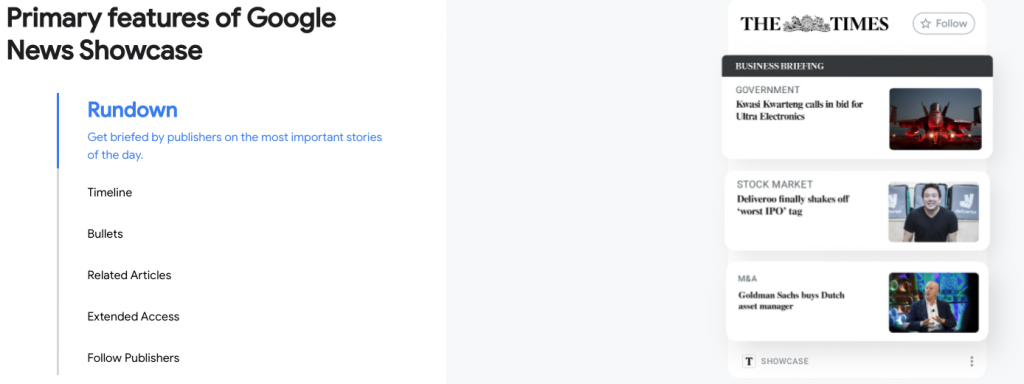
Google News Showcase allows publishers and brands to feature curated news content directly within Google’s ecosystem. For enterprise organizations with established content hubs, industry updates, or corporate announcements, this format can provide an additional channel for visibility beyond traditional search listings.
While Google News Showcase is not a primary driver of local search performance, it can support broader brand awareness and credibility when used as part of a comprehensive content and visibility strategy. For multi-location brands, its value lies in reinforcing authority at the national or industry level rather than driving direct local discovery.
FAQ about the Google algorithm updates
Google updates can shift visibility across hundreds of locations simultaneously, making centralized data management and monitoring essential for enterprise brands.
Yes. Accurate listings, reviews, and attributes influence not only Google Search and Maps, but also the data AI platforms use to generate business recommendations.
While Birdeye Search AI is designed for generative search platforms, the same foundational improvements, accurate listings, consistent brand data, and strong review signals, also strengthen traditional local SEO performance across Google Search and Maps.
Watch the entire webinar
During our webinar, we only talked about a few new changes to Google’s algorithm and search interface. If you’d like to hear more of our discussion with Steve Wiideman, you can watch the entire webinar on-demand and learn how to improve your business’s online presence right away.
About the Author

Birdeye Staff Writer
Originally published






![[Feature image] The Best Marketing Platforms for Multi-Location Brands](https://birdeye.com/blog/wp-content/uploads/Feature-image-The-Best-Marketing-Platforms-for-Multi-Location-Brands-375x195.png)