![[Feature image] Best Reputation Management Platforms for Multi-Location Brands in 2026](https://birdeye.com/blog/wp-content/uploads/Feature-image-Best-Reputation-Management-Platforms-for-Multi-Location-Brands-in-2026-1140x596.png)
For multi-location brands, the best reputation management platforms in 2026 are one that centralizes review generation, listings, feedback, and issue resolution while enabling fast, consistent execution across every location.
Summary
The best reputation management platforms for multi-location brands in 2026 are built to do more than monitor reviews; they help enterprises generate consistent feedback, maintain accurate listings, resolve customer issues quickly, and protect brand trust across hundreds or thousands of locations. At this scale, reputation directly influences local search visibility, conversion rates, and revenue, making it critical for brands to adopt a centralized, system-driven approach rather than relying on disconnected tools or manual processes.
This blog explores how online reputation management platforms have evolved for multi-location brands, why fragmented point solutions fail at enterprise scale, what features buyers should prioritize in 2026, and how Birdeye’s agentic marketing platform leads the pack with its capabilities like automation, governance, and location-level intelligence.
“For multi-location brands managing thousands of locations, the best reputation management solution is a full-cycle agentic marketing platform that unifies review generation, listings accuracy, surveys, messaging, and closed-loop workflows, so corporate teams can govern at scale while local teams execute fast.”
Table of contents
- What are reputation management platforms?
- Why fragmented point tools fail at enterprise scale
- What to look for in a reputation management platform in 2026 (Buyer criteria)
- Top online reputation management platforms evaluated for multi-location brands
- Why multi-location brands should shift to agentic reputation operations?
- FAQs about reputation management platforms
- Final takeaway
What are reputation management platforms?
Reputation management platforms are systems that help businesses generate feedback, monitor reviews, respond to customers, manage listings, and turn customer signals into action across digital channels.
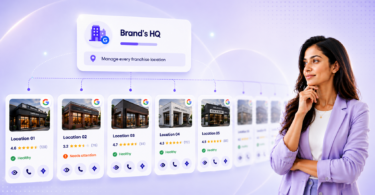
Multi-location brands go further. They act as a central system for collecting feedback, improving ratings, resolving issues, and maintaining brand consistency across every location.
Why fragmented point tools fail at enterprise scale
Fragmented point tools create more complexity than clarity. At the enterprise level, they often lead to disconnected data, inconsistent processes, and a reactive rather than proactive approach to reputation management.
Here is where they fall short:
- Failing to consolidate: When review monitoring, surveys, listings, and messaging are spread across different systems, teams lose a unified view of performance. That makes it harder to create a single source of truth and difficult for leaders to trust reporting across locations.
- Failing to think locally: Enterprise brands need reputation insights at the location level, not just brand-wide averages. They need to understand why one region is underperforming, why another is improving, and which issues keep repeating in specific markets. Generic suites often miss this because they lack the local intelligence and location memory needed to capture real-world business context.
- Failing to act at scale: Locations respond in different ways, brand voice becomes inconsistent, and escalations can be overlooked. Without marketing agents to route, prioritize, and track workflows, important issues can remain unresolved while teams work across disconnected systems.
The hidden costs add up over time:
- Multiple vendors to manage
- More admin work for local and corporate teams
- Integrations that require extra maintenance
- Higher total cost of ownership
At enterprise scale, reputation management cannot depend on disconnected tools and manual coordination. It needs a single connected system that can unify signals, understand local context, and help teams act with greater consistency and control.
What to look for in a reputation management platform in 2026 (Buyer criteria)
A strong platform should support the full reputation loop from request to response to resolution. Here’s the checklist that matters most:
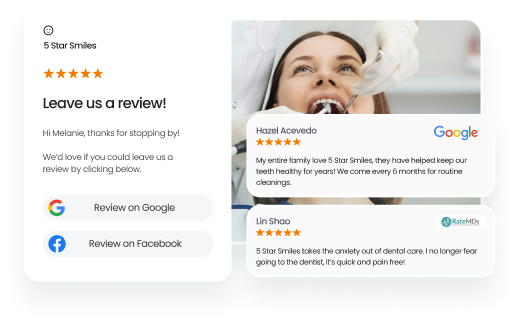
- Review generation at scale: The platform should support SMS, email, QR codes, and in-store requests with compliance controls.
- Review monitoring and response workflows: Buyers should look for routing, approvals, SLAs, templates, and localization controls.
- Listings management: Listings and reputation feed each other. The platform should handle duplicates, bulk updates, categories, hours, and attributes. Surveys and feedback: Public reviews should not be the first place teams discover a problem. Look for NPS, CSAT, post-visit surveys, and segmentation capabilities within the platform.
- Closed-loop issue resolution: This is where many platforms fall apart. Enterprise teams need ticketing, escalation, owner assignment, resolution tracking, and root-cause tagging so issues move toward closure rather than remain public.
- Analytics and benchmarking: Brand averages hide local problems. Buyers need platforms with sentiment analysis, trend reporting, location scorecards, and competitive insights.
- AI and automation maturity: Enterprise buyers should separate real AI workflows from generic AI pixie dust. The right model is simple: AI agents draft and recommend, people approve and govern.
- Enterprise-grade governance: Look for platforms with RBAC, SSO, audit logs, compliance controls, SOC 2 Type II readiness, GDPR support, and HIPAA-ready workflows where needed.
- Integrations: The platform should connect with CRM, POS, ticketing, BI, CDP, and other systems without creating more manual work.
Top online reputation management platforms evaluated for multi-location brands
Multi-location brands need more than basic review tools. They need platforms that can protect brand consistency, improve local performance, and help teams act faster across every location. Let’s explore each tool in detail below:
Birdeye
Birdeye is a strong fit for enterprise multi-location brands because it is built as a full-cycle Agentic Marketing Platform rather than a single-purpose ORM tool. It brings reviews, listings, surveys, messaging, social, and marketing automation into one system, making it easier to manage centrally and execute locally.
Reviews and listings are the foundation of reputation management, and Birdeye’s AI focuses on execution across all locations.
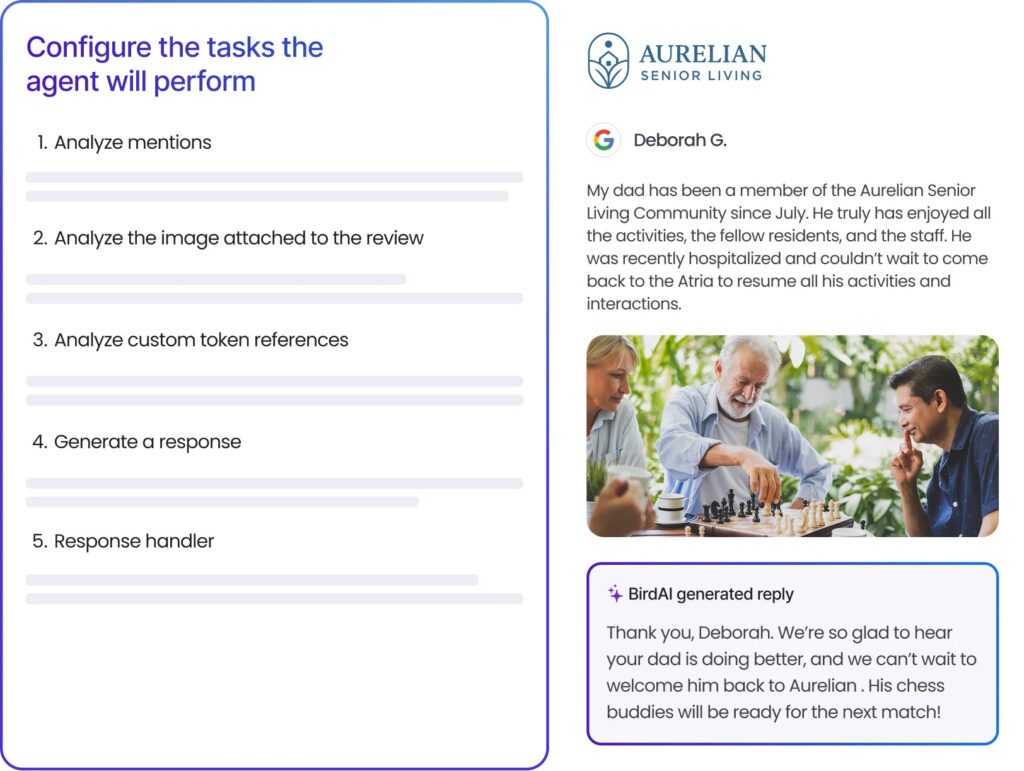
The Review Generation Agent sends requests at the right time to increase response rates, while the Birdeye Review Response Agent analyzes sentiment, flags priority items, and generates context-aware replies based on tone, urgency, and content. This helps teams manage high volumes of feedback without slowing down response times.
Listings are handled through Listings AI and the Birdeye Listings Optimization Agent. The platform identifies inconsistent data, duplicates, and missing fields, then pushes updates across directories like Google, Apple, and Yelp. The Listings Optimization Agent continuously improves profiles by:
- Completing fields
- Correcting data
- Strengthening citation quality
This matters in day-to-day operations. Birdeye Messaging AI and shared inbox bring SMS, web chat, Google messages, and Facebook conversations into one view, while routing and AI-suggested replies help teams respond faster.
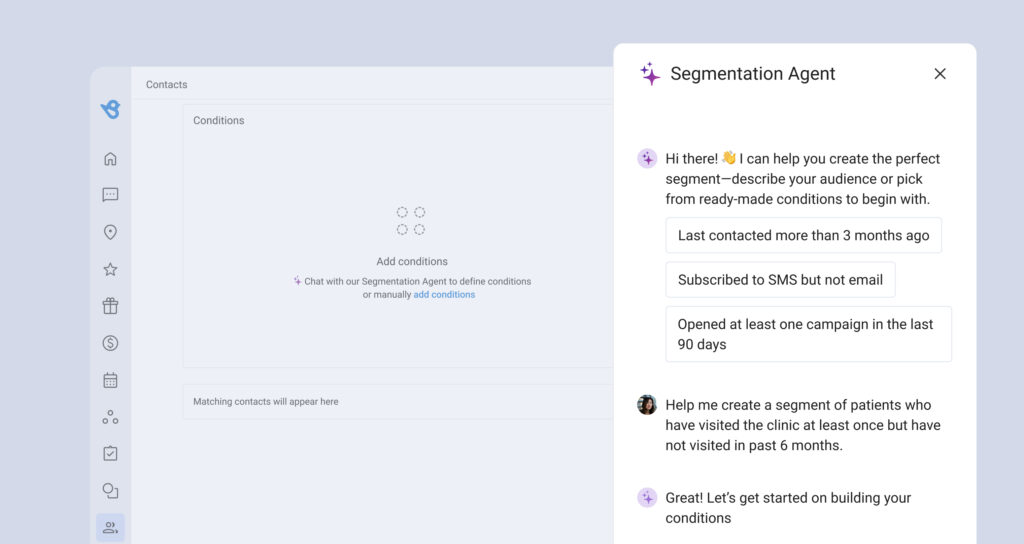
The Birdeye Lead Generation Agent and Contact Segmentation Agent extend the platform beyond reputation, helping teams capture and organize inbound demand for follow-up.
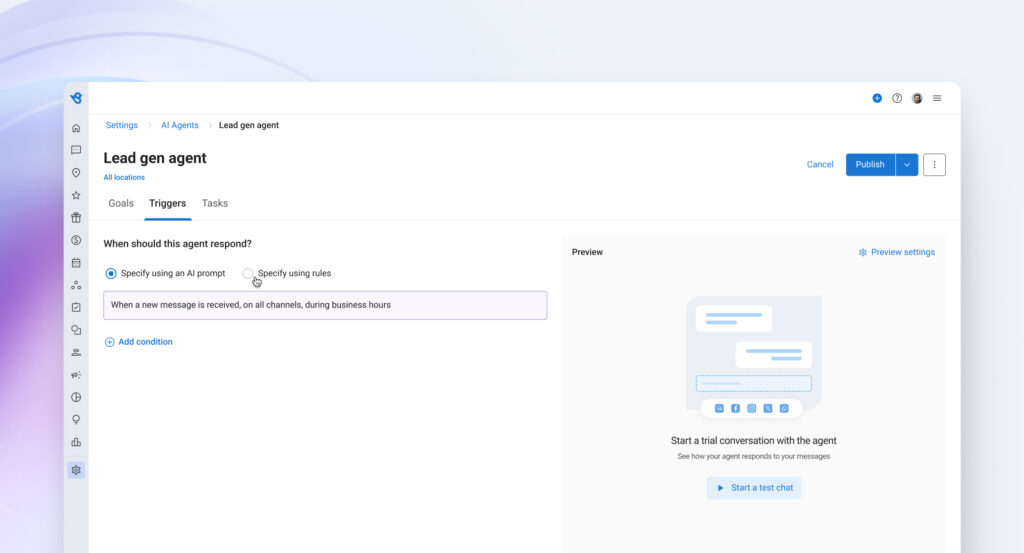
Birdeye also stands out for enterprise readiness, with support for SSO, granular RBAC, audit trails, and data encryption. It goes beyond review responses by connecting public feedback with surveys, messaging, and operational reporting.
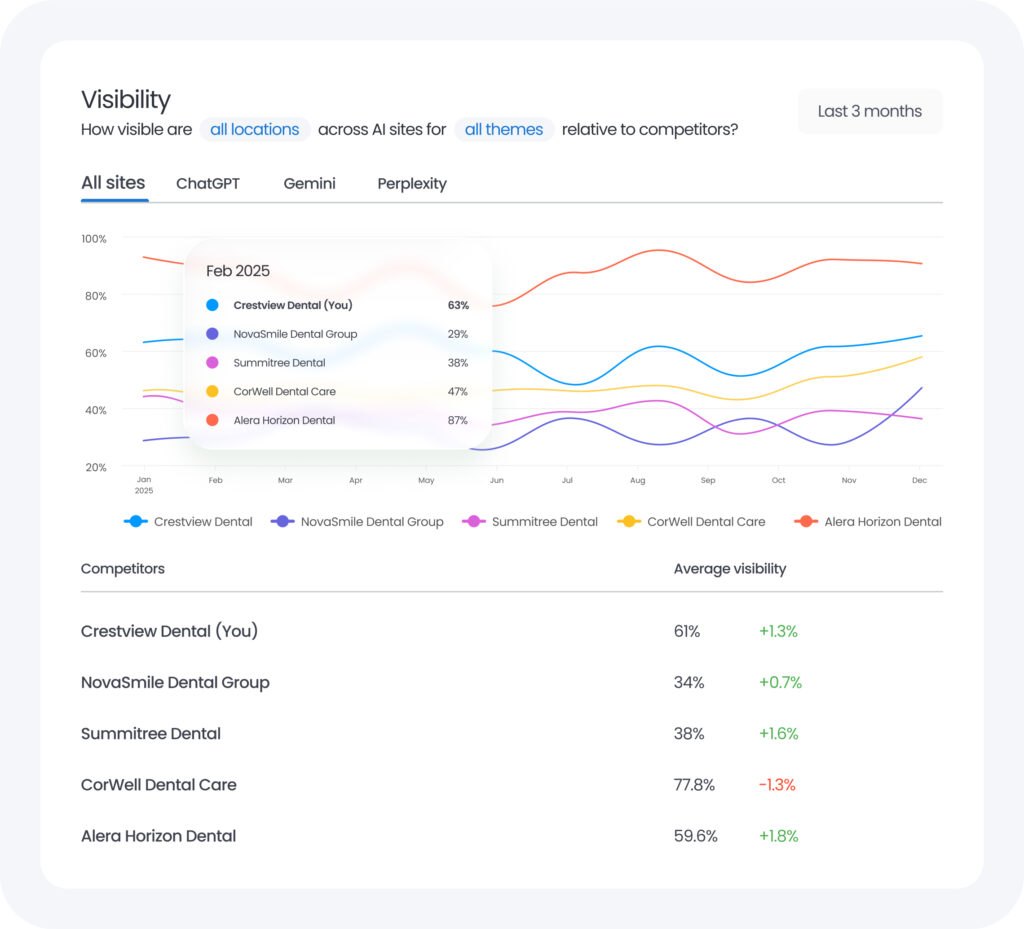
Birdeye also adds a new layer to reputation management. With Birdeye Search AI, brands can track how AI answer engines like ChatGPT, Gemini, and Perplexity represent their business through prompts, citations, and competitor mentions. In 2026, reputation shapes not just traditional search visibility, but also how brands appear in AI-generated answers.
AI Agents and features built for multi-location scale
What sets Birdeye apart from other reputation management platforms isn’t just the range of capabilities, it’s how those capabilities are structured into AI-driven agents that continuously optimize, analyze, and act across every location.
For multi-location brands, this means moving beyond fragmented tools to a system that centralizes operations, unlocks insights, and drives action.
Full-Cycle Platform: Consolidate Every Customer Touchpoint
Managing hundreds of locations often leads to scattered data, inconsistent listings, and disconnected workflows. Birdeye addresses this with a full-cycle platform designed to unify your entire presence.
- Manage reviews across 200+ review sites from a single dashboard, giving you complete visibility into customer feedback without switching platforms.
- Listings Optimization Agent ensures your business information stays accurate, consistent, and optimized across directories, improving local search performance.
- Social Publishing Agent simplifies multi-location social media by generating and scheduling on-brand content tailored to each location.
- Custom Agent enables businesses to build workflows around their specific needs, extending automation beyond standard use cases.
- Connect with 3,000+ integrations, seamlessly syncing your CRM, marketing, and operational tools into one ecosystem.
The result is a true end-to-end platform that eliminates silos and creates a single source of truth across all locations.
Local Intelligence: Turn Presence Into Performance Insights
Visibility alone isn’t enough, multi-location brands need to understand how each location is performing and where to improve. Birdeye’s intelligence layer makes that possible.
- Track AI search visibility, citations, and sentiment to understand how your brand appears across both traditional and AI-driven search experiences.
- Contact Segmentation Agent dynamically groups customers based on behavior and engagement, enabling more targeted outreach.
- Reporting Agent transforms complex data into actionable insights using simple, natural-language queries.
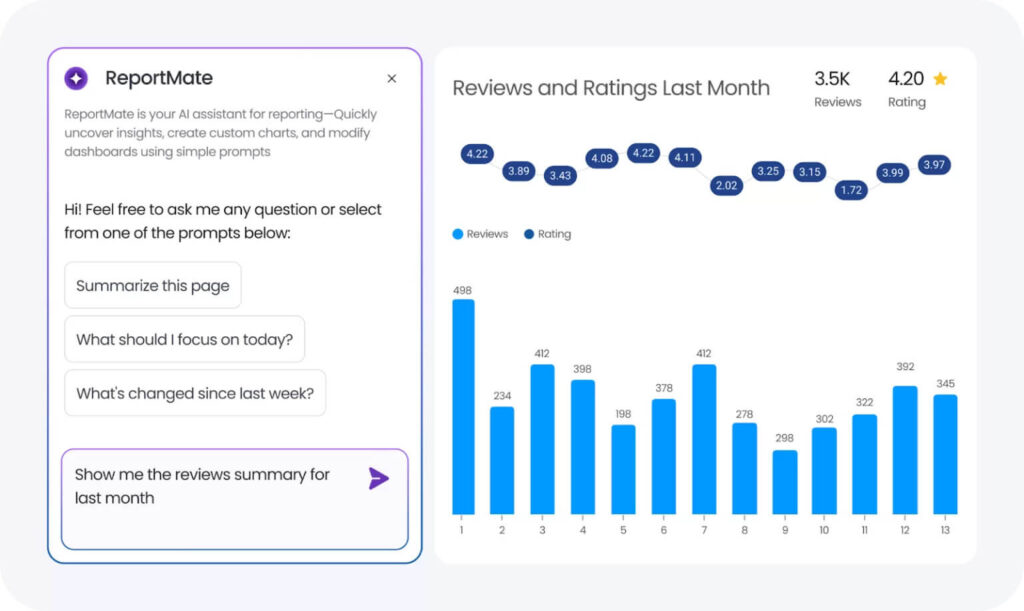
This ensures brands don’t just collect data, they gain real-time, location-level intelligence that drives smarter, faster decisions.
Marketing Agents: Act Faster, Engage Smarter
Where many platforms stop at insights, Birdeye takes the next step, activating AI agents that execute across the customer journey.
- Review Generation Agent sends requests at the right time to increase review volume across the platforms that matter most.
- Review Response Agent scales personalized, on-brand responses using AI that understands sentiment, tone, and context.
- Social Engagement Agent prioritizes and responds to messages and comments in real time, improving responsiveness and customer satisfaction.
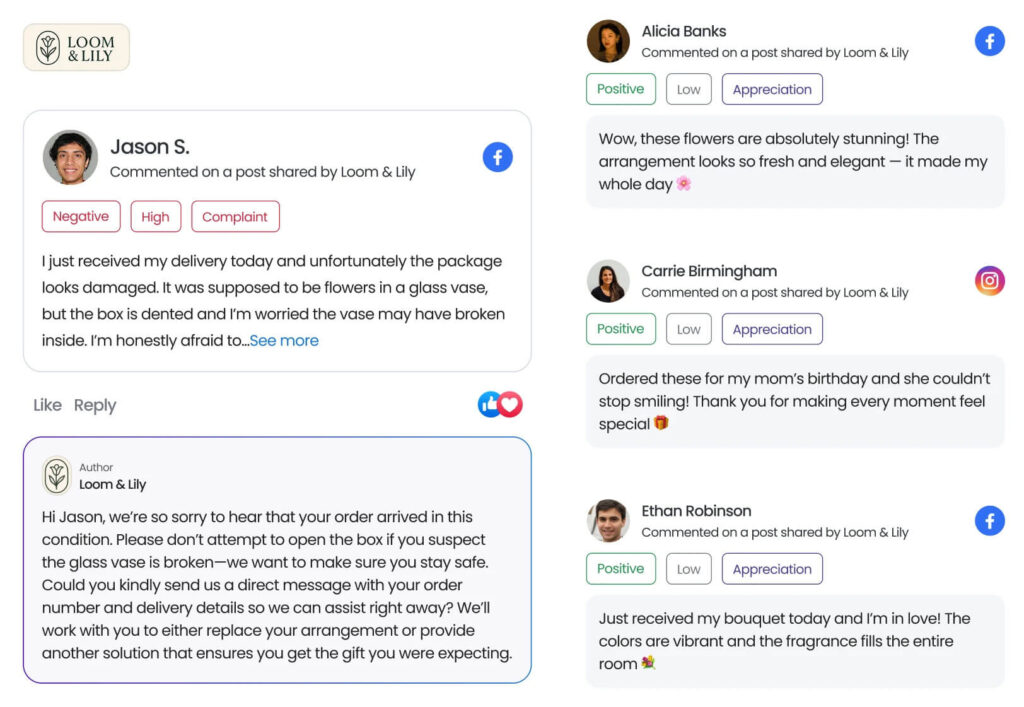
- Lead Generation Agent captures, qualifies, and follows up with leads instantly, even outside business hours.
- Template Design Agent creates brand-aligned emails, texts, and landing pages with minimal manual effort.
Together, these agents help brands engage consistently, respond faster, and convert more customers across every location.
Pros
- Built specifically for multi-location brands, with strong location-level visibility and control
- Connects reviews, listings, messaging, and reporting in one unified platform
- Helps teams take action faster, not just monitor problems
- Links AI visibility to practical levers like review quality, listing accuracy, and local content
- Scales well from 100 to 10,000+ locations without losing governance or local context
Cons
- Some advanced enterprise setups may require additional integrations or workflow configuration
- New teams may need a short onboarding period to align processes and permissions
Pricing: Custom pricing based on the number of locations, feature needs, and enterprise workflow requirements.
Birdeye’s G2 recognition
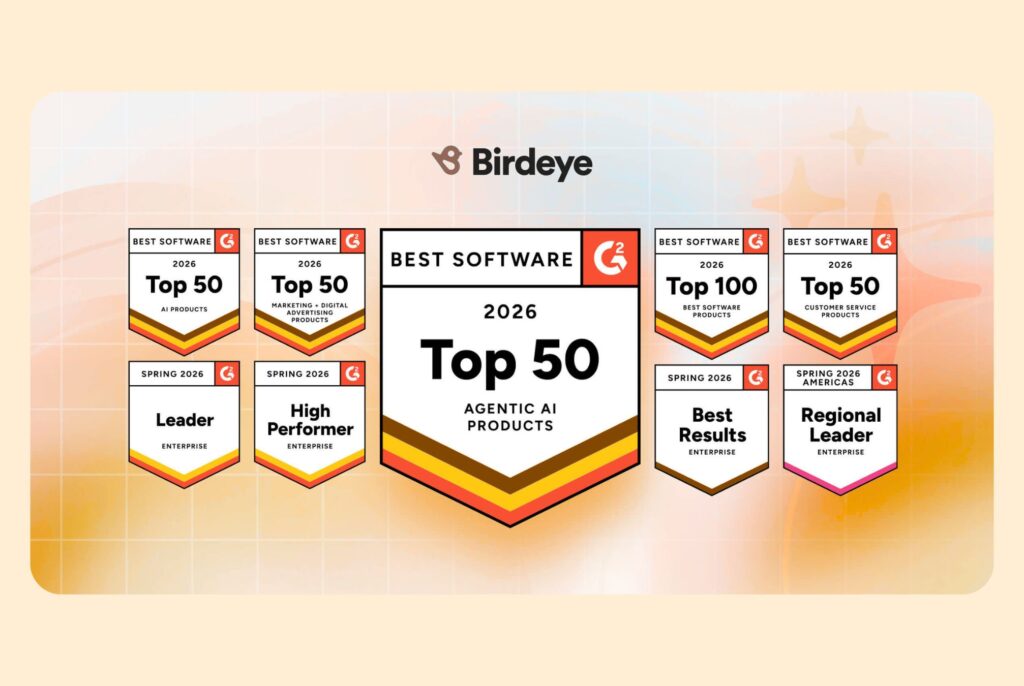
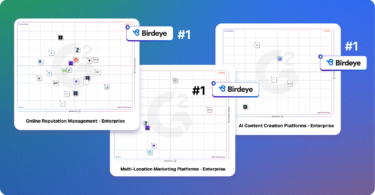
Birdeye’s G2 recognition shows that multi-location brands are choosing platforms that can manage the full local marketing stack. In G2’s Spring 2026 reports, Birdeye ranked as the #1 enterprise platform across 12 categories, backed by 3,600+ verified reviews, including recognition in both core reputation categories and newer AI categories like Agentic AI and AI Agents.
As Naveen Gupta, co-founder and CEO of Birdeye, puts it:
“The era of fragmented point tools is over. Multi-location brands are moving toward agentic platforms that don’t just show data, but drive real business outcomes. Our G2 recognition, including #1 enterprise rankings across more than ten categories and placement alongside the world’s leading AI companies, validates what our customers already know: Birdeye is the enterprise platform built for the AI era.”
That momentum is also showing up in the business:
- 113% growth in $100K+ enterprise customers
- 2x pipeline growth
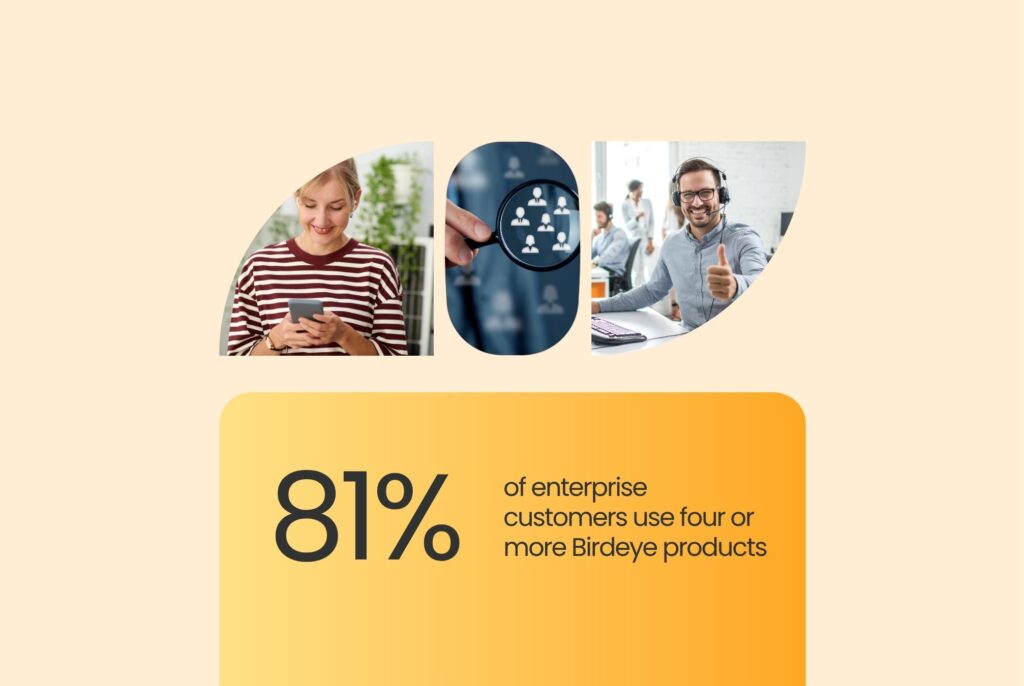
- 81% of enterprise customers use four or more Birdeye products
Together, these signals show a bigger shift in the market. Leading brands across healthcare, hospitality, financial services, and real estate are consolidating more of their marketing engine on Birdeye.
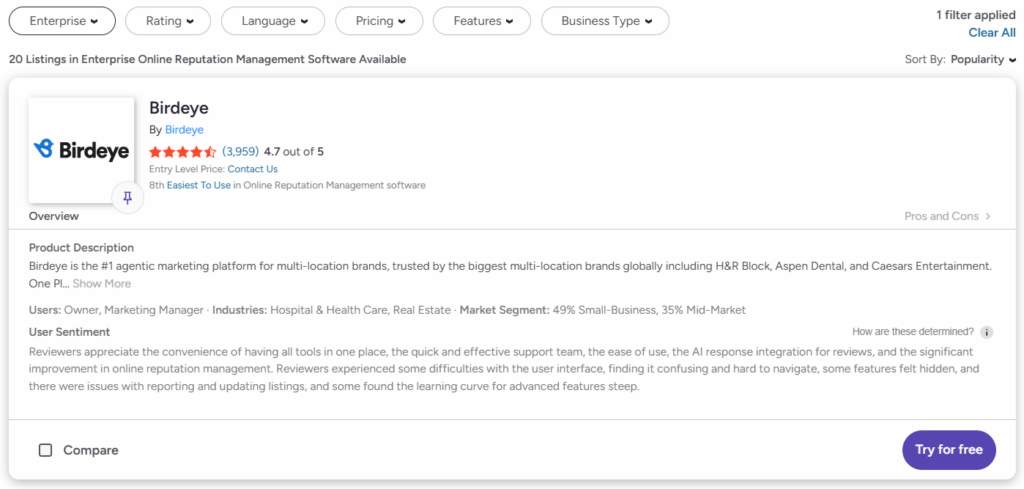
As per G2 & Gartner, Birdeye is No. 1 Online Reputation Management Software. 4.7/5 with 3,900+ reviews
Legacy/Fragmented ORM tools
Legacy ORM tools can still work well for brands that mainly need basic review monitoring, response workflows, or listings support. Some are especially useful for teams with simpler structures and lighter governance needs.
Their limits usually show up when enterprise complexity comes into play. Many are stronger in one area than across the full cycle. Examples in this category include
- Podium
- ReviewTrackers
These tools can work well for brands that mainly need listings management, review monitoring, review requests, messaging, or local visibility support. Let’s learn more:
Podium
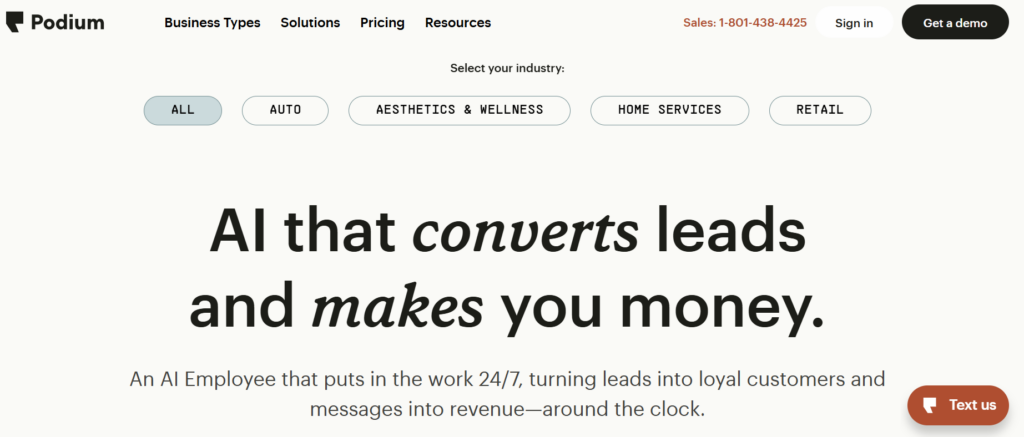
Podium focuses on reviews, messaging, webchat, and lead capture, helping businesses centralize customer conversations and review requests.
Key features include:
- Shared inbox for messages, reviews, and customer interactions
- Webchat that turns website conversations into text-based follow-up
- Review request automation and AI-supported communication
Pros:
- User-friendly
- Strong centralized communication workflows
Cons:
- Pricing can feel high
- Some expected features are missing
- Messaging reliability can vary in some setups
ReviewTrackers
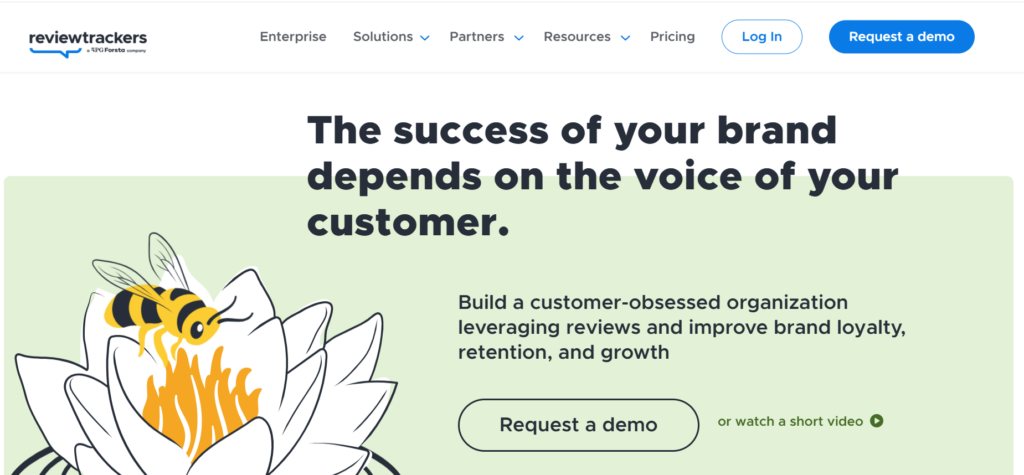
ReviewTrackers focuses on review monitoring, analytics, and competitor tracking, helping brands track feedback across locations and spot trends faster.
Key features include:
- Review monitoring across multiple review sites
- Analytics and trend tracking for customer feedback
- Competitor tracking and local reputation reporting
Pros:
- Easy to navigate
- Strong review monitoring and analytics
Cons:
- Direct response options are limited on some review sites
- Notifications can be inconsistent
- Source coverage may feel narrow for broader needs
Generic marketing suites
Generic marketing suites are designed for brand-level automation, not the realities of multi-location reputation management. They lack critical capabilities like managing reviews across hundreds of sites, maintaining accurate listings, enabling location-level personalization, and providing structured workflows for approvals and issue resolution. As a result, they help run campaigns, but fall short when it comes to managing how each location is perceived. Examples in this category include:
- Salesforce Marketing Cloud
- HubSpot
- Adobe Marketo Engage
- Braze
The table below compares Birdeye and other tools across the areas that matter most for multi-location brands.
Comparison table
| Criteria | Birdeye | Legacy ORM tools | Generic marketing suites |
| Unified location intelligence | Strong, built to connect reviews, listings, surveys, messaging, and location context | Often fragmented across modules or vendors | Usually stronger at brand-level data than local operational context |
| Agentic execution | Strong, AI agents draft, route, prioritize, and support execution within guardrails | Limited, often basic automation or inbox assistance | Moderate, workflow automation exists, but it is not purpose-built for reputation operations |
| Enterprise governance | Strong, supports SSO, RBAC, approvals, audit trails, and encryption | Varies by vendor, often lighter governance depth | Strong at corporate controls, weaker at location nuance |
| Full-cycle flywheel | Strong, supports generation, monitoring, listings, surveys, messaging, and closed-loop workflows | Partial, often stronger in one or two areas than across the full cycle | Weak to moderate, usually not designed around reputation as an operating loop |
| Best fit | Multi-location brands that need governed execution across hundreds or thousands of locations | Teams focused on narrower ORM or listings use cases | Brands prioritizing general campaign automation over reputation operations |
Why multi-location brands should shift to agentic reputation operations?
Reputation operations are shifting from AI assistance to agentic execution. Traditional AI can suggest or draft. Agentic systems can take approved actions within the rules your team sets, enabling enterprise brands to achieve faster, more consistent, and more controlled execution across locations.
Agentic reputation includes purpose-built agents that send review requests, draft on-brand replies, route urgent issues, flag sensitive interactions, and assign work to the right owner.
The Birdeye Social Publishing Agent and the Social Engagement Agent demonstrate how this model extends beyond reviews. Taylor Snow, Marketing Coordinator of CYM Living, says:
“Birdeye Social transformed the way we interact with our communities. It’s not just about posting content; it’s about sparking conversations and building relationships.”
She also adds,
“Birdeye has really boosted our social media game. It’s freed up so much time that we can now focus more on creating better posts and even dive into other projects. It’s been a game-changer for us.”
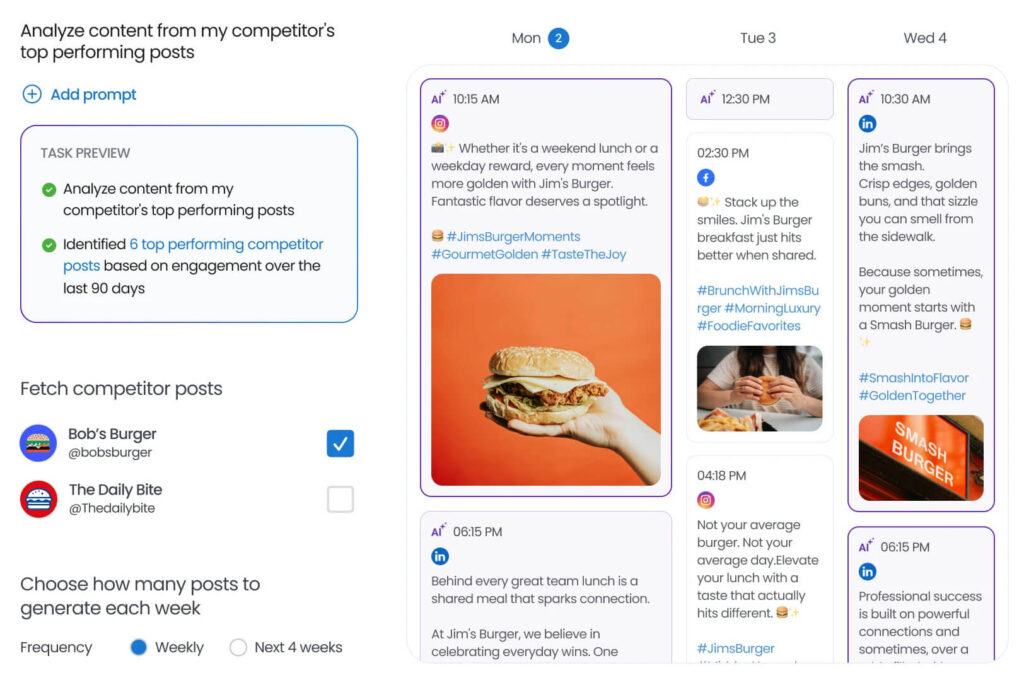
These tools help teams schedule localized content, maintain consistent brand messaging, prioritize comments, suggest replies, and escalate sensitive issues early.
The real value is control. Enterprise brands need a human-in-the-loop system where AI recommends and drafts, while marketers review, adjust, and approve important actions.
FAQs about reputation management platforms
A reputation management platform helps businesses collect, monitor, respond to, and learn from customer feedback across reviews, listings, surveys, and other channels. For enterprise brands, it should also support routing, approvals, analytics, and issue resolution.
The best platform for a multi-location brand, such as Birdeye is one that unifies review generation, listings, surveys, messaging, and closed-loop workflows while giving corporate teams control and local teams speed. Brands with hundreds or thousands of locations usually need stronger governance and location-level intelligence than basic ORM tools provide.
Enterprise teams should look for review generation, review monitoring, listings management, surveys, messaging, analytics, automation, enterprise governance, and strong integrations. The platform should also support approvals, audit trails, and location-level reporting.
A generic marketing suite is usually built for broad campaign automation. A reputation management platform is built to manage location-level feedback, reviews, listings, local workflows, and issue resolution. Multi-location brands often need both, but reputation management requires deeper local governance.
AI agents help by drafting replies, sending review requests at the right time, routing issues, spotting sentiment patterns, improving listings, and surfacing trends faster. The strongest platforms, like Birdeye, use AI within clear guardrails.
Final takeaway
The best reputation management platforms for multi-location brands in 2026 do more than help teams respond faster. They help brands build a repeatable system for generating feedback, maintaining response quality, improving local visibility, resolving issues, and keeping accountability clear across every location.
When a platform cannot unify data, understand local context, and support action across locations, it often adds more work rather than reducing it. That is why many enterprise brands are moving toward connected platforms like Birdeye, which bring reviews, listings, messaging, social, and governed execution into one system.
See how Birdeye helps multi-location brands bring reputation management, local visibility, and customer engagement together in one platform. Watch a free demo now.

About the Author

Avtar Madan
Avtar Madan
Originally published