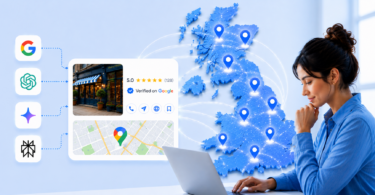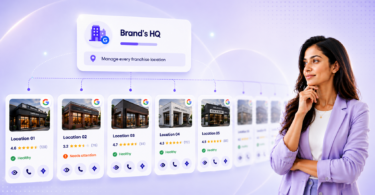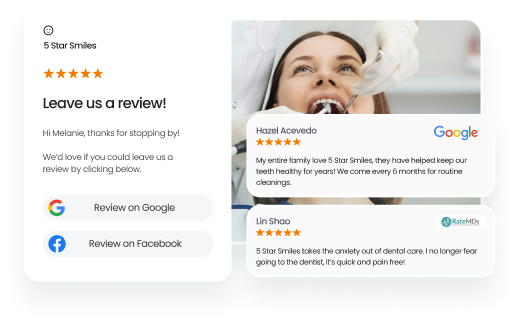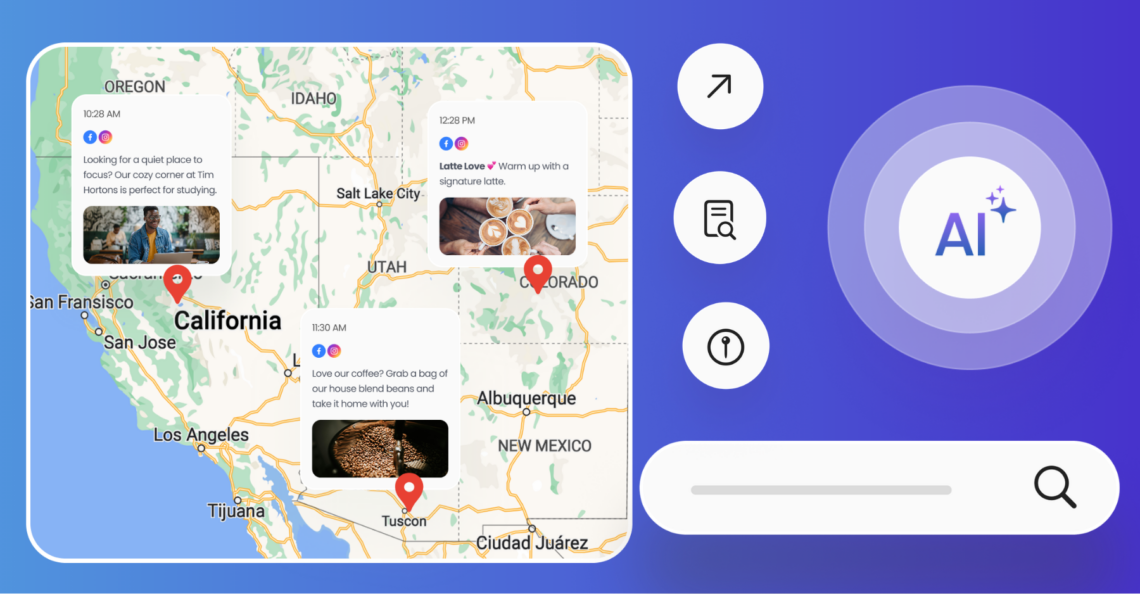
Local SEO is no longer just about ranking on Google; it’s about being discovered, trusted, and chosen in local search, wherever potential customers are searching.
As search behavior shifts toward AI-driven answers, zero-click results, and location-based intent, local search engine optimization (SEO) has evolved into a long-term visibility strategy for businesses. Today, your Google Business Profiles and positive reviews share more than just "info"; they are the training data for the AI assistants your customers use daily.

This shift means that how you manage your online presence now determines your ranking and whether your business shows up at all.
This guide breaks down how local SEO works, how Google and AI interpret local businesses differently, and what practical steps businesses can take to build sustainable local search visibility in 2026 and beyond.
Table of contents
- What is local SEO?
- How does local search work today?
- How do Google and AI understand local SEO differently?
- What signals decide whether a business gets found in local search
- How does Google Business Profile affect local SEO visibility?
- Why reviews and reputation now influence discoverability
- How should multi-location brands approach local SEO keyword strategy
- What local SEO best practices actually improve visibility
- How a local SEO tool helps businesses stay visible
- Frequently asked questions about local SEO
- Why review management is now an operational requirement
What is local SEO?
Local SEO is the process of ensuring a business is visible when people search for products or services in a specific geographic area. In practical terms, it determines whether your business appears when someone searches with location intent, such as “near me,” a city name, or an urgent need.

Local search engine optimization is not just about ranking a website. It is about ensuring that each business location is accurately represented, consistently described, and actively maintained across search surfaces where customers make decisions.
A useful way to think about local SEO is this: It controls whether your business is shown, trusted, and acted on at the moment of intent.
This is why local SEO optimization relies far more on business information, reviews, activity, and responsiveness than on traditional on-page SEO signals.
When does local SEO actually influence customer decisions
Local SEO matters most when people are ready to act. These searches usually involve location, business type, open hours, or urgency. At this stage, potential customers are not browsing or comparing broadly. They are deciding which business to contact or visit.
This makes local SEO fundamentally different from awareness-stage or informational SEO. Visibility here directly impacts revenue.
This raises an important question that many businesses overlook: How does visibility work differently across Google Search, Google Maps, the local pack, and the knowledge panel?
Local visibility does not appear in a single place. It is distributed across Google Search results, Google Maps, the local pack, and the knowledge panel. Each surface plays a different role in how customers discover and choose businesses.
Search results often introduce options:
– Google Maps emphasizes proximity and completeness.
– The local pack blends relevance with trust signals.
– The knowledge panel is where customers act.
Google reported in its 2025 Maps Insights update that searches with “near me” intent have grown by over 20% year over year, with most local decision-making now occurring directly within Maps and Search surfaces.
If your business information is incomplete or inconsistent at this stage, prospects may never reach your site. This is why local search optimization must prioritize the quality and completeness of business profiles, not just website rankings.
What local SEO is responsible for and what it is not
Local SEO is responsible for how a business appears and performs when location matters. This includes:
- Accuracy of name, address, and place (NAP), and business data
- Correct primary and secondary category relevance
- Clear service and offering descriptions for each location
- Review presence, recency, sentiment, and responses
- Ongoing activity signals, such as updates, photos, and engagement across each location
How do review velocity and review content affect visibility and conversion inside local search results?
Steady review activity supports prominence, while descriptive review language improves relevance. Customers, meanwhile, rely on recent feedback to assess credibility, especially when choosing among similar nearby options.
These factors collectively influence how Google evaluates relevance, distance, and prominence when deciding which businesses to show.
Local SEO is not responsible for all types of searches. Informational searches with no local intent or broad national queries are not driven by a local SEO strategy. Trying to force local SEO tactics into those cases usually creates noise without impact.
What standards must every location meet before visibility improves
Before a business can improve visibility, each location must meet a minimum baseline. This is often where local SEO strategies fail, especially at scale.
This leads to another necessary question: What are the minimum standards every location must meet across categories, hours, services, photos, reviews, and responses?

At a minimum, every location needs:
- Accurate primary and secondary categories
- Complete and current hours, including exceptions
- Clearly listed services/offerings
- Recent photos that reflect the actual location
- An active review presence with visible owner responses

Falling below this baseline does not just limit rankings. It erodes trust and reduces conversion actions on Google surfaces.

How does local search work today?
When someone searches with local intent, Google does not start by looking only at websites. It first evaluates business-level information tied to the location. This includes Google Business Profiles, categories, proximity to the searcher, and signals that indicate whether a business is relevant and reliable for that search.
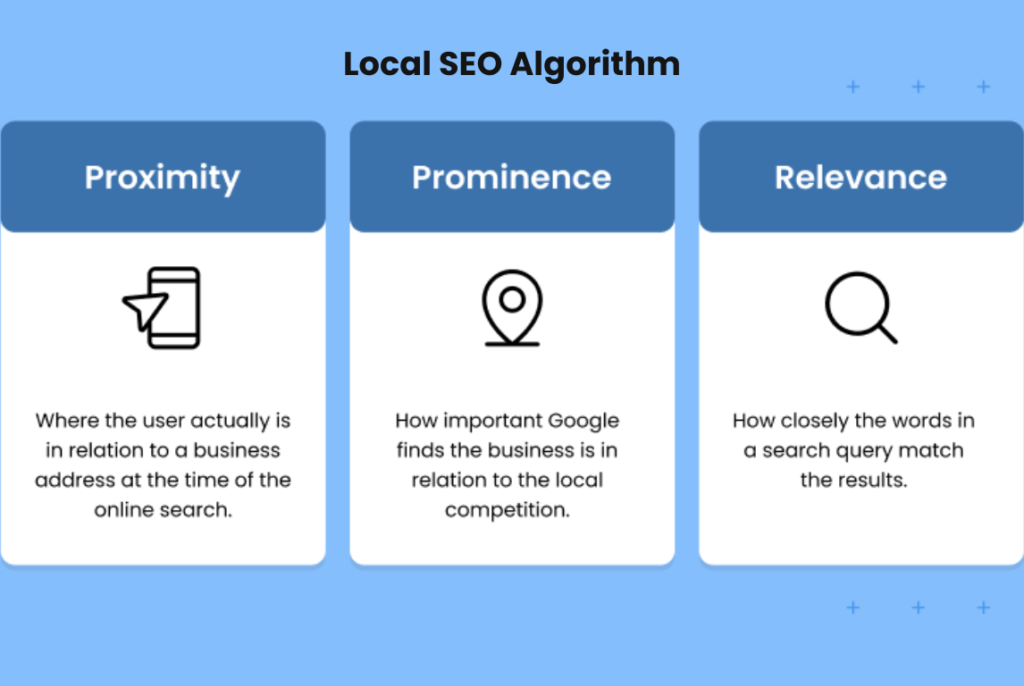
Local search results are shaped by three forces working together: relevance to the query, distance from the searcher, and the perceived trustworthiness of the business. These signals are applied before traditional ranking factors like content depth or backlinks come into play.
How does Google rank businesses in the local pack?

Google determines local pack positioning using three primary ranking criteria:

Relevance: How accurately your Google Business Profile categories, service lists, and business details match the user’s search query.

Proximity: The physical distance between the searcher’s location (or targeted geo-location term) and your verified business address.

Prominence: The overall digital reputation and authority of your business, evaluated through review volume, ratings, profile interaction levels, citation consistency, and local backlinks.
This is why local search engine optimization behaves differently from broader SEO. A business can have a strong website and still struggle in local results if its location data or profile signals are weak.
How do Google and AI understand local SEO differently?
Local search has always relied on structured business information, but the way that information is interpreted is changing. Google and LLMs do not evaluate local businesses in the same way, even when they rely on similar data sources.
Understanding this difference helps businesses avoid chasing assumptions and focus on what actually improves visibility and selection.
This section explains how each system interprets local SEO signals.
How Google evaluates local businesses
Google evaluates local SEO using defined signals tied to business entities and locations. These signals include business categories, proximity, completeness of the Google Business Profile, consistency of listings, review presence, and activity such as updates and responses.
Google’s goal is to return results that are relevant, nearby, and trustworthy. This evaluation is largely rules-based. When key fields are missing, outdated, or inconsistent, visibility is reduced, regardless of how strong the website is.
This raises an operational question that many businesses underestimate: What actually influences visibility in a Google Business Profile, and what influences customer actions once the profile is seen?
In practice, accuracy enables visibility, while activity and credibility influence whether customers act. These roles are not interchangeable, and confusing them often leads to wasted effort.
How AI systems interpret local business information
AI systems interpret local businesses less as profiles and more as patterns. Instead of prioritizing individual fields, they look at how information aligns across sources and how customers describe their experiences.
AI relies heavily on review language, sentiment consistency, recency of feedback, and alignment between listings, descriptions, and customer narratives. Conflicting or unclear information does not just lower confidence. It leads to omission.
Birdeye’s 2025 Local Search Accuracy Benchmark showed AI engines often excluded or misidentified businesses due to outdated hours, incorrect categories, or conflicting location data. This indicates that unclear listings don't just lower rankings—they can completely omit businesses from AI-generated answers.
This raises a different question than traditional local SEO: What changes with AI-generated local recommendations, and what should businesses focus on without guessing how AI ranking works
The practical answer is that AI does not reward optimization tricks. It rewards clarity. Businesses that consistently describe themselves, receive steady feedback, and respond in ways that reflect real operations are easier for AI systems to summarize and recommend.
Why this difference changes local SEO strategy
The difference between how Google and AI interpret local SEO does not require two separate strategies. It requires one disciplined approach that removes ambiguity.
For Google, this means enforcing accurate data, complete profiles, and category relevance at every location. For AI, it means ensuring that customer feedback, business descriptions, and responses reflect the same reality across platforms.
Local SEO strategy becomes less about chasing rankings and more about maintaining coherence. When business information, customer experience, and ongoing activity align, visibility improves across both traditional search and AI-driven recommendations.
This understanding sets up the next section, where we examine which signals determine whether a business is found and how those signals affect both discovery and conversion.
Operationalizing Local SEO with Birdeye
Want to see the impact of Birdeye on your business? Watch the Free Demo Now.
What signals decide whether a business gets found in local search
Once local search systems understand a business, the next question is whether that business is surfaced or suppressed. Visibility in local search is not random. It is shaped by a small set of signals that influence both discovery and customer action.
Let’s understand what actually moves visibility and what influences conversion inside local search results.
Business information accuracy sets the ceiling for visibility
Accurate and complete business information is the baseline signal for local SEO. GBP attributes, categories, hours, services, and tell search systems what a business is and when it should appear. When this information is missing, outdated, or inconsistent across platforms, visibility is capped before search systems consider any other signals.
Reviews influence both relevance and trust
Reviews play two roles in local SEO. They help search systems determine relevance and help customers decide whether to engage. Review volume and velocity signals to assess ongoing demand. The review provides context on services, quality, and the experience. Together, they help determine whether a business appears for specific local searches and whether it is chosen once shown.
How many recent reviews do we need to rank in the map pack?

Google does not enforce a single fixed review target; instead, requirements depend on local market competitiveness. To stay competitive in map pack rankings, follow these operational review standards:

Maintain steady velocity: Generate 2 to 5 new reviews weekly per location rather than acquiring feedback in inconsistent, bulk bursts.

Benchmark top 3 competitors: Exceed the average review count and star rating held by the top three ranking businesses in your immediate market.

Prioritize 90-day recency: Keep review collection continuous, as reviews older than 3 months lose algorithmic weight for prominence and carry less credibility with potential buyers.
Owner responses and activity affect customer action
Owner responses do not typically unlock visibility on their own, but they influence what happens after a business appears. Active responses signal attentiveness and accountability. They reduce hesitation and increase the likelihood of calls, visits, and messages.

Similarly, ongoing activity, such as recent photos and updates, reinforces that a location is current and operational. While these signals may not dramatically shift rankings, they consistently improve engagement and conversion actions within business profiles.
This distinction matters because many businesses focus on ranking signals while neglecting the signals that drive results.
Strong local SEO comes from managing the core local SEO ranking factors, including listings accuracy, category relevance, reviews, and ongoing profile activity. Businesses that consistently maintain these signals are more likely to remain visible as search behavior changes.
How authority is reinforced beyond the business profile
For businesses managing multiple locations, a local citation builder helps ensure consistent name, address, and business details across trusted directories, reducing errors that can quietly weaken local SEO visibility.
What does this mean for local SEO execution?
The signals that decide visibility are interconnected. Accuracy enables discovery. Reviews establish relevance. Activity influences engagement. Authority reinforces trust.
Local SEO strategies succeed when these signals are managed together. Let us now understand how Google Business Profile influences local SEO visibility and customer actions.
How does Google Business Profile affect local SEO visibility?
Google Business Profile is the primary system Google uses to understand local businesses. For most local searches, it determines whether a business is eligible to appear, how prominently it is shown, and what actions customers can take without ever visiting a website.
This makes Google Business Profile the control layer for local search visibility, not a supporting asset.
According to Birdeye’s State of Google Business Profile 2025, verified businesses receive an average of 1,800 monthly profile views per location, with most customer actions—calls, directions requests, and bookings—occurring directly on Google-owned surfaces rather than on business websites.
Google evaluates business profiles today
Google treats each business profile as a structured data object. Categories, services, attributes, hours, location signals, photos, reviews, and engagement history are evaluated continuously. These signals decide whether a business is relevant for a given local query and whether it can be trusted to serve users accurately.
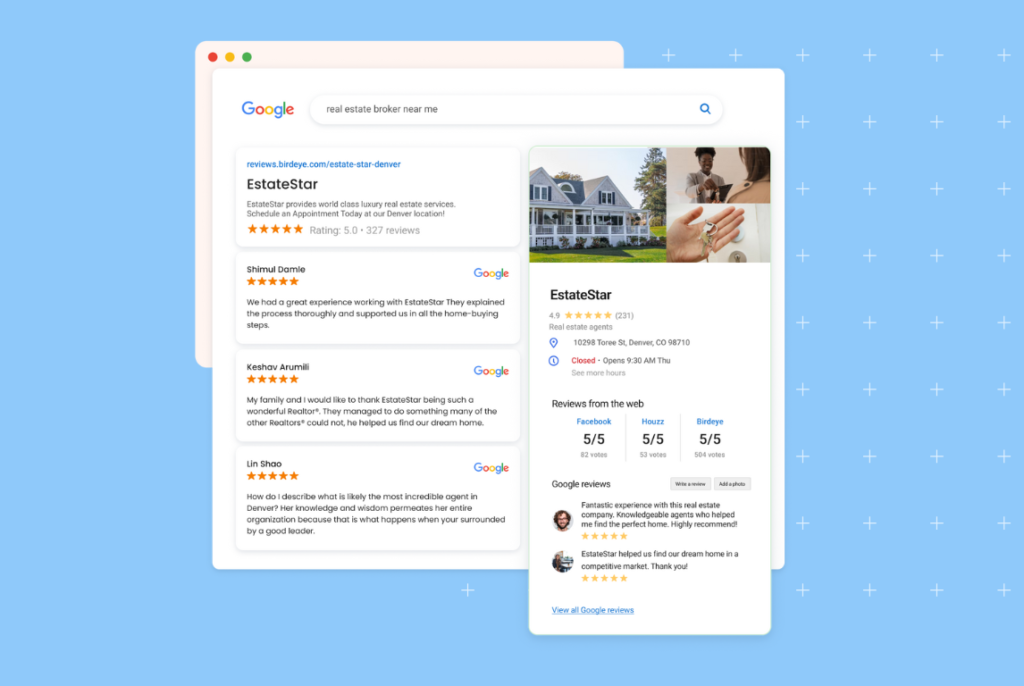
What often goes unnoticed is that Google does not wait for businesses to make mistakes. If profile data becomes stale, inconsistent, or incomplete, visibility can quietly decline. This happens most often through category drift, outdated hours, missing services, or unaddressed suggested edits.
At scale for multi-location brands, these issues compound across locations.
Manual profile management no longer holds up
For multi-location brands, managing Google Business Profiles manually becomes fragile very quickly. Local managers update fields inconsistently. Google suggests edits that go unnoticed. Duplicate listings appear. Temporary changes like holiday hours are missed or reversed.
Each of these issues creates small trust gaps. Over time, those gaps reduce how confidently Google surfaces the business in local results.
This is where Birdeye Listings AI becomes operationally relevant. Listings AI continuously scans profiles across core listing sites such as Google, Apple Business Connect, Yelp, Facebook, and other high-impact platforms to identify accuracy gaps, missing fields, category issues, and competitive weaknesses as they appear.
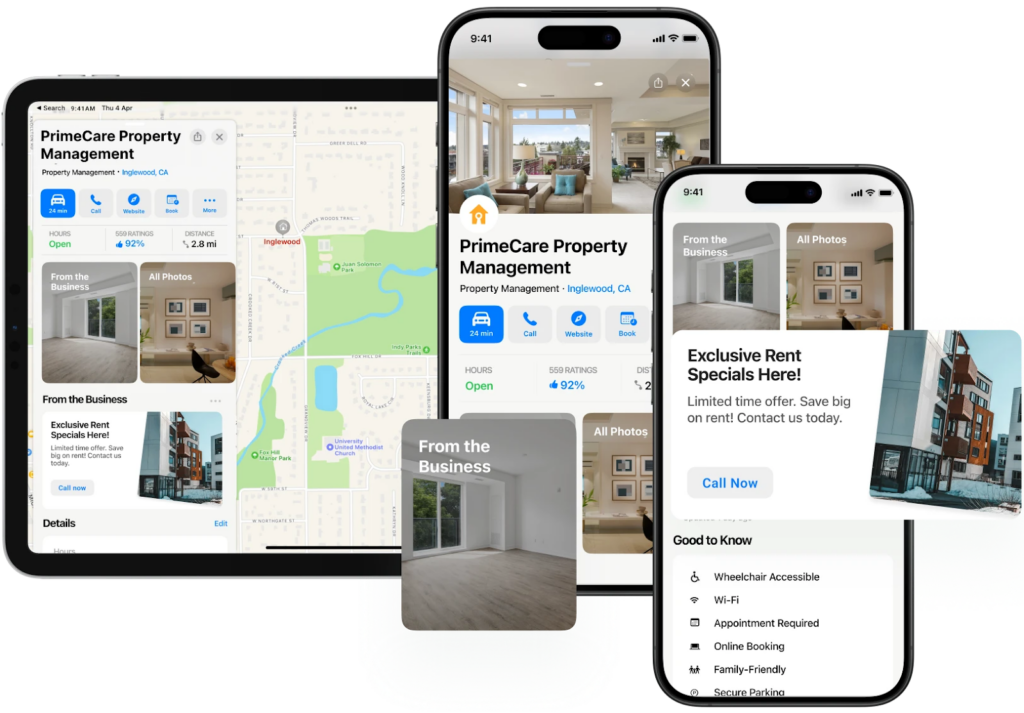
Instead of periodic audits, listings are monitored in real time and updated within defined brand guardrails
Birdeye’s Listings Optimization Agent analyzes competitor profiles, local market patterns, and keyword relevance to recommend specific updates that improve eligibility and ranking.
This includes identifying:
- Categories that unlock additional local visibility
- Services and attributes that align profiles with real search demand
- Description and content gaps that weaken relevance
- Duplicate listings that dilute authority
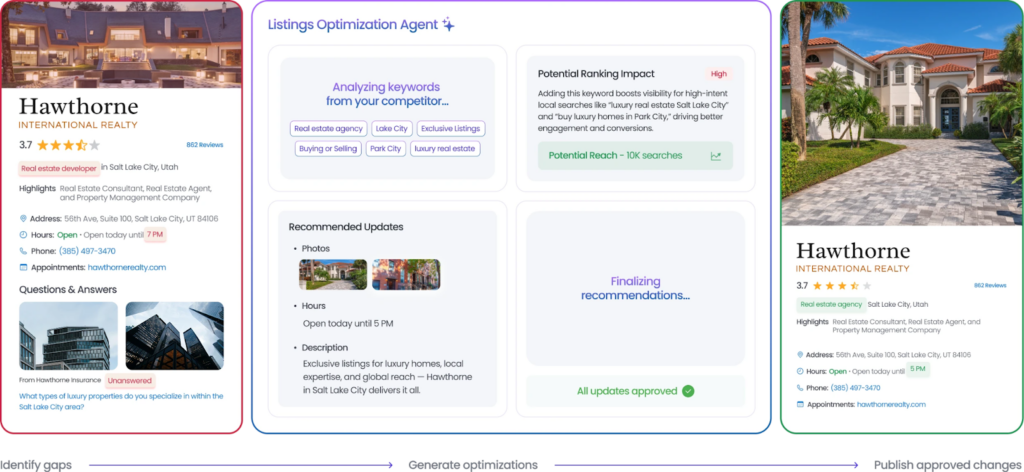
Updates are applied only after approval, ensuring consistency without sacrificing control. This approach shifts listing management from reactive cleanup to continuous optimization.
AI-driven answers are changing local business discovery
Local search no longer stops with Google Search and Maps. Customers increasingly ask AI engines questions such as “best dentist near me” or “emergency clinic open now,” and these systems retrieve answers from business profiles, citations, reviews, and third-party listings.
Adobe’s 2025 Digital Trends Report found a 35% year-over-year increase in generative AI-driven search queries, signaling rapid growth in AI-mediated discovery beyond traditional search engines.
Birdeye Search AI makes this layer visible and measurable, as it:
- Tracks how often brands and locations appear in AI-generated answers across platforms like ChatGPT, Gemini, and Perplexity.
- Shows why a business is or is not being cited by analyzing prompt themes, citation sources, and data accuracy across AI engines.
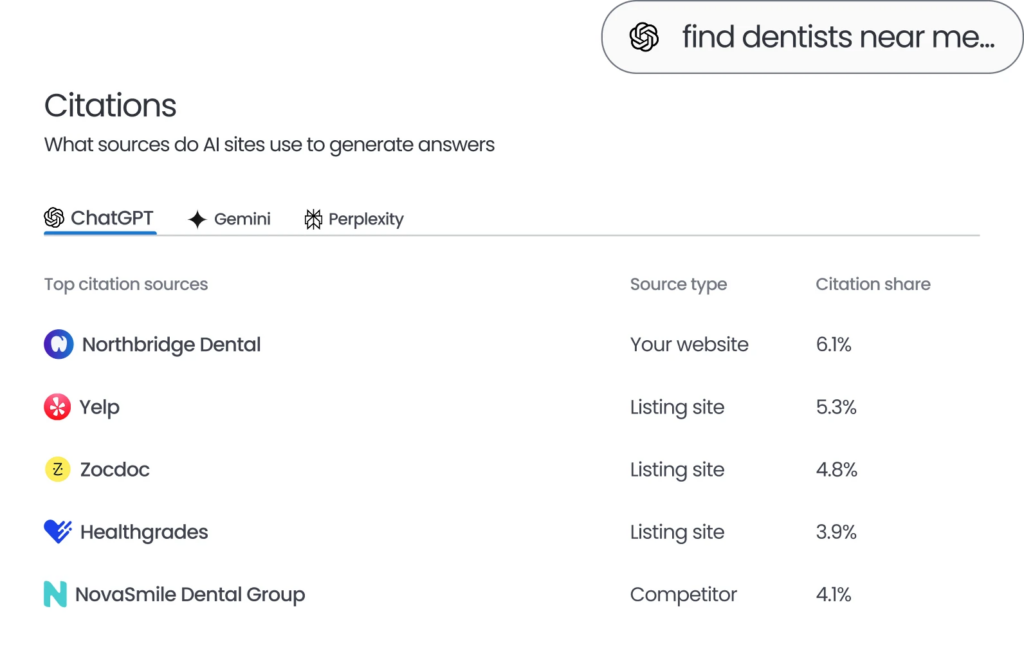
This matters because inaccurate business information does not just hurt Google’s visibility. It directly limits whether AI systems can recommend a business at all.
What this means for local SEO going forward
Google Business Profile is no longer just about ranking on Google. It is the foundation that feeds both traditional local search and AI-driven recommendations.
Businesses that treat profiles as static listings will continue to lose visibility quietly. Businesses that manage profiles as living assets, supported by continuous analysis and execution, are better positioned to stay visible across search surfaces that customers increasingly rely on.
This shift sets up the next critical discussion: how a business’s online reputation management influences trust and discoverability.
Reviews no longer sit at the end of the customer journey. They actively shape whether a business appears in local search results and recommendations in the first place.
Search systems use reviews to understand what a business actually delivers, how consistently it performs, and whether customers choose it over nearby alternatives.
Birdeye’s State of Online Reviews 2025 shows review volume is at an all-time high, with a 13% year-over-year increase—and Google capturing 81% of all reviews.
Why reviews and reputation now influence discoverability
Reviews no longer sit at the end of the customer journey. They actively shape whether a business appears in local search results and recommendations in the first place.
Search systems use reviews to understand what a business actually delivers, how consistently it performs, and whether customers choose it over nearby alternatives.
Reviews affect discoverability in several concrete ways:
- Review volume and velocity signal, ongoing demand, and business relevance
- Review content reinforces service and category relevance through customer language
- Recency helps search systems assess whether a location is active and reliable
- Owner responses signal engagement and accountability, influencing customer action
When these signals are weak or inconsistent, visibility is often reduced even if listings are accurate.
Do Google reviews affect local search rankings?

Yes. Google reviews directly drive local search rankings by feeding both relevance and prominence algorithms. High review counts, strong star ratings, consistent review velocity, and natural service keywords within customer feedback confirm business legitimacy and push listings higher in local pack results over inactive competitors.
Why review management is now an operational requirement
At scale, reviews vary widely across locations. Some locations accumulate strong feedback while others lag behind or remain unanswered. This imbalance weakens overall local presence and creates uneven visibility.
This is where Birdeye’s Reviews management tool fits naturally into local SEO management.
Reviews helps businesses:
- Generate reviews consistently
- Monitor sentiment patterns
- Surface recurring themes in customer feedback
- Respond at scale while maintaining brand standards
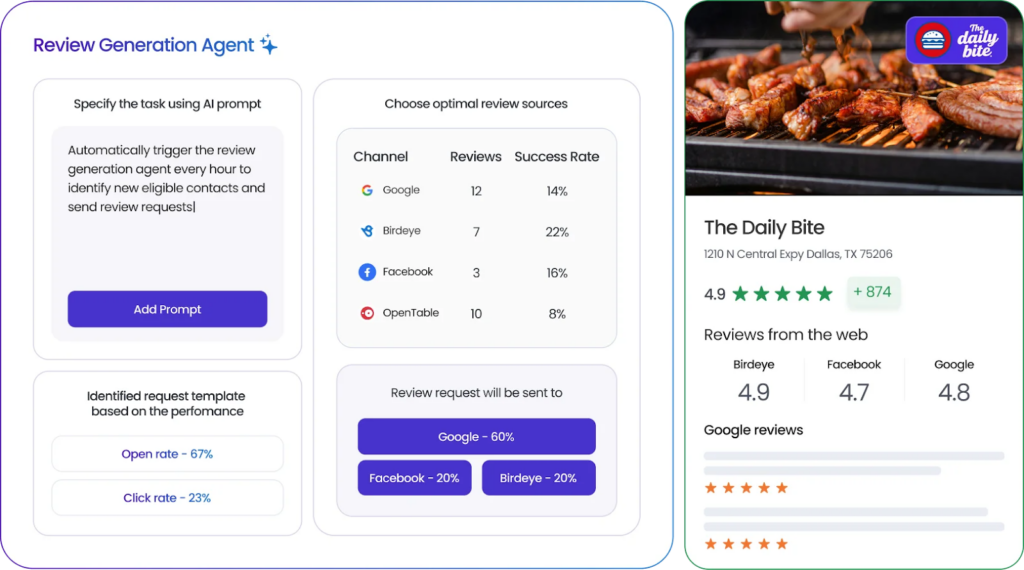
More importantly, it connects review activity back to visibility. Teams can see which locations are gaining relevance based on customer language and which are losing discoverability due to inactivity or negative patterns.
How should multi-location brands approach local SEO keyword strategy
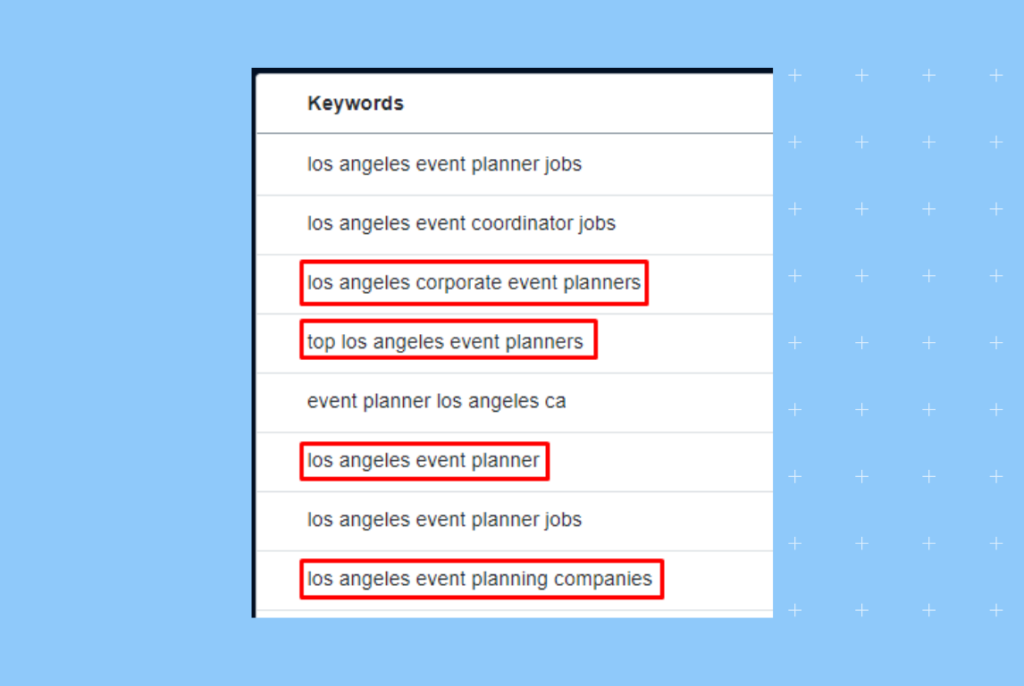
Local SEO keyword strategy is not about picking keywords from a tool and inserting them into content. It is about ensuring that every business location is eligible to appear in relevant searches and that search systems can clearly understand what each location offers.
For local SEO, keywords are expressed through business categories, services, attributes, listings data, and customer language, not just website pages.
This is why local SEO optimization begins with listing clarity.
A strong keyword strategy requires:
- Correct primary and secondary categories for each location
- Services and offerings that match real customer demand
- Consistent naming across all listing platforms
- Location level accuracy, not just brand level alignment
Reviews reinforce keyword relevance in local search
Listings tell search systems what a business claims to offer. Reviews confirm whether customers experience those services.
Customer language in reviews reinforces keyword relevance by:
- Highlighting specific services customers mention repeatedly
- Confirming category accuracy through real experiences
- Strengthening local relevance for competitive searches
This is why local SEO marketing cannot separate keyword and review strategies. When listings and reviews reinforce the same language, relevance strengthens naturally.
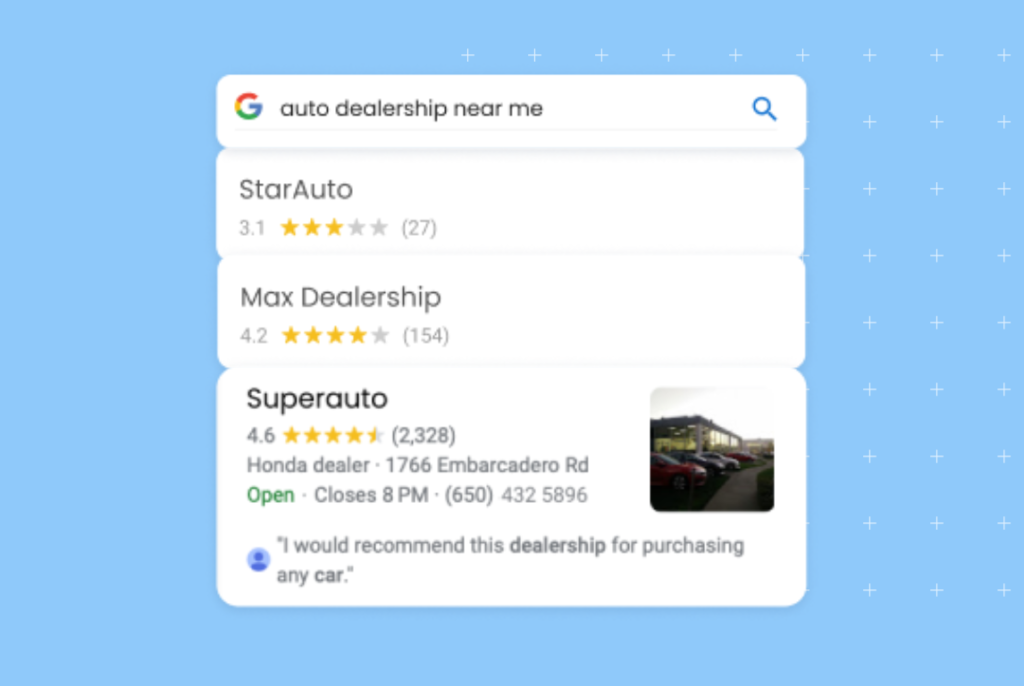
Take a look at the example above. The reviews for Superauto include the word “car dealership” and have helped the business rank in the top 3 results for a related keyword.
When you successfully align your keywords to your products, and Google identifies a product match, your business shows up in the Local map pack’s top three results.
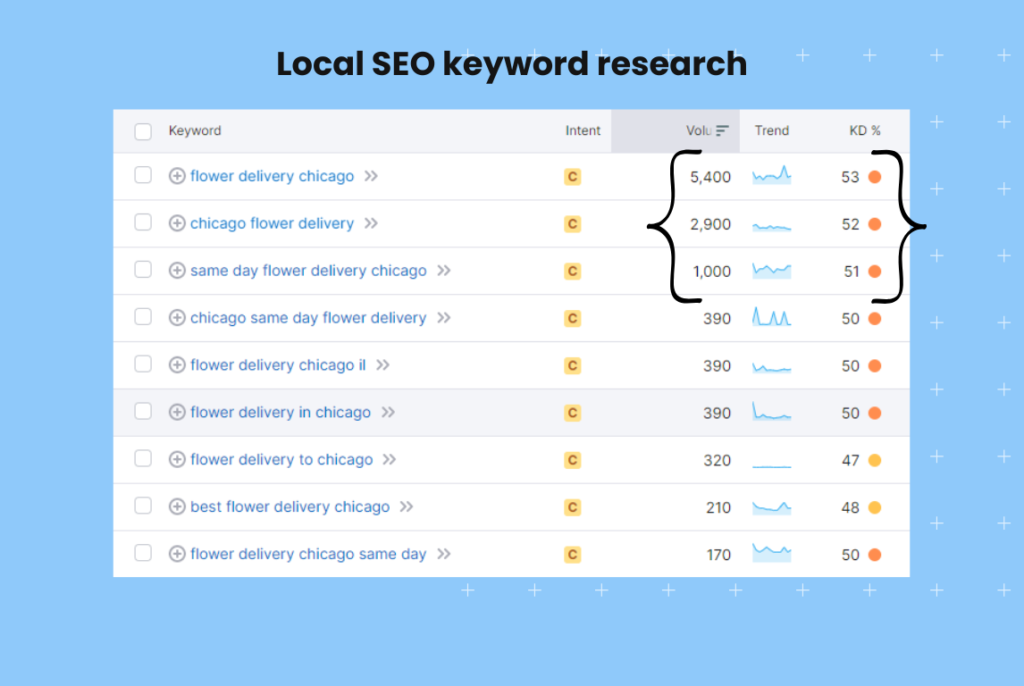
Search volume and difficulty
When choosing local SEO keywords, businesses should focus on two factors:
- Local demand: whether customers are actively searching for the service
- Competitiveness: how difficult it is for an individual location to appear
Keywords with little search activity rarely lead to visibility, while highly competitive terms may be unrealistic for many locations.
This is why local keyword strategy works best when it is tied to real market and category data. Tools like Birdeye Listings AI analyze local markets and competitor profiles to identify keywords that customers actually use when searching for nearby services.
This helps businesses prioritize keywords with meaningful local demand and realistic ranking potential, rather than relying on generic SEO tools.
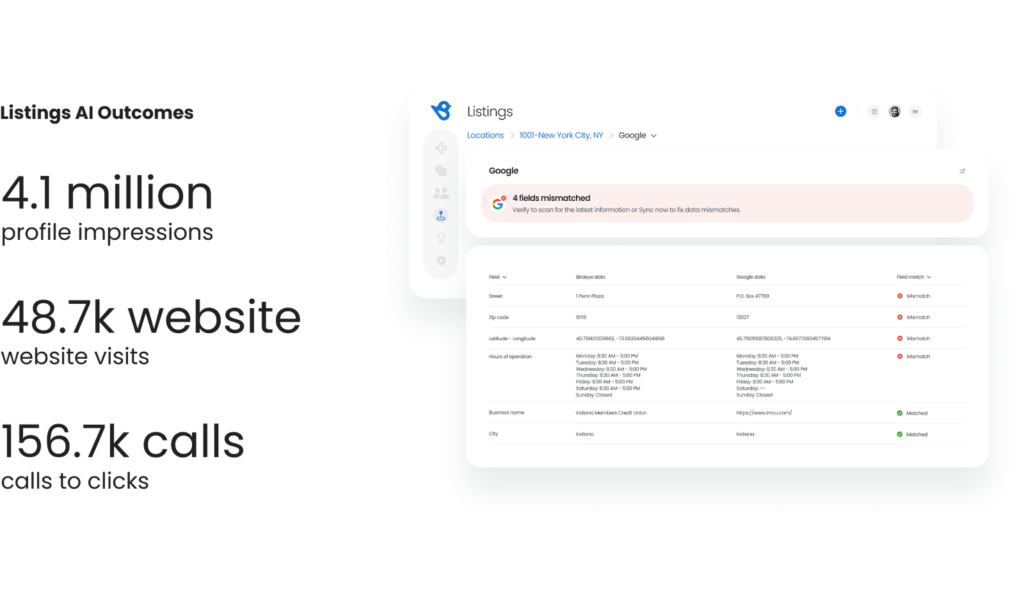
Here’s how Indiana Members Credit Union improved its local SEO with Listings AI
Indiana Members Credit Union (IMCU), with over 30 locations across Indiana, faced a common multi-location challenge. Managing listings and reviews manually across platforms created inconsistencies, slowed updates, and weakened visibility for individual branches.
IMCU needed a way to align keyword relevance, listing accuracy, and customer feedback across all locations without adding operational overhead.
By adopting Birdeye Listings AI, Reviews, and Insights AI, IMCU shifted kits eyword strategy from manual upkeep to centralized control.
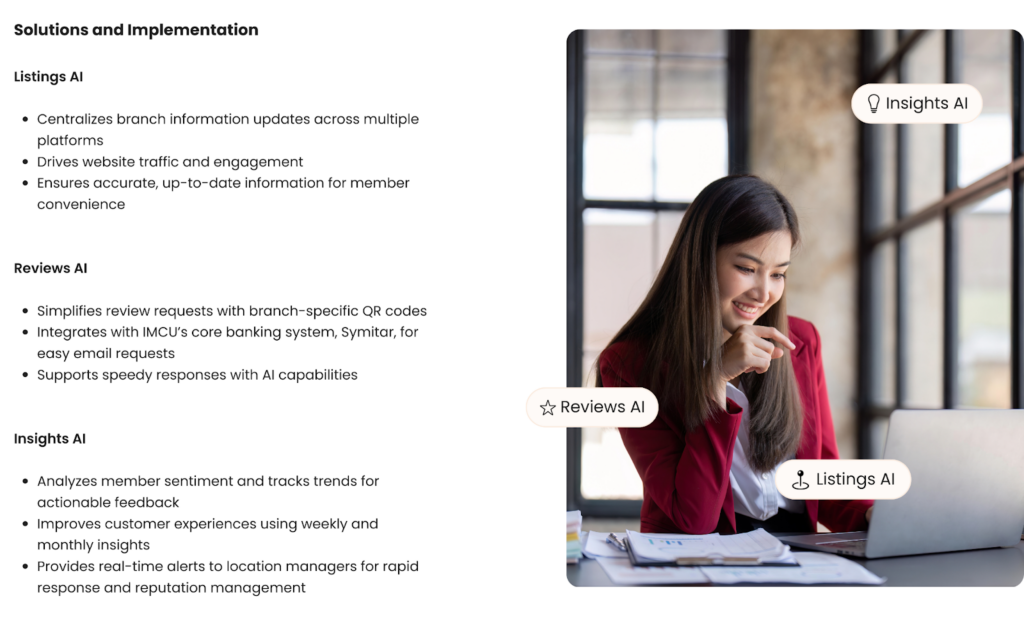
How Listings AI supported keyword strategy
- Centralized management across 30+ branches
- Instant updates for holidays and special hours across all listings
- Consistent service descriptions that aligned with member search intent
- Improved visibility on Google and secondary platforms like Apple Business Connect
What local SEO best practices actually improve visibility
Once the fundamentals of AI for local SEO success are in place, consistent execution becomes the difference between steady visibility and gradual decline. These best practices focus on actions that directly influence discovery, trust, and customer engagement.
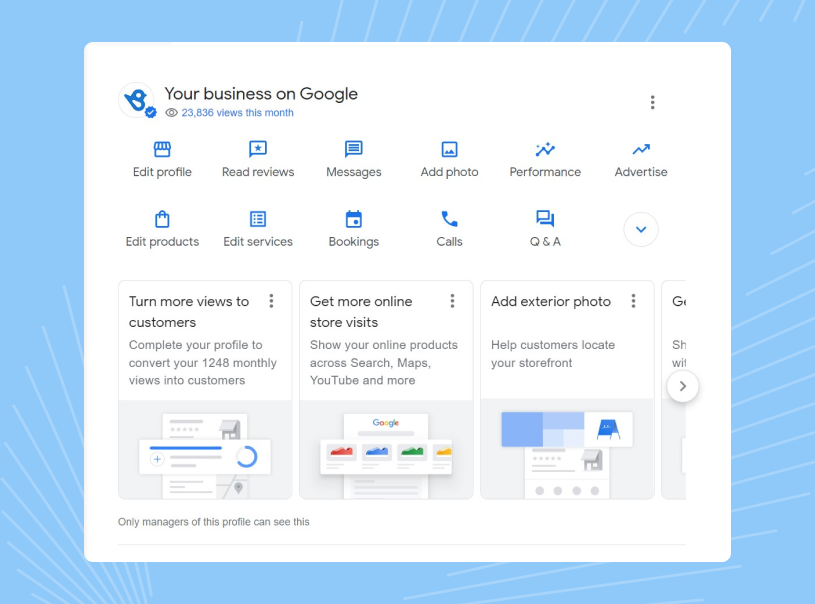
1. Optimize Google Business Profiles as an ongoing process
Google Business Profile optimization is not a one-time setup. Visibility depends on continuous accuracy, activity, and responsiveness.
Google Business Profile optimization includes:
- Maintaining accurate hours, including holidays and special schedules
- Using correct primary and secondary categories
- Keeping services and attributes complete and current
- Actively requesting and responding to reviews
- Monitoring questions and suggested edits
- Enabling messaging and appointment features where relevant
2. Treat local SEO audits as visibility health checks
Local SEO audits are not one-time exercises. They are recurring checks to identify where visibility is slipping and why.
A practical local SEO audit should review:
- Keyword coverage at the location level
- Competitor positioning in the local pack
- Profile accuracy and completeness
- Review volume, recency, and sentiment
- Citation consistency across key platforms
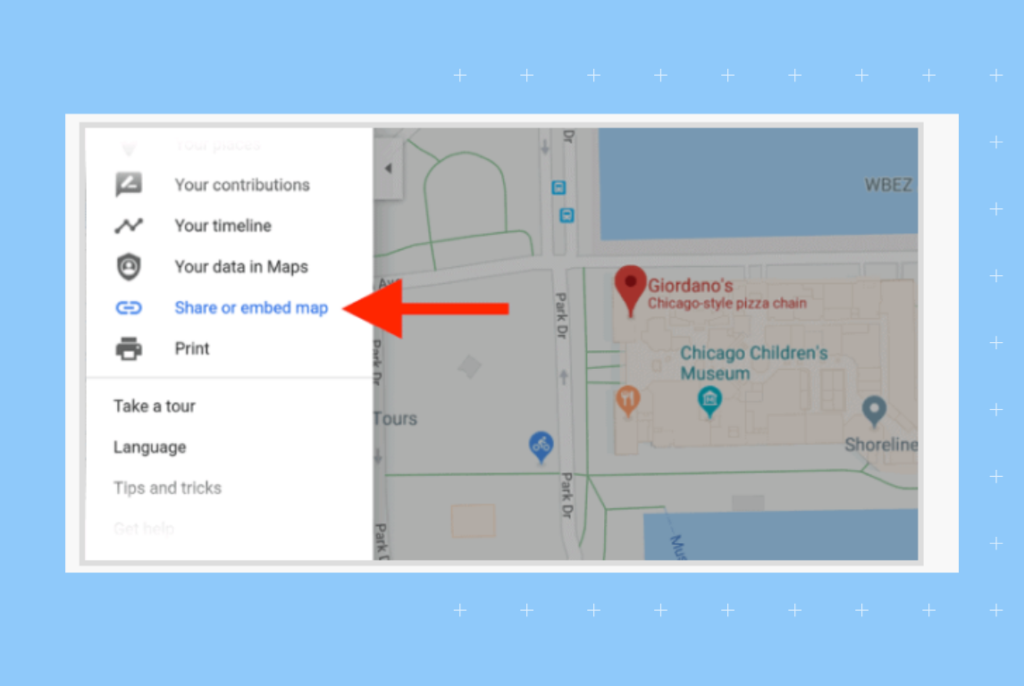
3. Create content that supports local relevance
Local content helps reinforce relevance, especially for competitive searches. This content should support listings, not replace them.
Effective local content includes:
- Location-specific local SEO landing page with clear service information
- Blogs tied to local events, services, or community involvement
- Pages that reflect how customers describe your offerings
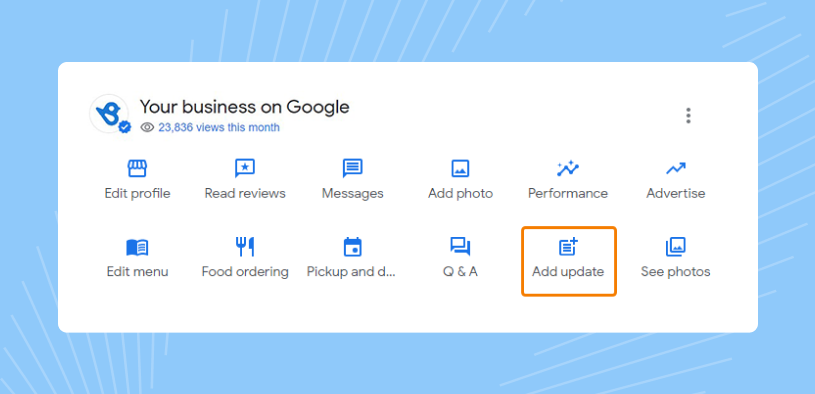
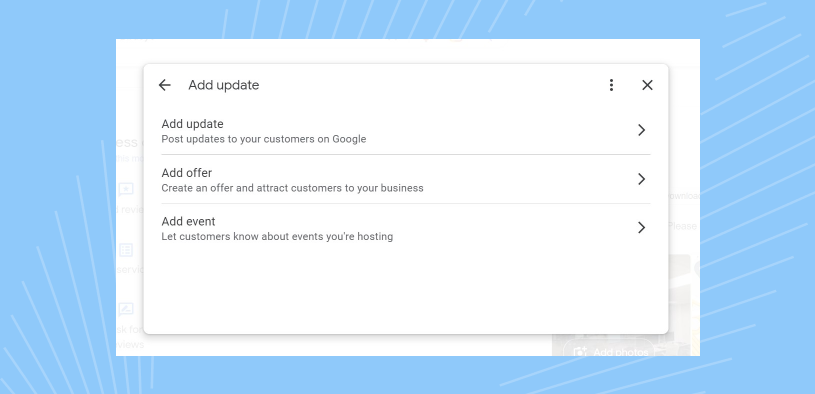
4. Use Google Posts to reinforce activity and engagement
Google Posts help keep business profiles active and informative. While they do not guarantee ranking gains, they influence engagement and trust.
Posting consistently helps reinforce that a business is current and responsive, so share:
- Updates to hours or services
- Promotions or limited-time offers
- Team highlights or milestones
- Community involvement
5. Ensure websites support local intent
Websites still play a role in local SEO, especially for validation and deeper research.
At a minimum, local websites should:
- Load quickly on mobile
- Clearly display location information
- Feature reviews or testimonials
- Make it easy for customers to contact or book
How a local SEO tool helps businesses stay visible
As local SEO becomes harder to manage across platforms and locations, relying on manual updates is no longer practical. A modern local SEO tool helps businesses maintain accurate listings, manage reviews, and monitor visibility from a single place.
Instead of reacting to issues after rankings drop, a local SEO tool surfaces gaps early. It makes it easier to keep business information consistent, respond to customer feedback, and maintain the signals search systems use to decide which businesses appear in local results.
This is especially critical as search engines rely more on generative answers. Without centralized control, data inconsistencies can create invisible revenue loss.
Platforms like Birdeye bring listings, reviews, insights, and search visibility together, helping businesses manage local SEO as an ongoing system rather than a set of disconnected tasks. This makes robust multi-location AI visibility governance an operational necessity rather than just a marketing tactic.
Frequently asked questions about local SEO
Yes, though you may only sometimes receive notifications depending on their settings and circumstances. In our experience, Google Business Profile may still notify you that you have a customer review.
To address this issue, your business can create a single listing with only one of the brand names or, alternatively, a unique listing for each brand at the same location.
Local SEO helps each location appear in relevant local searches instead of competing at the brand level. It improves visibility by aligning listings, reviews, and location data so nearby customers can find and choose the right branch.
Yes. Reviews influence both visibility and customer choice. Review volume, recency, content, and responses help search systems assess relevance and trust, while customers rely on them to decide which local business to contact.
Not always. Service-area businesses can appear in local search without showing an address. What matters most is accurate, verifiable business information, clear service areas, and consistent listings across platforms.
Yes. Many local conversions happen directly within Google through calls, directions, bookings, and messages. Website visits are no longer the only indicator of local SEO performance.
Why review management is now an operational requirement
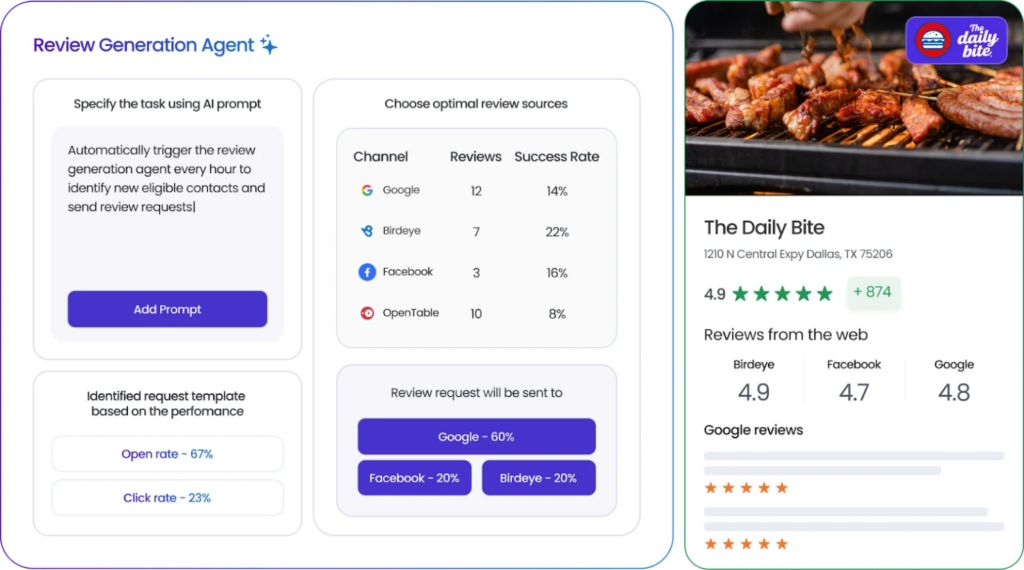
Reviews often vary across locations. Some locations consistently generate positive feedback, while others receive fewer reviews or leave customer feedback unanswered. Over time, this imbalance weakens local visibility, reduces trust, and creates inconsistent customer experiences across the brand.
This is where Birdeye Reviews Agent becomes an essential part of local SEO and reputation management. As the #1 agentic marketing platform for multi-location brands, Birdeye uses BirdAI and a unified data platform to help businesses centralize review management, improve response consistency, strengthen local visibility, and create better customer experiences across every location.
Birdeye helps multi-location brands manage reviews through dedicated AI agents:
- Review Generation Agent helps locations consistently generate fresh customer reviews by sending automated requests at the right time across channels.
- Review Response Agent helps teams draft and publish on-brand responses across Google, Yelp, and Facebook, making it easier to respond to every review without increasing manual workload.
- Reporting Agent automatically analyzes review performance across every location, surfaces trends, tracks key reputation metrics, and delivers actionable reports that help marketing and operations teams identify opportunities, measure impact, and make faster, data-backed decisions.
Together, these agents help brands:
- Generate more high-quality reviews across locations
- Respond quickly while maintaining a consistent brand voice
- Monitor sentiment trends and recurring customer issues
- Identify reputation gaps that affect local visibility
- Strengthen trust signals across search and review platforms
More importantly, Birdeye connects review activity directly to visibility performance. Brands can identify which locations are improving discoverability through strong engagement and customer feedback, and which locations may be losing search relevance due to inactivity, inconsistent responses, or unresolved negative sentiment.
Watch a free demo to learn more.

About the Author

Shruti Dugar
Birdeye
Originally published