Automotive marketing plays a critical role in today’s buyer journey. Today, car buyers use digital channels to research vehicles before ever contacting a dealership. This shows how online visibility, search presence, and digital content help attract the right buyers, build trust at every touchpoint, and convert interest into sales.
Summary

Automotive marketing today requires more than just ads, it’s about managing visibility, credibility, and engagement across every stage of the buyer journey. From search rankings and review platforms to content, social media, and events, each channel shapes how buyers discover and evaluate dealerships. A well-rounded marketing approach ensures dealerships remain visible, trustworthy, and relevant while guiding potential customers toward confident purchase decisions.
This blog outlines 13 actionable automotive marketing strategies that work together to drive leads, showroom traffic, and long-term growth. By implementing these strategies, dealerships can improve local visibility, strengthen customer relationships, and consistently boost sales results.
Table of contents
- What is automotive marketing?
- Why automotive marketing is critical in 2026
- How to build a robust automotive marketing plan in 2026
- 13 effective automotive marketing strategies for 2026
- How Birdeye supports automotive marketing efforts
- Frequently asked questions about automotive marketing
- Drive sales with automotive marketing
What is automotive marketing?
Automotive marketing refers to the various strategies and tactics dealerships use to influence how buyers discover, evaluate, and choose vehicles across digital and physical touchpoints. In 2026, automotive marketing is no longer limited to advertising inventory, it’s about shaping perception throughout the entire buying journey.
Effective automotive marketing ensures your dealership shows up consistently, communicates clearly, and stays top-of-mind at every decision stage, from initial research to post-sale loyalty.
Why automotive marketing is critical in 2026
The automotive buying journey has fundamentally changed. Buyers now control the pace, channels, and timing of engagement, and most decisions are made before a salesperson ever gets involved.
In 2026, automotive marketing matters because it helps dealerships:
- Stay visible across search engines, maps, review sites, and social platforms
- Build credibility through verified reviews and consistent brand messaging
- Reach buyers earlier in the research phase, not just at the point of purchase
- Compete effectively without relying solely on incentives or price cuts
As AI-powered search, comparison platforms, and online reviews increasingly influence buyer decisions, dealerships that apply intent-driven, experience-focused automotive marketing strategies are better positioned to generate qualified leads, increase showroom traffic, and protect long-term profitability.
How to build a robust automotive marketing plan in 2026
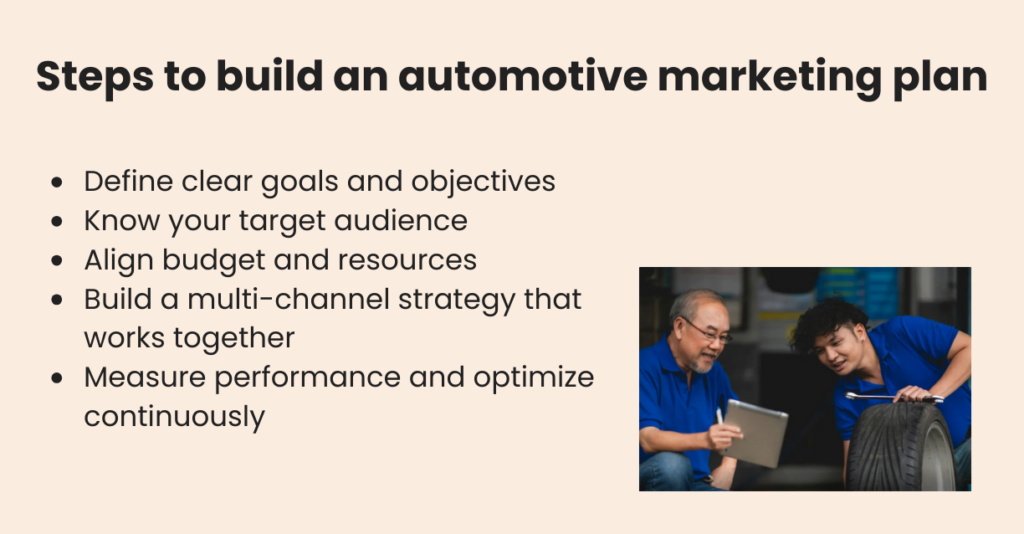
Developing a comprehensive automotive marketing plan is essential for businesses looking to succeed in the industry. A successful plan aligns audience insights, budget, and execution into a measurable automotive digital marketing strategy. Here are some of the key elements that should be included in an automotive marketing plan:
- Define clear goals and objectives
Before launching your automotive marketing plan, dealerships should define clear goals and objectives to achieve. These might include increasing brand awareness, generating more leads, improving showroom visits, boosting service appointments, or improving customer loyalty. By setting specific, measurable goals, you can track your progress and adjust your strategies to achieve desired results.
- Know your target audience
Understanding your target audience is critical to developing an effective auto industry marketing plan. This includes identifying their pain points and preferences, as well as their demographics such as age, location, and interests. By having an in-depth understanding of your target audience, you can tailor your marketing strategies to better solve their automotive needs and drive sales.
- Align budget and resources
By setting a budget and allocating resources effectively, you can ensure that you are making the most of your automotive marketing efforts. This includes identifying the resources you will need, such as staff, technology, and advertising platforms, as well as the costs associated with each.
- Build a multi-channel strategy that works together
Modern automotive marketing relies on multiple channels working in sync—not in silos. This includes a combination of digital marketing tactics, such as search engine optimization (SEO), pay-per-click (PPC) advertising, and social media marketing, as well as traditional marketing tactics like direct mail and referral marketing.
- Measure performance and optimize continuously
Finally, your marketing plan should include clear metrics and evaluation criteria. This includes identifying key performance indicators (KPIs) that you’ll track to measure your progress and methods for evaluating the success of your campaigns. By regularly evaluating your marketing plan, you can identify areas for improvement and make data-driven decisions to optimize your efforts.
Once your automotive marketing plan is ready, it’s time to apply proven automotive marketing ideas that support visibility and sales growth. To get you going, here’s our list of 13 strategies that are proven to increase brand awareness and automotive sales.
13 effective automotive marketing strategies for 2026
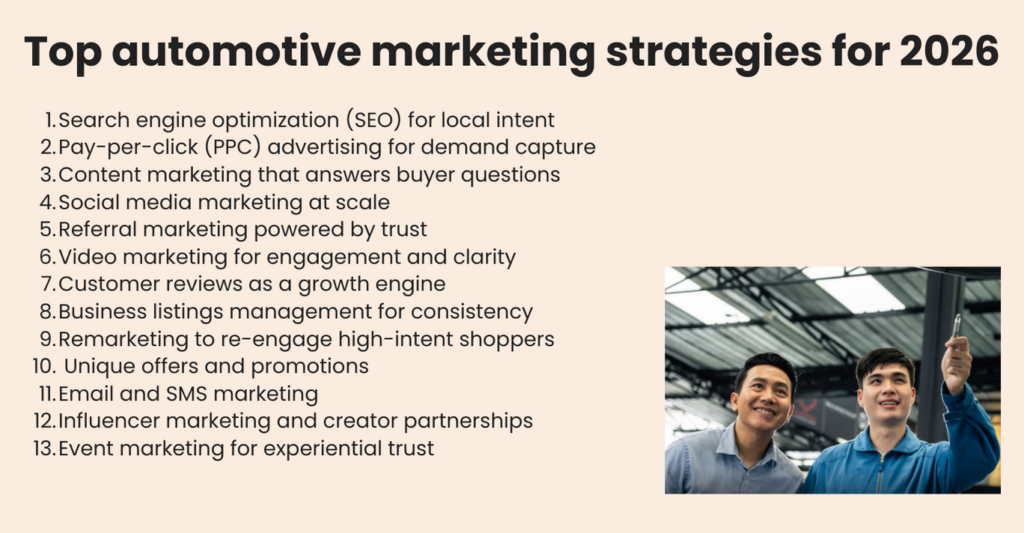
1. Search engine optimization (SEO) for local intent
SEO can play a critical role in automotive marketing by helping businesses improve their online visibility and attract more traffic to their website. By using targeted keywords and optimizing their website and content for specific audiences, businesses can attract more qualified leads. This can be especially important in the automotive industry, where customers have unique needs and preferences based on factors like their location, age, interests, and price.

2. Pay-per-click (PPC) advertising for demand capture
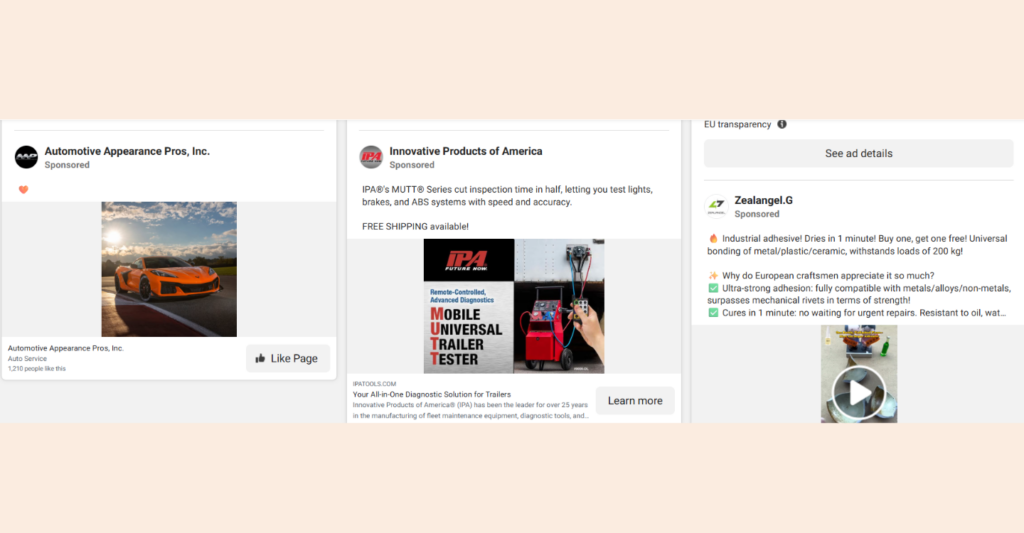
With PPC advertising, automotive businesses can target specific keywords and demographics to ensure their ads are shown to the right audience. Placing targeted ads on search engines and social media platforms can attract more qualified leads to their website faster and increase their chances of generating sales. It’s important to note that PPC requires a budget and should be carefully monitored to ensure maximum ROI.
3. Content marketing that answers buyer questions
Content marketing is an effective way for automotive businesses to increase website traffic and engage their audiences organically. Creating relevant content such as blog posts, videos, podcasts, or eBooks can help automotive businesses establish themselves as experts in their industry to build credibility for their brand.
4. Social media marketing at scale
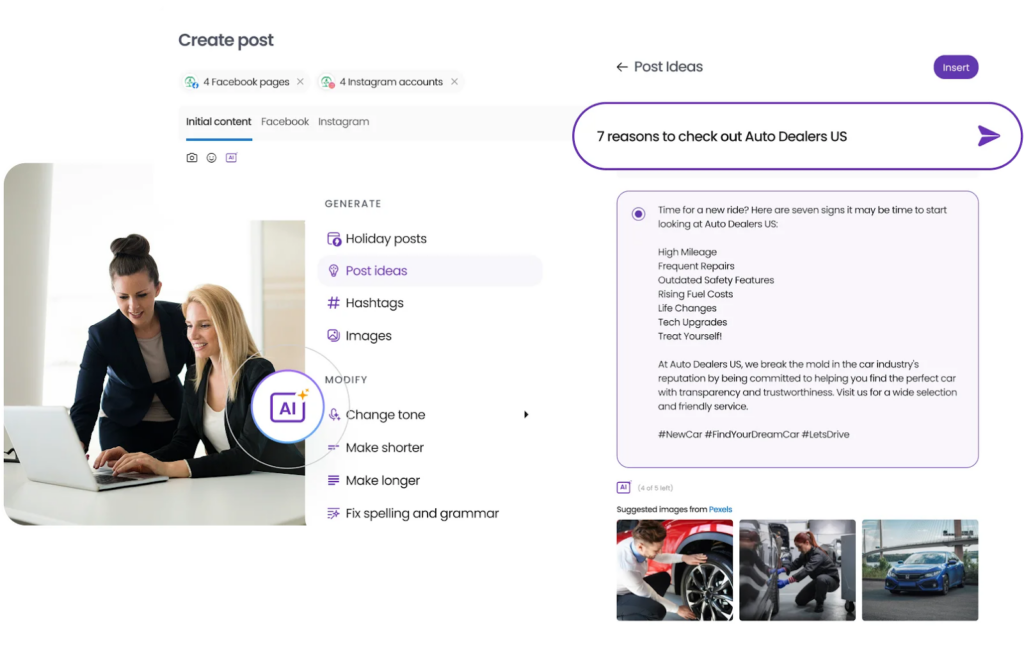
Creating engaging content on social media helps auto businesses grow their audience, extend reach, and build industry authority. Sharing user-generated content, responding to comments and messages, and running social contests also help dealerships strengthen customer relationships and encourage loyalty.
For multi-location brands, platforms like Birdeye Social AI help standardize content while allowing local flexibility without overwhelming teams.
5. Referral marketing powered by trust
Referral marketing turns satisfied car buyers into trusted advocates who deliver higher-converting, lower-cost leads. Birdeye’s referral marketing platform simplifies collecting and managing referrals for automotive dealerships.
Why referral marketing outperforms other channels
- Lower customer acquisition cost
Referral-driven customers cost significantly less to acquire than customers from paid or outbound channels. - Higher conversion rates
Prospects who come through referrals convert at much higher rates because trust is already established.
6. Video marketing for engagement and clarity
Video marketing allows automotive businesses to tell visual stories that can be more engaging and memorable than other forms of advertising. By showcasing their products and services in action, businesses can help potential customers understand how their offerings can meet their needs and solve their problems.
Here are some examples of video marketing:
- Product demonstrations
- Customer testimonials
- How-to videos
- Behind-the-scenes videos
- Event coverage
- Influencer collaborations
7. Customer reviews as a growth engine
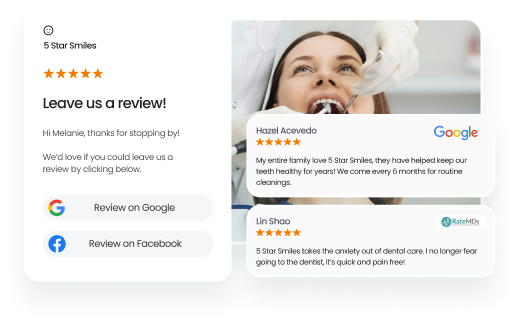
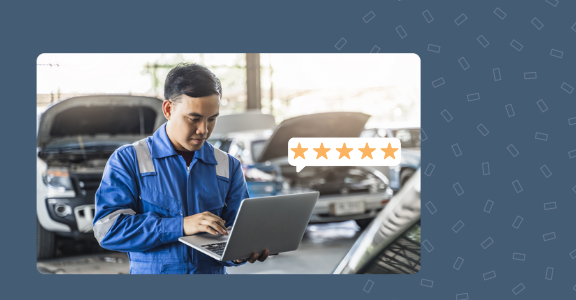
Customer reviews can help automotive businesses build trust and credibility around their brand. Reviews on car review sites like Google, cars.com, Edmunds, and DealerRater shape perception long before contact. When potential customers read positive reviews from satisfied customers, they are more likely to trust the dealership and feel confident in their purchasing decision
Birdeye is the #1 reviews management platform that can help you automate review generation, respond consistently, and maintain brand standards across locations.
8. Business listings management for consistency
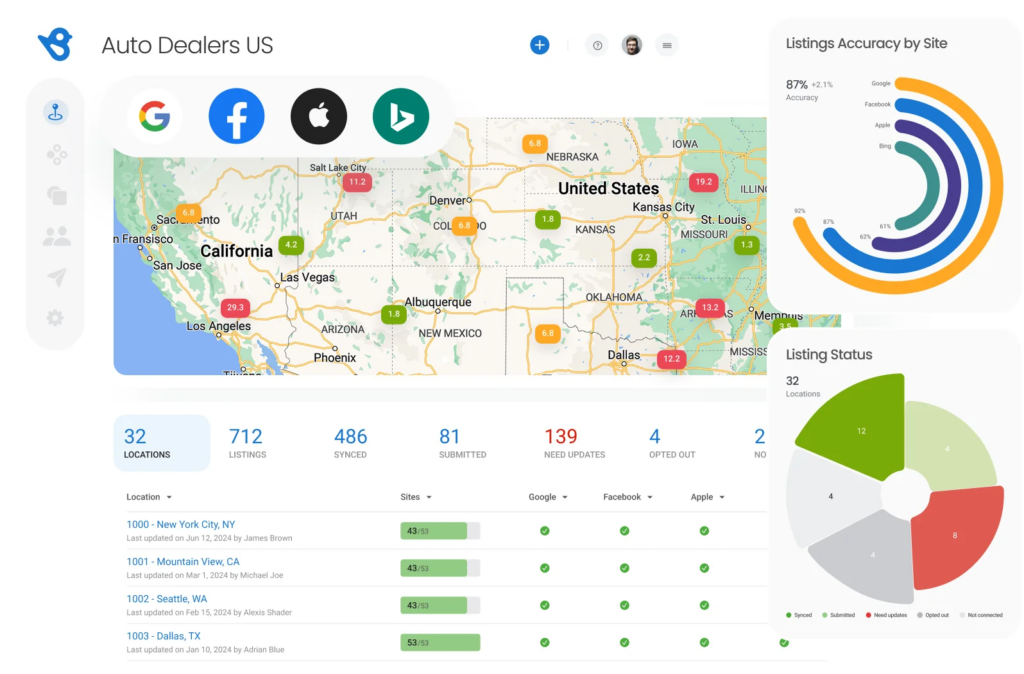
Business listings management helps automotive dealerships improve local search visibility and website traffic. Keeping Google Business Profile and other automotive directories accurate and consistent strengthens search rankings and enhances online reputation.
9. Remarketing to re-engage high-intent shoppers
Remarketing lets automotive dealerships re-engage car shoppers who viewed inventory, vehicle detail pages, or test drive offers. Ads can showcase the same model, similar trims, pricing updates, or dealer incentives. This keeps buyers engaged and improves lead conversions while maximizing ad spend.
Explore Top Automotive Marketing Strategies
Want to see the impact of Birdeye on your business? Watch the Free Demo Now.
10. Unique offers and promotions
Well-designed offers and promotions give buyers a clear reason to act, especially during the consideration and decision stages of the automotive buying journey. Rather than relying on discounts alone, effective promotions create urgency, reduce hesitation, and reinforce the value of choosing your dealership now instead of later. Some commonly used examples of offers include:
- Discounted maintenance services packages
- Cashback offers
- Trade-in promotions
- Free accessories
- Limited-time financing offers
11. Email and SMS marketing
Email and SMS marketing can be effective automotive marketing strategies for businesses looking to reach their target audience directly. By leveraging the power of personalized messaging and targeted communication, automotive businesses can improve the overall customer journey and achieve their marketing goals.
Here are some ways email and SMS marketing can be used for automotive businesses:
- Promoting new products and services
- Announcing special deals and discounts
- Providing maintenance reminders
- Requesting customer feedback
- Promoting events and promotions
- Offering personalized recommendations
- Delivering important updates
12. Influencer marketing and creator partnerships
Influencer marketing can help automotive businesses reach new audiences who may not be familiar with their products or services. By teaming up with influencers who have a large and engaged following, businesses can expand their reach, attract new customers, and increase their credibility.
Did you know?

Influencer partnerships don’t just expand reach—they generate authentic social proof and create a steady stream of user-generated content that dealerships can reuse across social, ads, and listings.
13. Event marketing for experiential trust
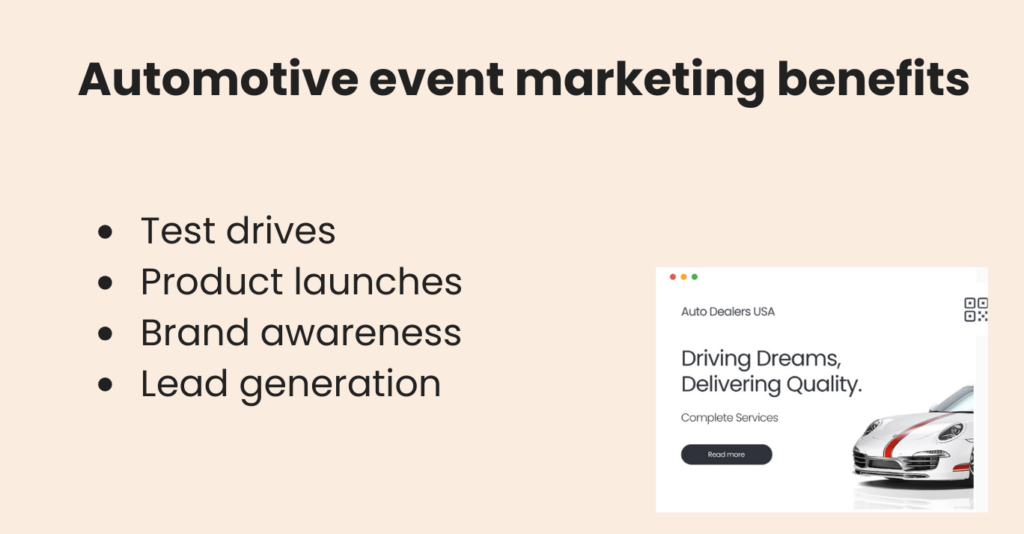
E Event marketing helps automotive businesses connect with buyers through hands-on, in-person experiences. It supports dealership growth in several practical ways:
- Test drives: Let prospects experience vehicles first-hand, helping move purchase decisions faster.
- Product launches: Create excitement and attention around new models or services.
- Brand awareness: Reach new audiences and leave a lasting impression through live engagement.
- Lead generation: Capture interested attendees and follow up after the event to drive conversions.
How Birdeye supports automotive marketing efforts
Birdeye is the #1 agentic marketing platform for multi-location automotive brands, built to replace fragmented marketing tools with one enterprise platform. By unifying customer data across reviews, listings, messaging, social, and feedback, Birdeye helps dealerships apply their automotive marketing strategies more consistently and act on buyer signals faster across all locations.
Strengthen local search visibility
Birdeye Listings AI keeps dealership information accurate across Google Business Profile and major directories. Consistent listings support local search rankings and help buyers find the right dealership during the research stage.
Turn customer feedback into sales signals
Birdeye Reviews AI automates review requests through dealer and shop management systems and supports fast, consistent responses with AI assistance. Active review management builds trust, supports SEO, and influences purchase decisions.
Keep conversations moving across channels
Birdeye Messaging AI brings text, email, social messages, and web chat into a single inbox. Centralized communication helps teams respond faster and manage leads more effectively.
Capture more leads from your website
Birdeye Chatbot AI engages website visitors in real time, answers common questions, and books appointments automatically, helping convert traffic into qualified leads.
Simplify social media marketing
Birdeye Social AI helps dealerships create, schedule, and manage social content across locations. AI-assisted posting supports consistent engagement without increasing workload.
Use insights to refine marketing decisions
Birdeye Surveys AI and insights tools summarize customer sentiment across locations, helping dealerships spot trends, improve messaging, and adjust automotive marketing efforts based on honest feedback.
For dealerships looking to apply these automotive marketing strategies at scale, having a single platform that integrates visibility, reputation, and customer communication can make execution more consistent across all locations.
Frequently asked questions about automotive marketing
An automotive marketer is responsible for developing and executing marketing strategies to promote a company’s automotive products and services. This includes creating campaigns, conducting customer and competitive research, leveraging digital channels for advertising, building relationships with key stakeholders, developing promotional materials, and managing budgets.
To successfully market in the automotive industry, it’s important to understand customer needs, stay up to date on competition and trends, create unique branded content, use data to measure performance and optimize campaigns, take advantage of digital channels and online advertising, and leverage influencer marketing where appropriate.
Automotive advertising is specifically aimed at promoting automotive products and services by creating digital and print campaigns, leveraging paid advertising, developing promotional materials such as videos, utilizing social media to reach target audiences, and conducting research on customer behavior.
Examples of vehicle marketing include: creating memorable taglines and slogans, using targeted digital campaigns such as PPC advertising, leveraging influencer marketing, engaging in email campaigns, offering incentives for test drives, and creating social media content to engage with customers.
Multi-location dealer groups can centralize listings, reviews, messaging, and performance tracking while allowing location-level customization to keep branding and local relevance consistent.
Customer reviews build trust, influence purchase decisions, and support local search visibility, making them a key factor in lead generation and dealership credibility.
Search engine optimization, paid search advertising, content marketing, social media, email and SMS campaigns, and online reviews deliver consistent visibility and qualified leads for dealerships.
Drive sales with automotive marketing
Automotive marketing in 2026 is about coordination, consistency, and credibility. Dealerships that connect search, reviews, social, ads, and follow-ups into one experience outperform those relying on isolated tactics.
Platforms like Birdeye help unify these efforts— supporting reviews, listings, social, messaging, and insights, so dealerships can scale marketing without sacrificing local relevance or customer trust.
Watch a demo to understand how Birdeye brings the above-mentioned automotive marketing strategies together in one platform.

About the Author

Vanjana Sharma
Originally published

![[Feature image] Starting a business in Australia-the complete roadmap for 2025](https://birdeye.com/blog/wp-content/uploads/Feature-image-Starting-a-business-in-Australia-the-complete-roadmap-for-2025-375x195.jpg)
![[Feature image] The Best Marketing Platforms for Multi-Location Brands](https://birdeye.com/blog/wp-content/uploads/Feature-image-The-Best-Marketing-Platforms-for-Multi-Location-Brands-375x195.png)