Google Business Profile optimization is no longer just a local SEO task. It directly influences how customers discover, evaluate, and engage with your business online.
Summary - For multi-location brands, visibility now depends on Google Search, Maps, “near me” discovery searches, and even AI-powered search experiences. Customers increasingly choose businesses based on profile quality, reviews, relevance, and accuracy rather than brand familiarity alone.

According to Birdeye’s State of Google Business Profile 2026 report, verified GBP profiles drive up to 4x more website visits than incomplete or unverified profiles. What’s more, 86% of GBP impressions now come from category-based and “near me” searches instead of branded searches.
This guide covers 15 proven Google Business Profile optimization strategies to help brands improve local visibility, strengthen customer trust, increase customer actions, and maintain accurate, high-performing profiles across every location.
Table of contents
- What is Google Business Profile optimization?
- Why Google Business Profile optimization matters in 2026
- 15 tips to help with your Google Business Profile optimization
- What does an optimized Google Business Profile look like?
- How Google Business Profiles influence AI-powered search visibility
- How Birdeye simplifies Google Business Profile optimization for multi-location brands
- FAQs on Google My Business optimization
- Improve Google Business Profile optimization and AI visibility with Birdeye
What is Google Business Profile optimization?
Google Business Profile optimization is the process of improving your business listing to increase visibility, customer actions, and local search performance across Google Search and Maps.
An optimized Google Business Profile, or GBP, involves several key actions: keeping your business information accurate, selecting the right categories, adding high-quality photos, generating recent reviews, updating hours, enabling bookings or messaging, and actively managing customer interactions through reviews, Q&A, and posts.
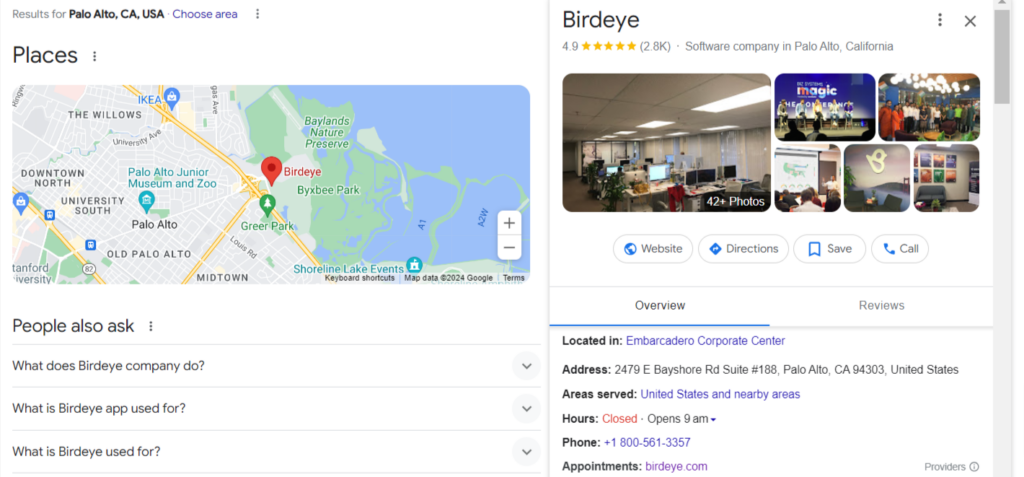
For multi-location brands, optimization also means maintaining consistency across locations while tailoring profiles to local search intent and customer needs.
A strong Google Business Profile improves visibility in “near me” searches, strengthens customer trust, and increases high-intent actions like calls, bookings, website visits, and direction requests.
Why Google Business Profile optimization matters in 2026
Google Business Profiles now influence far more than local rankings. For multi-location brands, these profiles directly impact customer discovery, operational consistency, local reputation, and conversion performance across every location.
Google’s search experience has also changed significantly over the last two years. AI Overviews, zero-click searches, and category-based discovery are reducing the number of clicks users make before choosing a business. Instead of browsing multiple websites, customers increasingly rely on the information Google surfaces directly within search results.
Here’s why Google Business Profile optimization has become a critical growth and visibility strategy for multi-location brands:
Scaling consistency across hundreds of customer touchpoints simultaneously
Every location has its own reviews, photos, hours, attributes, categories, booking links, and customer interactions. As multi-location brands scale, maintaining accurate and consistent profiles across locations becomes significantly more difficult.
Even small inconsistencies across listings can impact customer experience, search visibility, and conversion rates at scale.
Profile inaccuracies create operational and reputation risks
A single outdated holiday hour, incorrect phone number, duplicate listing, or broken appointment link can create immediate customer frustration and damage trust before someone even interacts with your business directly.
For enterprise brands managing multiple teams, regions, and franchise locations, these issues often compound quickly without centralized profile management and monitoring.

GBP content drives AI and zero-click visibility
Google directly surfaces essential business information within local packs, Maps results, AI Overviews, and other zero-click search experiences. Key data points such as reviews, services, photos, FAQs, business attributes, and profile activity all contribute to how businesses appear in search.

For multi-location brands, profile completeness and freshness now influence:
- Visibility in Google Search and Maps
- Discovery in “near me” and category-based searches
- Customer trust during high-intent searches
- Direction requests, bookings, and phone calls
- Visibility across AI-powered search experiences
15 tips to help with your Google Business Profile optimization
Google Business Profile optimization requires more than filling out basic business information. In this section, we’ll cover the most important strategies brands can use to improve profile accuracy, strengthen local visibility, increase customer actions, and maintain consistent business information across locations.

1. Audit your Google Business Profile listings regularly
The first optimization step is auditing your Google Business Profile by taking stock of what is currently displayed on your local listings.
A single inaccurate listing may seem minor and often go unnoticed until they start affecting your rankings or conversion performance. But imagine it across hundreds or thousands of locations–these inconsistencies can create large-scale operational and visibility problems.
A Google Business Profile audit helps identify gaps that directly impact local discovery, profile trust, and customer actions. The audit should review every location profile for:
- Business name, address, and phone number (NAP) consistency
- Incorrect or duplicate listings
- Missing business categories or attributes
- Outdated business hours or holiday schedules
- Broken booking or website links
- Missing photos, services, or FAQs
- Low review activity or unanswered reviews
- Inconsistent business descriptions across locations
- Profile completeness and verification status
Why do regular audits matter for multi-location brands?
Google Business Profiles constantly change. Customers suggest edits, location teams update information, business hours shift seasonally, and duplicate listings can appear without warning.
This volatility requires constant monitoring. Without regular proactive audits, multi-location brands struggle with:
- Reduced visibility in searches
- Conflicting business information across platforms
- Reputation risks from outdated profile details
- Lost conversions due to broken customer journeys

For example, an outdated holiday schedule across dozens of locations can quickly lead to negative reviews, lower trust, and unnecessary customer frustration.
How Birdeye simplifies GBP audits at scale
Birdeye is the #1 Agentic Marketing Platform built for multi-location brands. Powered by BirdAI and a unified data platform, Birdeye helps enterprise businesses manage listings, reviews, messaging, social, and customer interactions at scale through AI agents designed for local marketing execution.
Birdeye’s Listings Optimization Agent helps brands continuously monitor and optimize Google Business Profiles from a centralized dashboard. Teams can:
- Identify duplicate listings
- Detect profile inconsistencies
- Monitor listing health
- Update business information
- Maintain accurate data across hundreds or thousands of locations

Instead of manually managing spreadsheets or disconnected workflows, teams can continuously audit profile accuracy, visibility, and customer-facing information from a single operational system.
2. Claim and verify every business location
Claiming and verifying your Google Business Profiles gives your brand control over how business information appears across Google Search and Maps.
Unverified profiles are more vulnerable to unauthorized edits, duplicate listings, incomplete information, and visibility issues. For multi-location brands, these problems become harder to monitor as the number of locations grows.
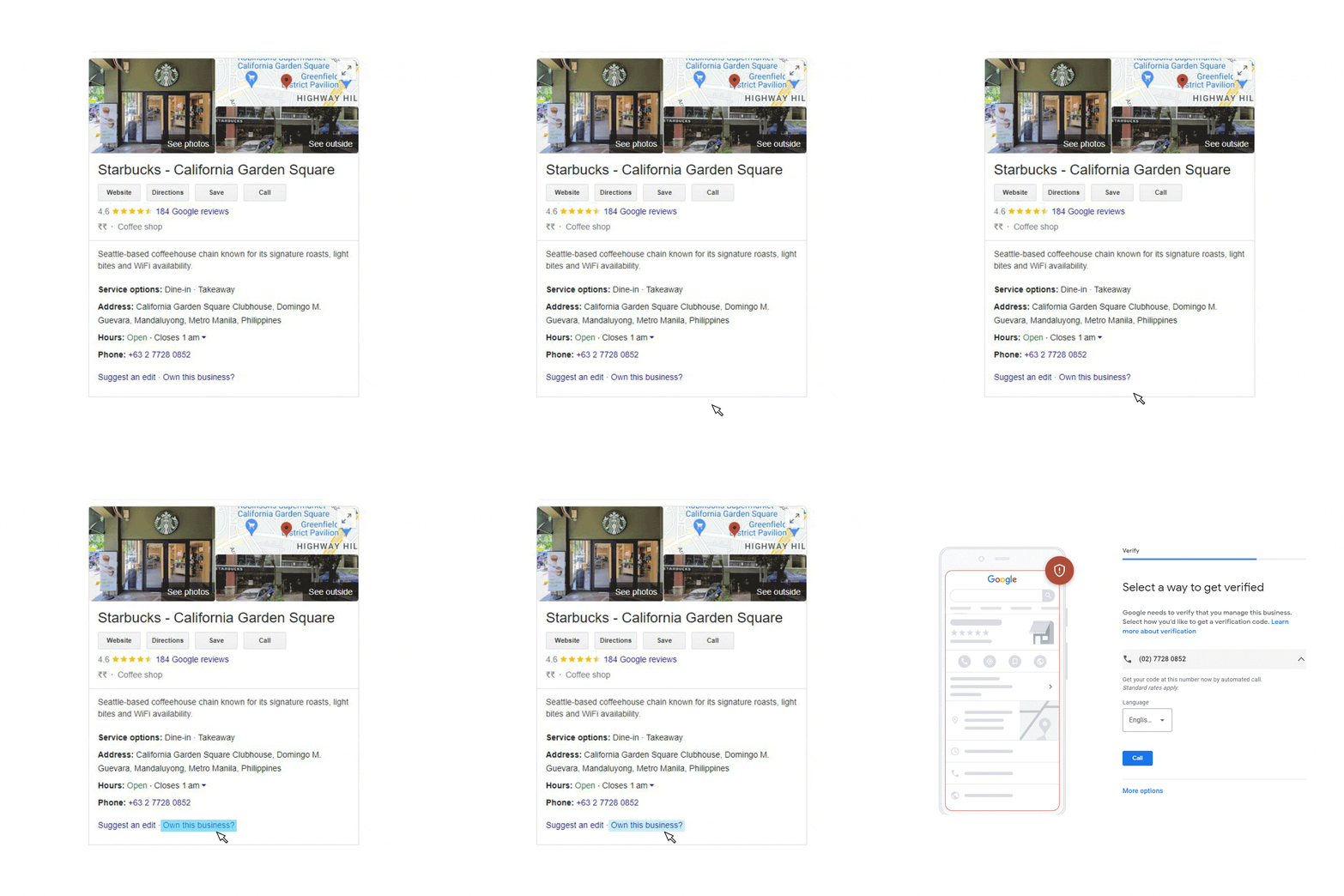
According to Birdeye’s State of Google Business Profile 2026 report, verification has become the baseline for local visibility, with verified profiles driving significantly higher engagement and customer actions.
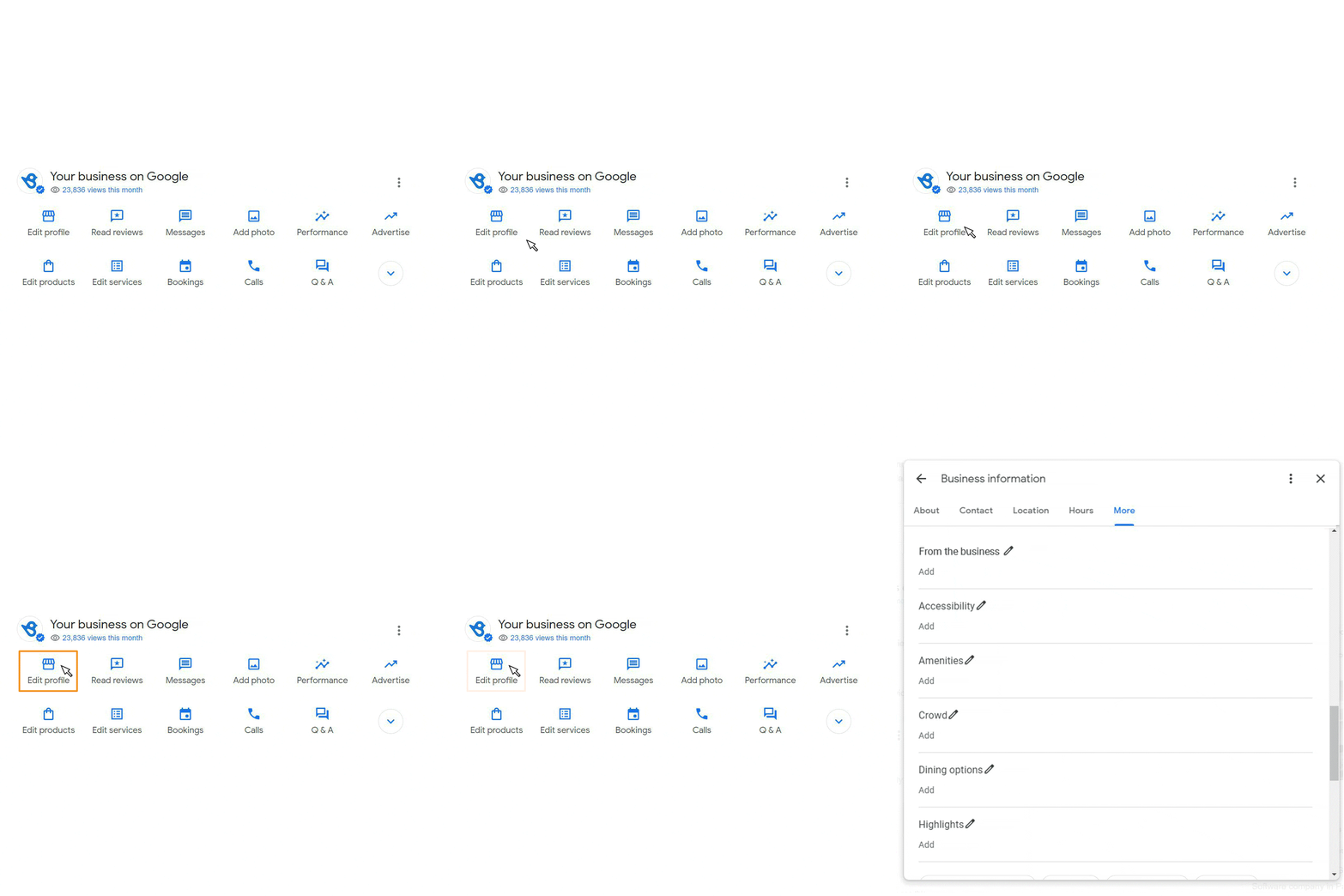
3. Keep business information accurate across locations
As brands scale across locations, even minor location updates, seasonal changes, franchise edits, and duplicate listings can quickly create conflicting information across profiles.
Accurate business information helps customers find, contact, and visit your business without confusion. It also helps Google confidently surface your profiles across Search, Maps, and “near me” results.
Your Google Business Profiles should consistently include:
- Business name, address, and phone number (NAP)
- Store hours and holiday schedules
- Website and booking links
- Business categories
- Services and attributes
4. Choose the right primary and secondary categories
Business categories help Google understand what your business offers and when your profiles should appear in relevant searches.

Your primary category has the biggest influence on local search visibility, while secondary categories help Google connect your business to additional services and customer intents.
For example, a dental practice may use:
- Primary category: Cosmetic Dentist
- Secondary categories: Dental Implants Provider, Emergency Dental Service, Pediatric Dentist
Choosing broad or inaccurate categories can reduce discovery opportunities for relevant searches.
When optimizing your Google Business Profile categories:
- Select the most specific primary category possible
- Add secondary categories that reflect core services
- Avoid irrelevant or excessive category additions
- Review categories regularly as services evolve
5. Write localized business descriptions
Your business description should clearly explain what each location offers, who it serves, and what makes it different.
Avoid using the same generic description across every profile. Location-specific descriptions help customers understand relevant services, specialties, and local context more quickly.

A strong business description should include:
- Primary services or offerings
- Local specialties or differentiators
- Relevant location context
- Important keywords naturally
For example, a healthcare brand may highlight:
- Walk-in availability at one location
- Pediatric care at another
- Extended evening hours in high-traffic areas

Keep descriptions concise, readable, and customer-focused. Overloading descriptions with keywords can make profiles look unnatural and harder to read.
6. Add high-quality photos and videos consistently
Photos and videos help customers understand what to expect before they visit a location, book a service, or contact your business.
Profiles with updated Google Business Profile photos are visually appealing and appear more active and credible than listings with outdated or limited media.
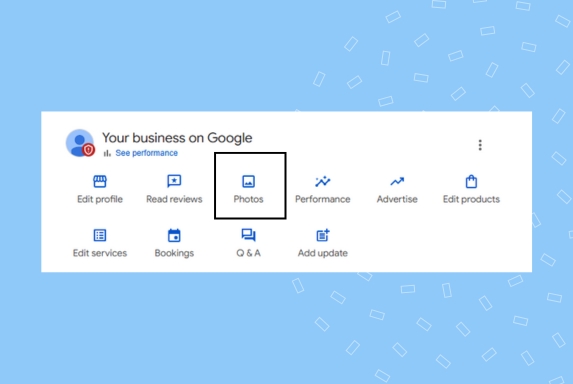
Focus on adding:
- Exterior and interior photos
- Team or staff images
- Product or service visuals
- Waiting areas, amenities, or facilities
- Short videos showcasing customer experience
Keep visuals recent and location-specific whenever possible. Using the same stock-style images across every profile can make listings feel less authentic.
According to Birdeye’s State of Google Business Profile 2026 report, the average verified GBP profile still has fewer than one image, creating a major opportunity for businesses that consistently maintain fresh visual content.
7. Generate recent customer reviews continuously
Recent reviews signal that your business is active, responsive, and consistently serving customers.
A strong review management strategy should focus on generating a steady flow of authentic customer feedback across locations instead of collecting reviews in occasional bursts.

Encourage customers to leave reviews after:
- Appointments or purchases
- Completed services
- Support interactions
- In-store visits
Make the process simple by using:
- SMS review requests
- Email campaigns
- QR codes
- Direct review links
According to Birdeye’s State of Google Business Profile 2025 report, one additional review is associated with 80+ website visits, 63+ direction requests, and 16+ calls on average.
For businesses managing multiple locations, maintaining consistent review activity across every profile helps prevent visibility gaps between locations with strong engagement and locations with limited customer feedback.
8. Respond to reviews quickly and professionally
Responding to reviews consistently shows customers that your business pays attention to feedback and actively engages with customer concerns. It also helps businesses manage reputation issues before they escalate publicly across locations.
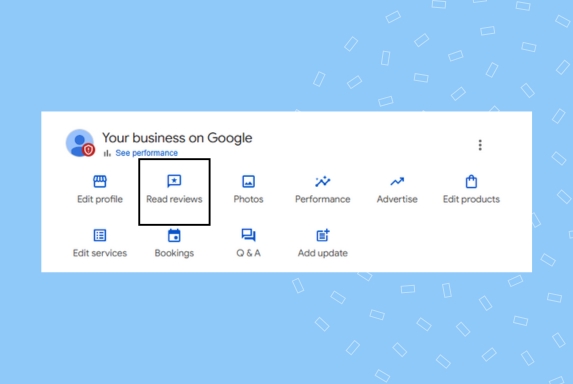
When replying to reviews:
- Thank customers for positive feedback
- Address concerns professionally and empathetically
- Avoid generic copy-paste responses
- Respond promptly to negative experiences
- Maintain a consistent brand voice across locations
For businesses managing large review volumes, response consistency can quickly become difficult across teams and regions.

Birdeye’s Reviews AI helps businesses generate brand-aligned review responses at scale while maintaining human oversight for sensitive or high-risk interactions. Multi-location teams can centralize review management, monitor sentiment trends, and maintain faster response times across locations from a single platform.
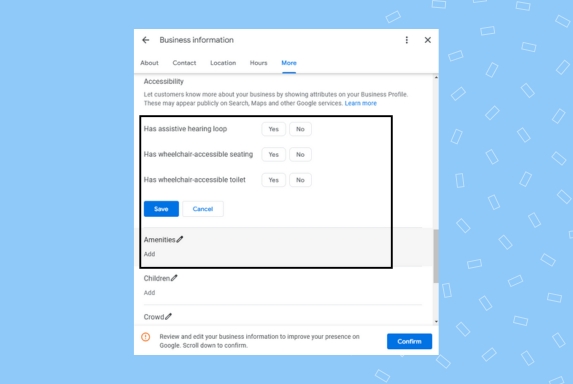
9. Optimize business attributes
Business attributes help customers quickly understand what your locations offer before they take action.
Attributes can highlight important details like:
- Wheelchair accessibility
- Parking availability
- Outdoor seating
- Women-led or veteran-led business status
- Payment options
- Appointment requirements
Services allow businesses to showcase specific offerings directly within their profiles, helping customers compare options more easily during local searches.
Businesses should also maintain consistent service information across their websites using Local Business Schema markup. Structured data helps search engines better understand business offerings, service availability, and location-specific details.
10. Feature products and services directly on your profiles
Products and services help customers understand what your business actually offers before they visit your website or contact a location.
Instead of relying only on a business description, businesses can showcase:
- Individual services
- Product categories
- Pricing details
- Service availability
- Featured offerings
This becomes especially important in competitive local searches where multiple businesses appear with similar ratings and categories.
Detailed product and service listings can help businesses stand out by giving customers more decision-making information directly inside search results.
For businesses with multiple locations, featured services can also highlight location-specific offerings, seasonal services, or regional specialties more clearly.
Google increasingly surfaces products and services directly inside search experiences, making them an important differentiator for local discovery and customer consideration.
11. Add social media profiles and external business links
Customers often look beyond Google Business Profiles before deciding whether to trust a business.

Adding your social media platforms links helps customers:
- Explore recent updates
- View customer interactions
- Evaluate brand activity
- Verify business legitimacy across platforms

Active social profiles also create stronger digital consistency across your online presence.
Consistent business information across websites, directories, and social platforms helps search engines better understand and validate your business identity online.
12. Keep business hours updated year-round
Outdated business hours are one of the fastest ways to create customer frustration and negative experiences.
Customers often rely on Google Business Profiles for:
- Holiday schedules
- Weekend timings
- Seasonal hours
- Special event closures
- Temporary operating changes

Even a small mismatch between listed hours and actual availability can lead to missed visits, poor reviews, and unnecessary support calls.
To make your business listing management fruitful across multiple locations, create a process for updating:
- Holiday hours
- Emergency closures
- Seasonal schedule changes
- Temporary service interruptions
13. Use Google Posts to maintain profile activity
Google Posts help businesses share timely updates directly through their Google Business Profiles. Consistent, regular posting helps keep profiles active and gives customers more reasons to engage with your brand directly from Search and Maps.

Use Google Posts to communicate key information, such as:
- Promotions or seasonal offers
- Events and announcements
- New services or products
- Community initiatives
- Limited-time updates
To maximize local relevance, avoid publishing generic updates. Instead, tailor posts based on local events, promotions, or customer interests whenever possible.
For businesses managing multiple locations, creating and scheduling posts centrally can help maintain consistency while reducing manual work across teams.
14. Enable bookings and customer actions
Your Google Business Profile should make it easy for customers to take action without leaving search results. Features like bookings, calls, and direction requests are crucial conversion elements that reduce friction and help customers connect with your business faster.

Depending on your business type, enable:
- Appointment booking links
- Call buttons
- Website actions
- Food ordering or reservation links
Review these customer action paths regularly to ensure links, integrations, and booking flows are working properly across locations.
For businesses with multiple teams or locations, broken booking links or outdated contact workflows can quickly impact customer experience and lead generation.
15. Track profile performance and optimize continuously
Google Business Profile optimization is not a one-time task. Regular performance tracking contributes to a business’s entire online reputation management.
Customer behavior, search trends, reviews, and location activity change constantly throughout the year, so if you can identify:
- High-performing locations
- Profiles with declining engagement
- Review and response trends
- Changes in customer actions
- Visibility gaps across locations
And monitor metrics like:
- Website clicks
- Calls and direction requests
- Booking actions
- Review volume and sentiment
- Search impressions and discovery trends

According to Birdeye’s Local Search Accuracy Benchmark report, Google and Bing delivered the highest valid-listing accuracy compared to AI search tools and LLMs, reinforcing the importance of maintaining accurate, actively managed business profiles.
For enterprise businesses, centralized reporting and profile monitoring help teams identify performance gaps faster and maintain consistent optimization across locations.
Optimize multi-location Google Business Profiles with Birdeye
Want to see the impact of Birdeye on your business? Watch the Free Demo Now.
What does an optimized Google Business Profile look like?
A well-optimized Google Business Profile provides customers with complete, accurate, and decision-ready information directly in search results.
Instead of searching across multiple websites or directories, customers should be able to quickly understand:
- What your business offers
- Whether a location is active and trustworthy
- How to contact or visit the business
- What makes the location different from competitors
The difference between optimized and unoptimized profiles is often immediately apparent. Here’s a comparison between an optimized and an unoptimized Google Business Profile:
| Profile Element | Optimized GBP | Unoptimized GBP | Search & AI Visibility Impact |
| Business information | Accurate hours, contact details, and links | Missing or outdated information | Reduces confusion and improves profile reliability |
| Reviews | Recent reviews with active responses | Low review activity or unanswered reviews | Helps businesses appear more active and trustworthy |
| Photos and videos | Updated, location-specific visuals | Few or outdated images | Improves customer engagement and profile quality |
| Categories and services | Clearly defined services and categories | Broad or incomplete categorization | Improves relevance for local discovery searches |
| Products and attributes | Detailed offerings and amenities | Minimal business details | Gives customers better decision-making information |
| Profile activity | Regular posts and profile updates | Inactive or rarely updated profiles | Signals ongoing business activity |
Let’s understand from an example too:
The following Google Business Profile has a higher average star rating but very few reviews. The business hasn’t optimized its profile attributes and the Q&A tab. Also, the customer reviews are older, giving the entire listing a very lackluster appeal.

In contrast, with a 4.8-star rating, the following profile has more reviews, an active appointment link, a website address, a Google Posts section, a Q&A section with responses, and very recent patient reviews.

That’s why the second profile ranks higher on Google Maps than the other.
How Google Business Profiles influence AI-powered search visibility
AI-powered search experiences are changing how businesses appear in local search results. Instead of only displaying links to websites, search engines increasingly generate direct answers using business listings, reviews, services, and structured profile information.
This shift is driving greater focus on:
- Generative Engine Optimization (GEO)
- Answer Engine Optimization (AEO)
- AI search indexing
- AI search attribution
For brands, this means Google Business Profiles are no longer just local listings. They are becoming important data sources that help AI tools understand, verify, and recommend businesses during local searches.
Birdeye Search AI also helps brands understand how they appear across AI-powered search experiences (like ChatGPT, Gemini, and Perplexity), including AI-generated answers, local recommendations, and conversational search results.
Instead of tracking only traditional rankings, they can monitor:
- AI search visibility
- Brand mentions across AI-generated results
- Local search presence
- AI-driven customer discovery trends
- Competitive positioning in AI search experiences

Reviews and profile activity influence business recommendations
Recent reviews, updated photos, active profile management, and detailed business information help search engines better interpret customer sentiment and business relevance.
As AI-powered discovery grows, businesses will also need clearer ways to measure how AI-generated search experiences contribute to customer actions and conversions. This is increasing interest in AI search attribution and the ROI of AI search across local marketing strategies.
Structured business data supports better search understanding
Businesses should maintain consistent information across:
- Google Business Profiles
- Websites
- Social media platforms
- Local directories
- Local Business Schema markup
Consistent business data helps search engines generate more accurate answers, recommendations, and local business summaries across AI-powered search experiences.
How Birdeye simplifies Google Business Profile optimization for multi-location brands
Birdeye is a full-cycle #1 Agentic Marketing Platform built for multi-location brands. Powered by BirdAI and a unified data platform, Birdeye helps enterprise businesses manage listings, reviews, messaging, social, and customer interactions at scale through AI agents designed for local marketing execution.

Instead of relying on disconnected tools and manual workflows, multi-location brands can manage the full customer journey from a single operational system:
Consolidate profile management across 100-10,000+locations
Birdeye centralizes:
- Listings management
- Reviews and reputation
- Messaging and customer communication
- Social publishing
- Customer experience workflows
With 3,000+ integrations across CRM, POS, and business systems, teams can automate workflows based on real customer interactions while maintaining operational consistency across locations.
Use AI agents to optimize Google Business Profiles at scale
Birdeye’s AI agents help multi-location brands automate profile management, customer engagement, reputation management, and local marketing workflows across locations from a single platform.
The Listings Optimization Agent plays the biggest role in Google Business Profile optimization by helping teams maintain accurate, complete, and active listings at scale.

| AI Agents | How it helps businesses |
| Listings Optimization Agent | Monitors profile completeness, detects duplicate listings, updates business information, manages categories and attributes, and maintains listing accuracy across locations |
| Review Response Agent | Generates brand-aligned responses for reviews, messages, and customer interactions while maintaining consistency across locations |
| Review Generation Agent | Creates localized marketing content, profile copy, and customer-facing messaging at scale |
| Social Publishing Agent | Schedules and publishes Google Posts, updates, and localized content across multiple profiles |
| Social Engagement Agent | Helps businesses manage customer engagement workflows, interactions, and response activity across locations |
| Contact Segmentation Agent | Organizes customer audiences based on behavior, location, and engagement patterns for more targeted outreach |
| Lead Gen Agent | Helps businesses capture and manage leads from local search and customer interactions |
| Email Template Agent | Generates consistent, brand-approved email templates for customer communication and review requests |
| Reporting Agent | Tracks profile performance, customer actions, review trends, and operational insights across locations |
Act with brand-safe and compliant AI execution
Birdeye’s AI agents operate within brand, compliance, and approval guardrails designed for enterprise businesses.
Instead of scaling operations through disconnected spreadsheets or fragmented tools, brands can:
- Set role-based permissions
- Maintain centralized governance
- Route sensitive responses for approval
- Enforce brand voice consistency across locations

FAQs on Google My Business optimization
To optimize your profile, ensure all information is accurate, add high-quality photos, respond to reviews, post regularly, and use relevant keywords in your business description.
Regularly update your profile whenever there are business changes, such as new hours, services, or photos. Frequent updates show customers and Google that your profile is active.
AI-powered search engines increasingly rely on structured business data, reviews, profile activity, and location information to generate local business recommendations and search summaries. Optimized profiles help improve visibility across these AI-driven search experiences.
Reviews significantly impact your profile’s visibility and trustworthiness. Positive reviews can attract more customers, while responding to negative reviews shows your commitment to customer satisfaction.
Businesses managing multiple locations often struggle with inconsistent business information, duplicate listings, outdated hours, review management, and maintaining profile accuracy across regions and teams.
Birdeye helps businesses manage listings, reviews, profile updates, customer engagement, and local visibility from a single platform. Its AI agents automate profile optimization workflows while helping businesses maintain accurate and active listings across locations.
Improve Google Business Profile optimization and AI visibility with Birdeye
Businesses that continuously follow these Google Business Profile optimization tips are better positioned to:
- Improve local discovery
- Strengthen customer trust
- Increase calls, bookings, and direction requests
- Maintain accurate business information at scale
- Improve visibility across AI-powered search experiences
Birdeye helps multi-location brands manage these challenges from a single platform through AI agents designed for marketing execution.

About the Author

Avtar Madan
Avtar Madan
Originally published



![[Feature image] The Best Marketing Platforms for Multi-Location Brands](https://birdeye.com/blog/wp-content/uploads/Feature-image-The-Best-Marketing-Platforms-for-Multi-Location-Brands-375x195.png)