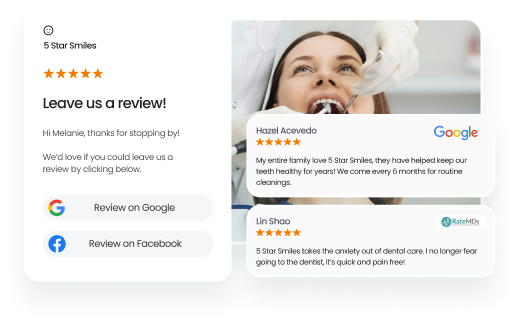
Customer review sites are online platforms, such as Google, Trustpilot, and Yelp, where customers post ratings, written feedback, and detailed experiences about a business to help other buyers make informed decisions.
Summary
Birdeye State of Online Reviews 2026 report found that review volume surged 30.7% in the past year, the fastest growth rate since 2021, with Google alone holding 79.4% of all reviews. That growth means customers now have more places than ever to research a business, and more reasons to expect a presence across all of them, not just one. Businesses that show up consistently on the right customer review platforms build trust faster, rank higher in local search, and convert more browsers into buyers.
This blog breaks down the best customer review sites for 2026 by category: general, e-commerce, B2B, and industry-specific. It also covers how to manage reviews at scale once your business has a presence on more than one platform.
Table of contents
- What is a customer review site?
- Why customer review sites matter for your business
- What are the general customer review websites?
- Which customer review sites matter most for e-commerce businesses?
- Which B2B customer review sites should you use?
- What are the best industry-specific customer review sites?
- How can you manage reviews across all these sites at scale?
- FAQs about customer review sites
- A stronger review presence starts with the right platform
What is a customer review site?
Customer review sites are online platforms where customers share ratings and written feedback about businesses. Google Reviews, Yelp, Trustpilot, and TripAdvisor are among the most widely used. For business owners, maintaining a presence on the top review sites improves local SEO, builds trust, and drives conversions.
Most sites share a few common features: a star rating system, written comments, business responses, and some form of verification to reduce fake reviews. Sites like the Better Business Bureau (BBB) also assign accreditation ratings that add another layer of trust.
For businesses, these platforms serve two purposes at once. They give potential customers social proof before they buy, and they give search engines like Google signals about a business’s credibility, which affects local rankings. TripAdvisor, Trustpilot, and other niche platforms fill in the gaps that general sites like Google leave, especially for high-stakes purchases where buyers dig deeper before committing.
Why customer review sites matter for your business
Every review your business collects across the web does double duty. It helps a potential customer decide whether to trust you, and it signals to search engines that your business is active and credible.
Reviews shape purchase decisions
Most customers check reviews before they call, book, or buy. A single review site rarely tells the full story, so customers get a full picture from multiple customer review platforms before choosing a business. A strong presence on the sites your customers actually check gives you more chances to earn that trust before a competitor does.
Reviews influence your local search rankings
Google has confirmed that reviews affect visibility. According to Google’s own guidance for improving local ranking, more reviews and higher ratings can help a business rank better in local search results, and responding to reviews helps a business stand out to customers. This makes review volume and review response part of your SEO strategy, not just your reputation strategy.
Reviews now carry legal weight
Review authenticity is no longer just a trust issue. The FTC’s final rule on fake reviews and testimonials bans businesses from buying, selling, or suppressing reviews, and allows the agency to pursue civil penalties for violations. That makes a genuine, well-managed presence across customer review websites a compliance matter as much as a marketing one.
Given how much weight reviews carry for both customers and search engines, choosing the right platforms is the natural next step. Next, we are going to explore the best customer review sites for 2026, organized by category, starting with the general-purpose sites nearly every business needs to claim.
Show up where your customers search
Want to see the impact of Birdeye on your business? Watch the Free Demo Now.
What are the general customer review websites?
The general customer review websites cover nearly every industry and dominate the top customer review sites lists across search results, so most businesses should claim all four before moving to industry-specific platforms.
1. Google Reviews: Best for local visibility
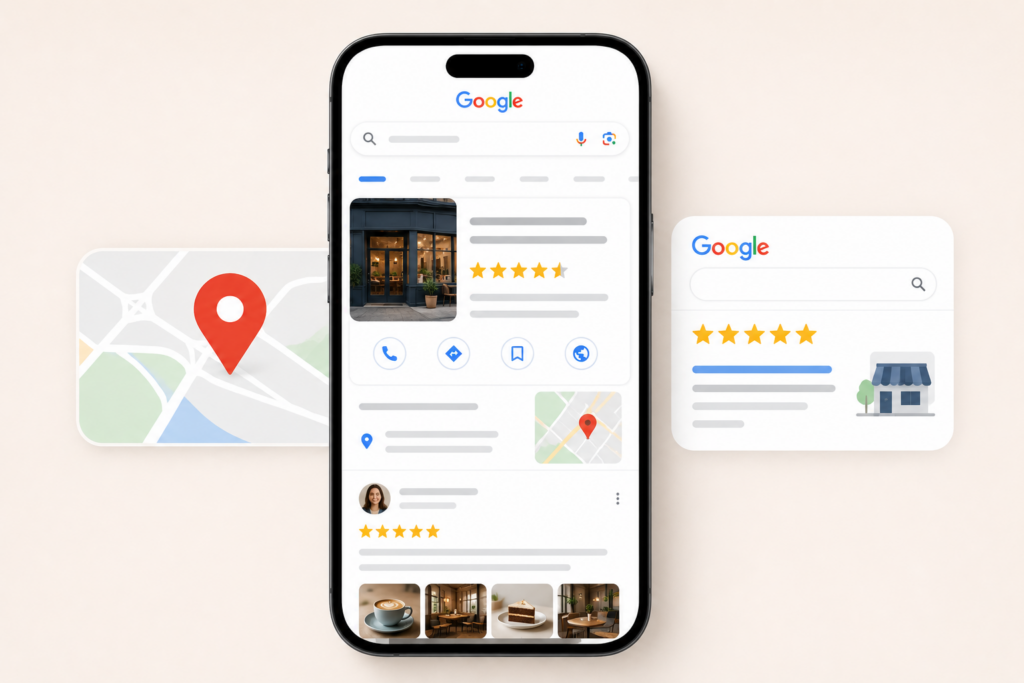
Google Reviews appears directly in Google Search and Google Maps, making it the most visible customer review platform for local businesses. Reviews here also factor into local search ranking, so businesses that collect and respond to reviews consistently tend to show up higher for nearby searches. Businesses manage this through their Google Business Profile.
2. Yelp: Best for local business discovery

Yelp remains one of the most trusted customer review websites for restaurants, home services, and other local businesses. Its recommendation software filters out reviews it deems unreliable, helping keep the platform’s ratings credible for users who research a business before visiting. Businesses can claim and manage a free profile through Yelp for Business.
3. Facebook Recommendations: Best for social proof within an existing audience

Facebook lets customers leave recommendations and star ratings directly on a business page, where they’re visible to an audience that already follows or engages with the brand. This makes it useful for businesses that rely on word of mouth and social sharing to bring in new customers. Businesses set this up through Meta Business Suite.
4. BBB (Better Business Bureau): Best for trust and accreditation
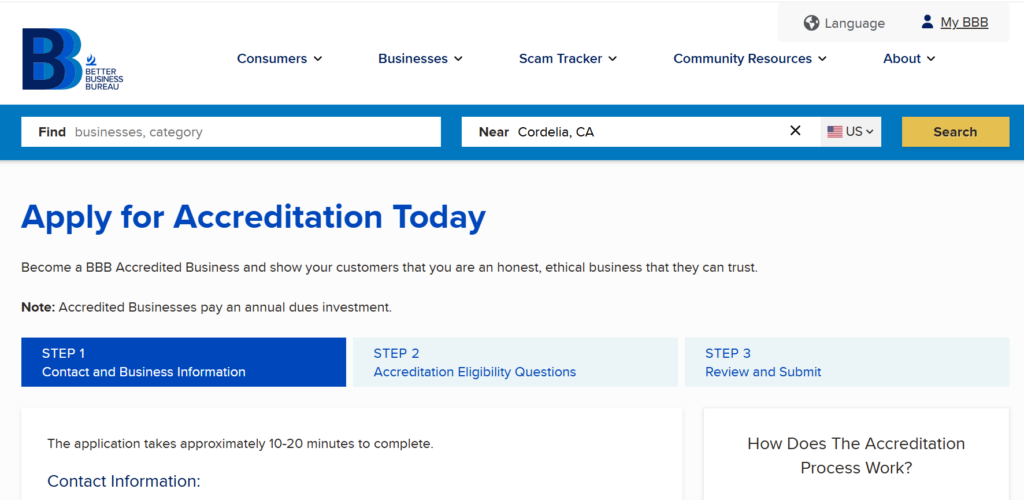
The BBB assigns businesses a letter-grade rating based on complaint history, transparency, and responsiveness, making it a strong trust signal for customers conducting due diligence before a purchase. This is especially valuable for businesses in industries where trust is a bigger deciding factor, such as home services and financial services. Businesses can request accreditation through bbb.org.

Which customer review sites matter most for e-commerce businesses?
Online shoppers rely heavily on product reviews before making a purchase, making these platforms essential for businesses that sell directly to consumers online.
5. Amazon Reviews: Best for product-level trust
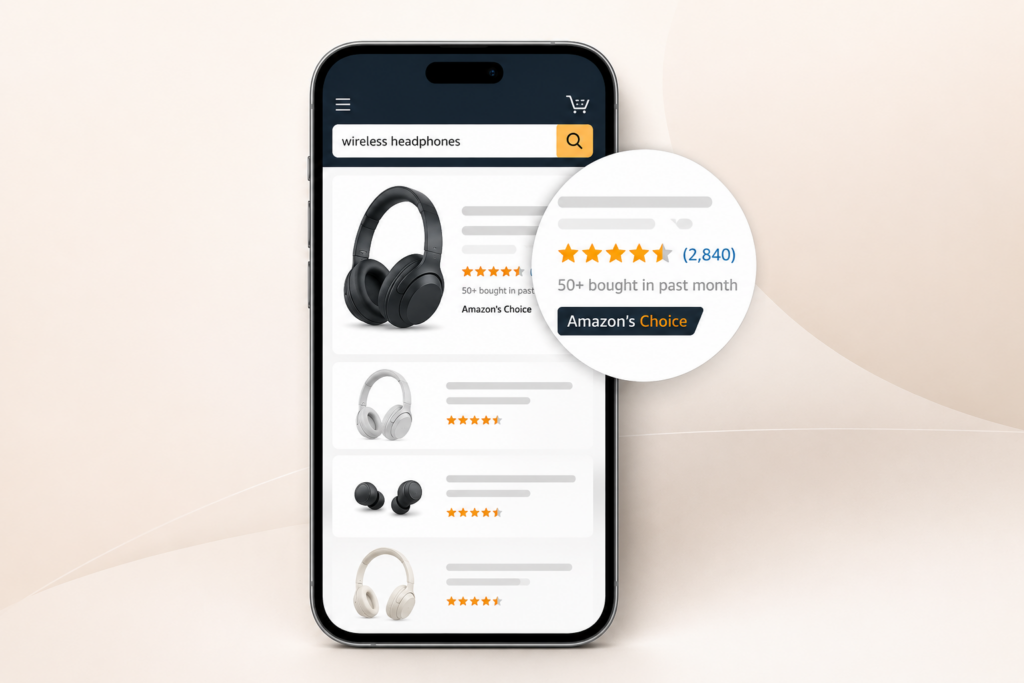
Amazon Reviews carries enormous weight for any product sold on the platform, since shoppers see star ratings and reviews directly in search results before they click into a listing. Amazon also flags verified purchases and factors review activity into how products rank in search. Sellers can view and respond to reviews through the Customer Reviews tool in Amazon Seller Central.
6. Trustpilot: Best for building an independent trust profile
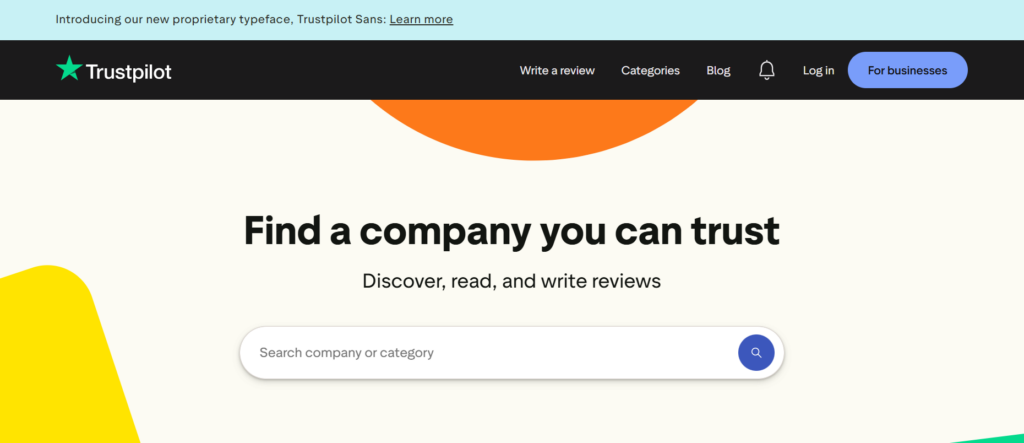
Trustpilot lets businesses collect reviews on a public profile that customers can check outside of any single marketplace. As it operates independently from retailers, shoppers often see it as an unbiased second opinion, which makes it valuable for e-commerce brands that sell across multiple channels. Businesses can claim a free profile through Trustpilot for Business.
7. Google Customer Reviews: Best for boosting ad and search performance

Google Customer Reviews collects verified post-purchase feedback and turns it into seller ratings that appear on Google Search, Google Shopping, and Search Ads. A strong seller rating badge on your site adds visible social proof right where shoppers make the buying decision. Businesses set this up for free through Google Merchant Center.
Which B2B customer review sites should you use?
B2B buyers research software and services differently than other consumers. They rely on peer reviews from other business users rather than star ratings alone.
8. G2: Best for software category rankings
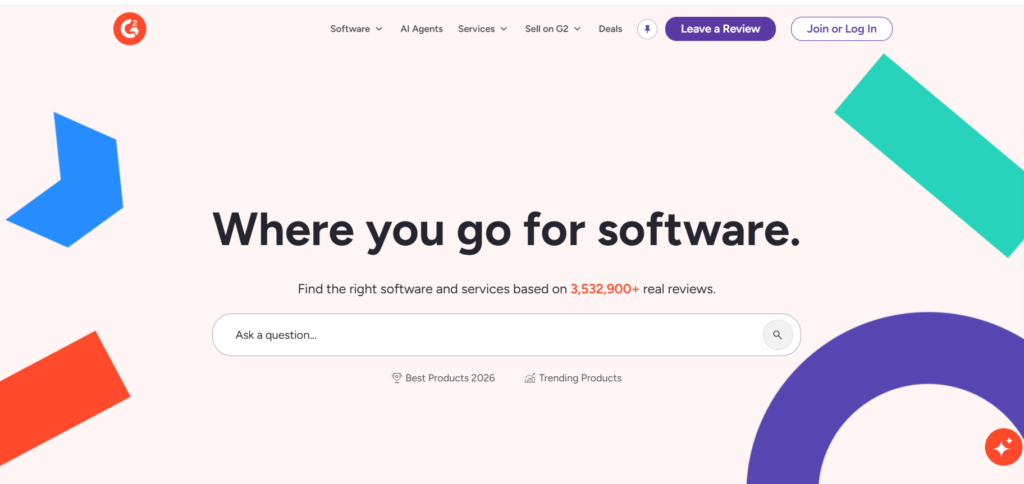
G2 organizes reviews by software category and publishes quarterly Grid Reports that rank vendors based on customer satisfaction and market presence. Buyers rely heavily on these rankings during the research phase, making a strong G2 presence valuable for any B2B software company.
9. Capterra: Best for small and mid-market software buyers
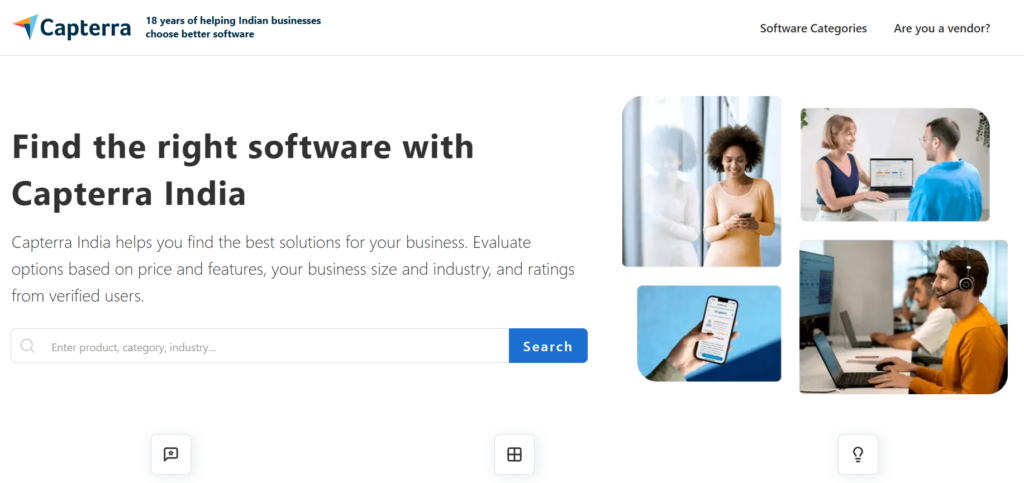
Capterra focuses on helping small and mid-sized businesses find software that fits their budget and use case, with detailed filtering by business size and industry. This makes it a strong fit for B2B companies that sell primarily to smaller organizations.
10. Gartner Peer Insights: Best for analyst-backed credibility

Gartner Peer Insights combines verified user reviews with Gartner’s research reputation, which gives it added weight among enterprise buyers who already rely on Gartner reports during vendor selection. This makes it a strong fit for B2B companies targeting large enterprise deals where analyst credibility matters.
What are the best industry-specific customer review sites?
General platforms cover most businesses, but a few industries have their own dedicated review sites that carry more weight with buyers researching a specific type of purchase.
11. Healthgrades: Best for healthcare providers
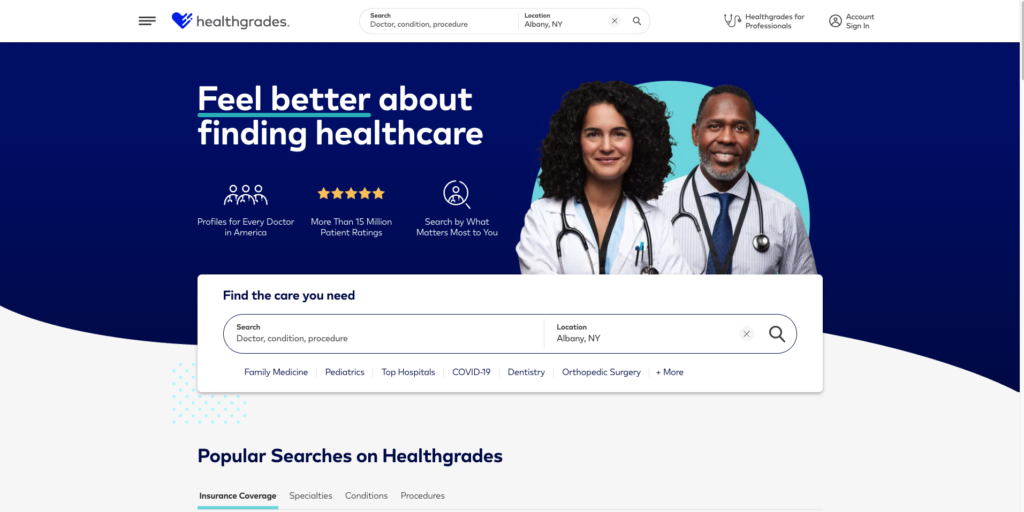
Healthgrades focuses on doctors, specialists, and hospitals, with profiles built from national provider registry data and patient satisfaction surveys. Patients researching a new doctor often check Healthgrades before booking, which makes it one of the most important review sites for healthcare practices.
12. Avvo: Best for legal services
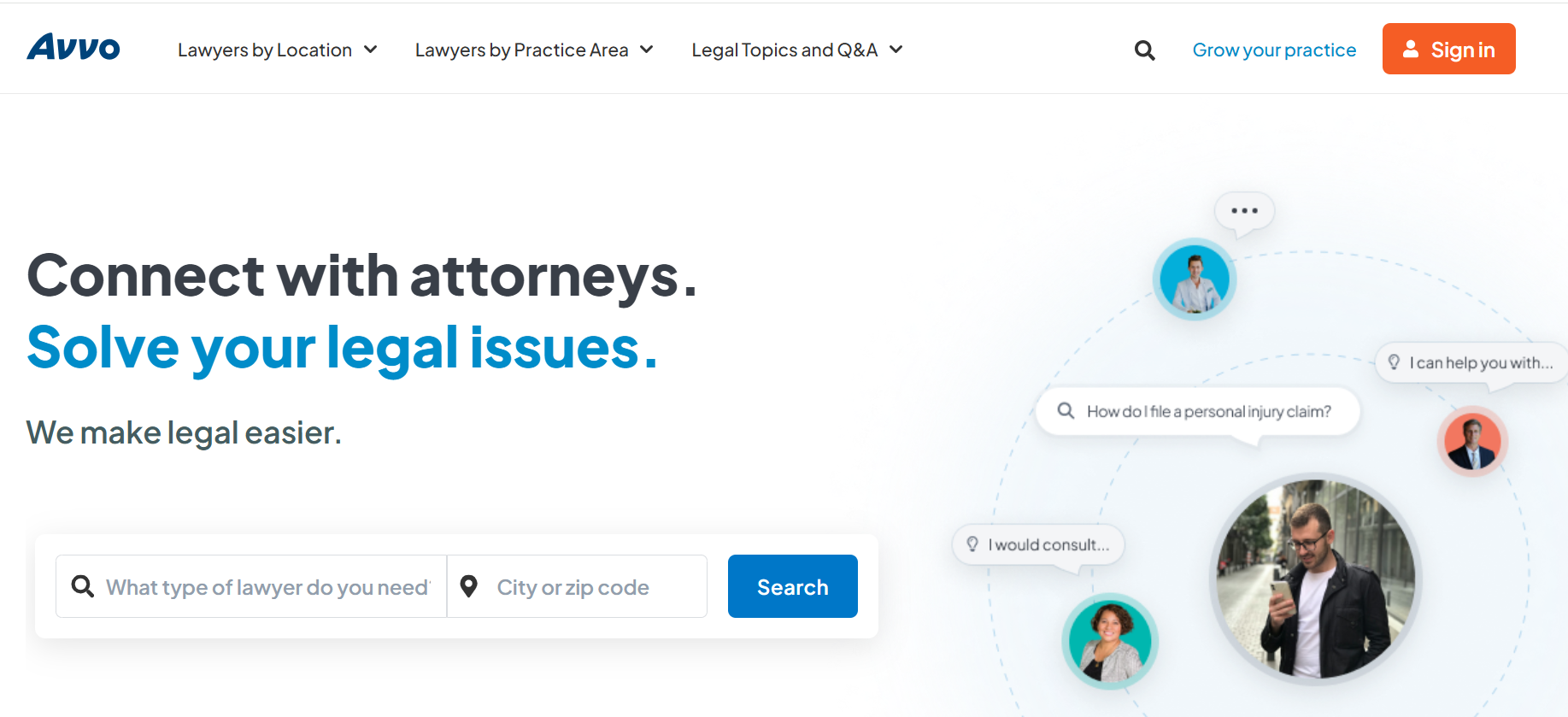
Avvo combines a proprietary attorney rating with client reviews and peer endorsements, giving legal service buyers a way to compare lawyers on more than star ratings alone. This makes it a key review site for law firms and individual attorneys.
13. Angi: Best for home services
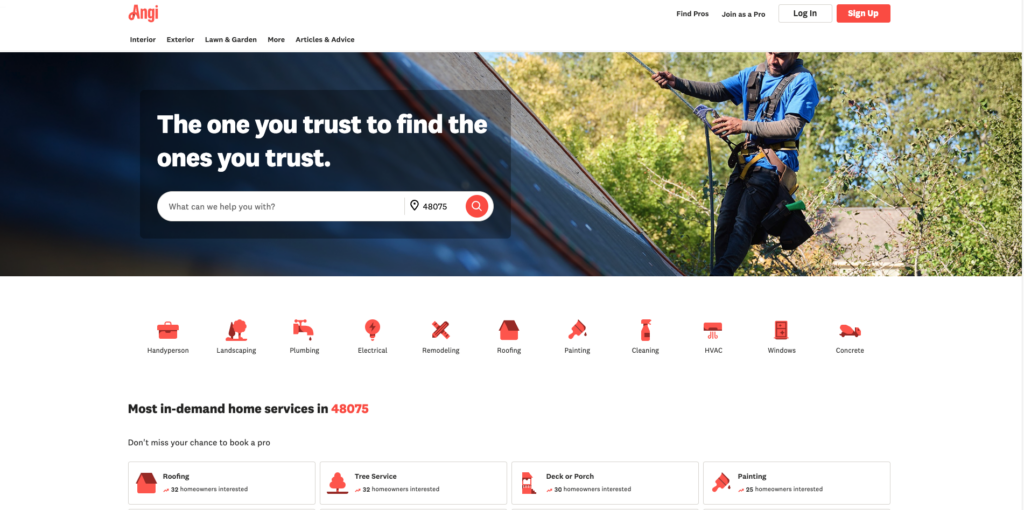
Angi connects homeowners with contractors and home service providers, with reviews organized by project type and service category. Home service businesses, from plumbers to landscapers, rely on Angi reviews to win local jobs.
See what contractor reviews mean for your business for a closer look at why this matters so much for home service pros.
14. TripAdvisor: Best for hospitality and travel

TripAdvisor ranks hotels, restaurants, and attractions based on traveler reviews, and its popularity ranking rewards businesses that consistently earn new, high-quality reviews. This makes it essential for any hospitality business that depends on travelers researching before they book.
15. Bankrate: Best for financial services
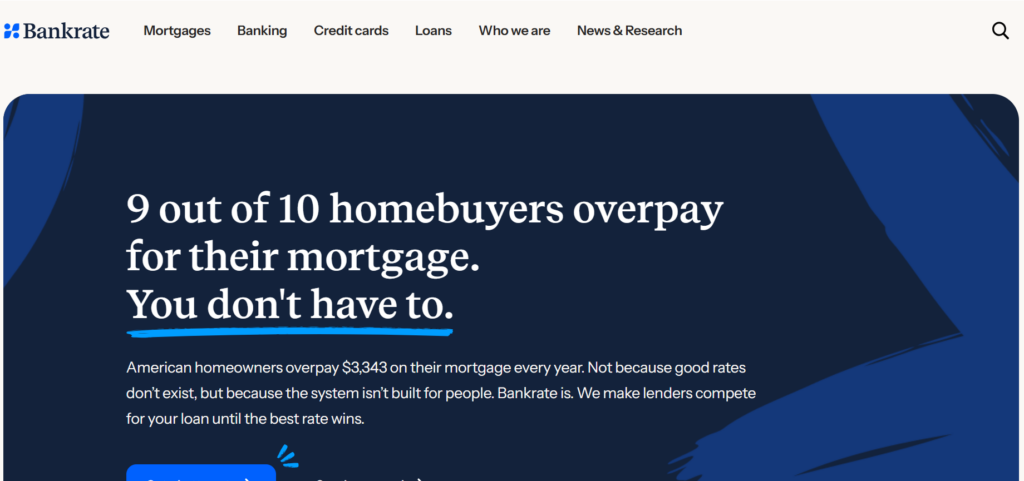
Bankrate reviews and rates banks, lenders, and insurance providers based on rates, fees, and customer experience. It gives consumers an easy way to compare financial providers before committing to a long-term product. This makes it an important review site for banks, mortgage lenders, and insurance companies.
For a full rundown of platforms specific to this industry, see our top 16 insurance review sites.
How can you manage reviews across all these sites at scale?

Once your business shows up on Google, Yelp, industry-specific sites, and everywhere else customers look, monitoring each platform separately becomes unmanageable. Reviews and mentions can pile up across a dozen sites, and a slow or missed response on any one of them can cost you a customer.
Birdeye builds AI agents for brands with multiple locations that need trust, consistency, and control. Powered by AI coworkers: Jay, Robin, and Myna, Birdeye helps organizations managing 100 to 10,000+ locations monitor customer interactions, analyze brand and industry context, and take action across reviews, listings, social media, messaging, surveys, and AI search visibility from a single platform.
With coverage across 200+ review sites and 3,000+ integrations, including Salesforce, HubSpot, and QuickBooks Online, Birdeye is trusted by some of the largest enterprise brands globally, including Sutter Health, Sun Auto, Caesars Entertainment, and Aspen Dental.
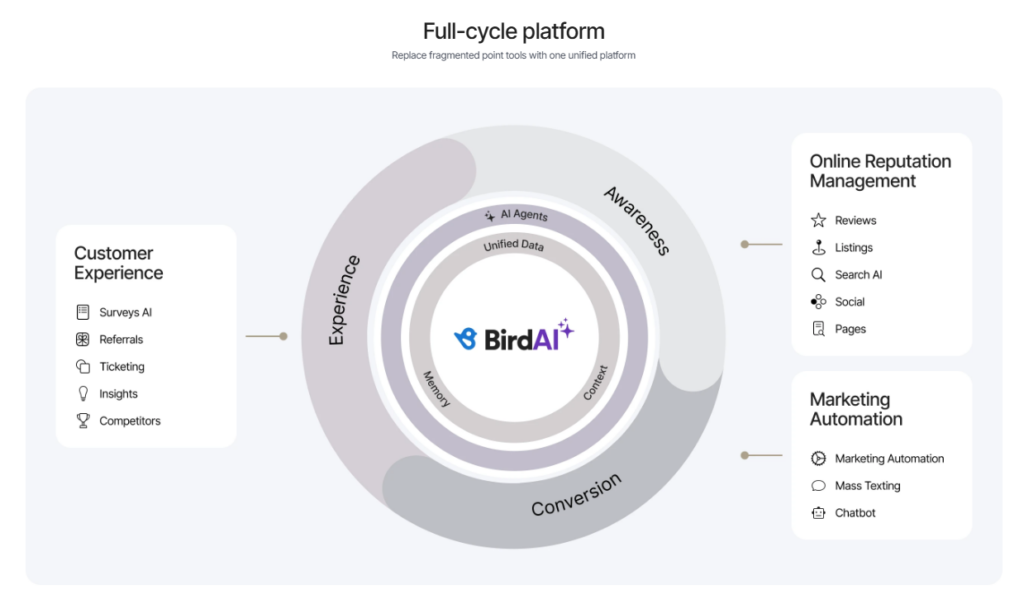
Consolidate
Bring reviews, listings, photos, customer interactions, and location data from every review site into a single source of truth across all your locations. This eliminates the inconsistencies that hurt visibility in both traditional search and AI-powered recommendations.
Reason
Use AI-powered memory and local context to identify reputation gaps across your review sites, monitor competitor performance, and understand exactly how your business appears across AI search platforms, including Google AI Overviews and ChatGPT.
Act
Birdeye’s autonomous and supervised AI agents automate review responses, listing updates, and reputation workflows across every location.
- Review Generation Agent for requesting reviews at the right moment, on the right platform.
- Review Response Agent for drafting and publishing on-brand replies, with your approval or autonomously.
- Reporting Agent that explains performance changes and flags anomalies in plain language.
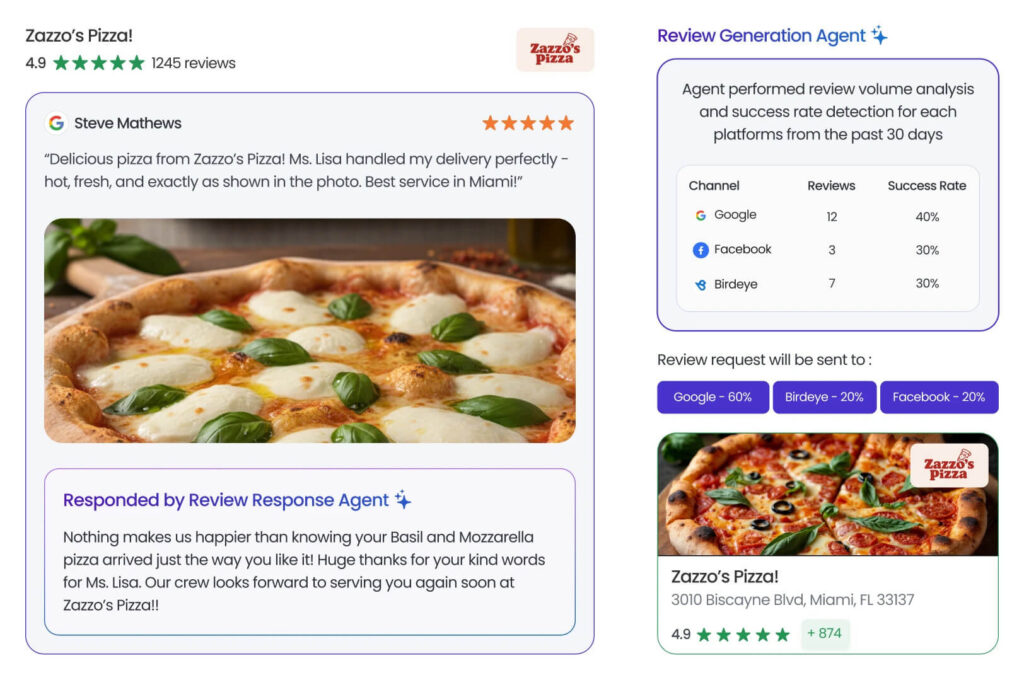
This helps businesses strengthen their presence on the customer review sites that matter most while maintaining brand consistency and governance across locations.
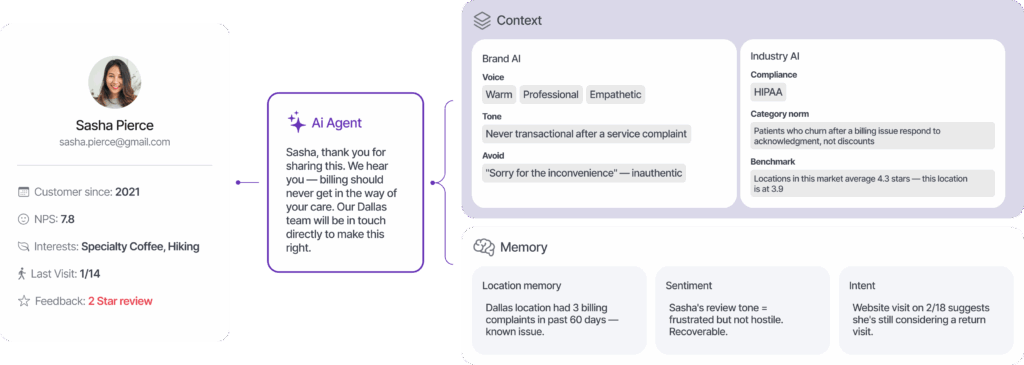
Outcomes
Close the loop with prescriptive analytics, such as the Birdeye Score, that track the exact ROI of your review management efforts and explain the “why” behind performance shifts across locations and review sites.
For multi-location and multi-vertical businesses, this consolidated view matters even more. A healthcare group tracking Healthgrades reviews, a law firm monitoring Avvo, and a home services company watching Angi all face the same core problem: reviews spread across too many sites to check manually every day. Birdeye turns that daily scramble into a repeatable, automated process.
Here’s how these strategies translate into real business results for a multi-location brand.

The brand
Rate is a top U.S. mortgage lender with more than 750 locations, offering mortgages, personal loans, insurance, and wealth-building resources to help customers reach their financial goals.
The challenge
- A 2020 surge in mortgage applications caused a slight dip in Rate’s customer satisfaction metrics
- Rate’s 2,500 loan officers needed a way to collect feedback consistently without adding to their workload
- The team needed a solution that integrated with their existing CRM, Total Expert, to avoid disrupting daily operations
The results
- Automated review and survey requests through Reviews and Surveys reduced manual work for loan officers
- Review frequency increased by 12% after Rate began requesting feedback at the moment a loan closed
- Rate collected 3,800 new reviews in ten months while maintaining a 4.9-star average rating
- Response rates to customer feedback rose 14% using Birdeye’s AI-driven response suggestions
- Rate reached a Net Promoter Score of 88.2 by adding mid-process surveys at the underwriting stage
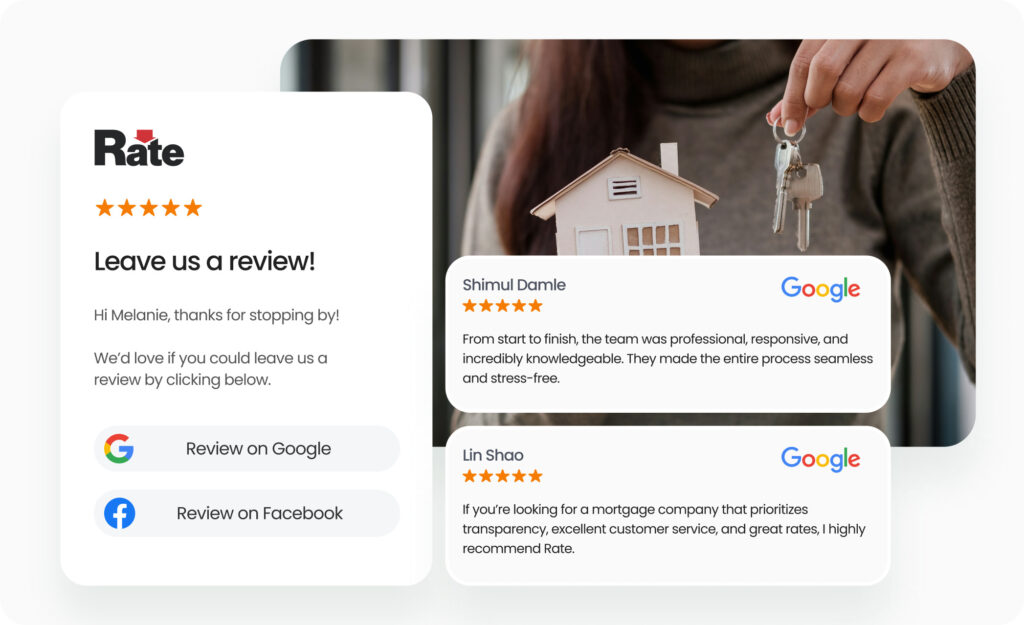
Jeff Smith, SVP of Marketing, Rate, shares:
“Centralization is so key to adoption. Birdeye allows us to manage everything in one platform, from reviews to survey responses, without overwhelming loan officers.”
FAQs about customer review sites
Google Reviews carries the most weight for local SEO, since Google factors review volume and rating directly into local search rankings. Yelp and BBB also contribute to how trustworthy a business appears in local search results.
Google Reviews is free for any business with a Google Business Profile and reaches the widest audience, since it appears directly in Google Search and Maps. Yelp and Facebook Recommendations are also free to claim and manage.
The best customer review sites in 2026 include Google Reviews, Yelp, Trustpilot, Amazon Reviews, and BBB for general use, alongside G2 and Capterra for B2B software and Healthgrades or Angi for industry-specific businesses.
Local service businesses, such as home services, healthcare, and legal practices, benefit most from Google Reviews, Yelp, BBB, and industry-specific platforms like Angi for home services or Healthgrades for healthcare.
Most businesses need to monitor at least four to six customer review platforms: Google Reviews, Yelp, Facebook, BBB, and one or two industry-specific sites relevant to their field.
Yes. Google has confirmed that review count and rating quality factor into local search ranking, and that responding to reviews helps a business stand out to potential customers.
A review site, like Google Reviews or Yelp, is where customers post their feedback publicly. A review management platform, like Birdeye, helps businesses monitor, respond to, and request reviews across many review sites from one dashboard.
B2B companies should prioritize G2, Capterra, and Gartner Peer Insights, since B2B buyers rely on peer reviews from other business users during software and vendor research.
Businesses with a presence on multiple review sites typically use a review management platform to consolidate alerts, respond to reviews faster, and track performance across every location from a single dashboard.
A stronger review presence starts with the right platform
Every customer decision starts somewhere, and increasingly, that somewhere is a review site you may not even be watching. The businesses that win in 2026 and beyond aren’t the ones with the most locations or the biggest budgets. They’re the ones who show up consistently, respond quickly, and turn every review into a signal that builds trust with the next customer.
Choosing the right customer review platforms is only half the equation. What you do once the reviews start coming in determines whether that presence translates into real growth.
Ready to see how Birdeye can help you turn reviews into results? Explore how AI agents can manage your reputation across every location, every platform, and every customer interaction. Book a free demo today.

About the Author

Sudeepta Bora
Originally published