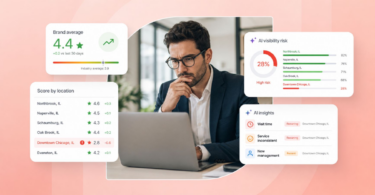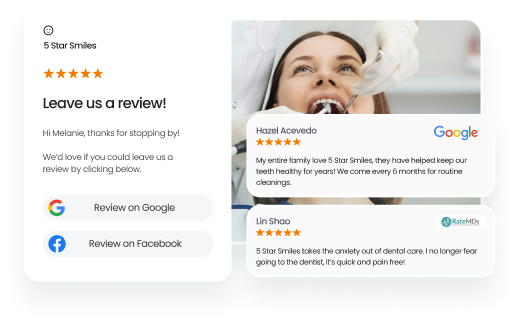
Business listing sites are authoritative platforms that distribute verified location and brand data across search engines, maps, and AI-driven discovery experiences in the United States.
Summary
Business listing sites play a critical role in how multi-location brands are discovered, evaluated, and trusted across search engines, maps, and AI search platforms. To appear in map results and AI-generated answers, brands must maintain accurate and structured listings across directories. Inaccurate or incomplete listings create visibility gaps, erode customer trust, and introduce brand risk across locations.

For enterprise brands managing thousands of locations, maintaining listings manually becomes difficult to scale. Birdeye Listings AI Agents help automate this process by continuously monitoring profiles across major platforms like Google, Apple, Facebook, and Yelp. The agents identify gaps, surface optimization opportunities, and apply approved updates to keep location information consistent and optimized for search discovery.
This blog covers the 70+ top business listing sites in the USA, prioritized by their impact on local SEO, lead generation, and brand authority. It also explains how enterprises should approach listings optimization for AI search in 2026, including verification, accuracy, and cross-location governance.
Table of contents
- Why do business listing sites matter in 2026 for multi-location brands?
- What are the top business listing sites for USA brands
- Which business listing sites matter most now?
- How can you optimize your business listings for AI search visibility?
- What are the biggest mistakes to avoid with USA business listings?
- Success spotlight: How Foundation Partners Group scaled listing accuracy across 250+ locations
- Frequently asked questions about business listing sites in the USA
- Level up with these business listing sites and improve your reputation with Birdeye
What is a business listing?

A business listing is a digital record of a brand’s location and identity information distributed across search engines, maps, directories, and review platforms. Search engines and AI systems rely on these listings to surface accurate, location-specific information about businesses.

A complete business listing typically includes:

✅Business name
✅Address
✅Phone number
✅Website
✅Business hours
✅Categories and services
✅Photos and videos
✅Reviews and ratings
✅Attributes and social profiles

Accurate and consistent listings improve local search visibility, strengthen brand trust, and reduce the risk of outdated or fragmented location data across directories.
Why do business listing sites matter in 2026 for multi-location brands?
Business listing sites have become foundational infrastructure for AI-driven discovery, local search performance, and customer trust in 2026. As search platforms move toward zero-click results and AI-generated answers, listings data increasingly determines which brands are visible and which are excluded.
Listings power AI-driven and map-based discovery
Search engines and AI platforms use listings data to determine which brands appear in local results, map packs, and AI-generated answers. Discovery searches now account for the majority of local search interactions, making accurate listings essential for consistent brand visibility across every location.
Listings power AI-driven and map-based discovery
Search engines and AI platforms use listings data to determine which brands appear in local results, map packs, and AI-generated answers. Discovery searches now account for the majority of local search interactions, making accurate listings essential for consistent brand visibility across every location.
Centralized accuracy across listings increases discovery while reducing the risk of locations being excluded from high-intent search experiences.
Verified listings strengthen trust and engagement
Verified profiles signal legitimacy to platforms and customers, while complete profiles with current attributes and photos consistently earn higher engagement across search and maps. Consistent NAP data across authoritative directories also improves brand perception in local ranking algorithms, improving scalable visibility without requiring location-by-location manual optimization.
Listings influence conversion confidence and lead quality
Customers use listings to validate hours, services, and reviews before visiting a business. Inaccurate information creates friction and reduces confidence in conversions. Accurate listings improve conversion confidence across thousands of location-level customer journeys.
What are the top business listing sites for USA brands
Many of the platforms listed below are the best free business directories in the USA, helping brands improve visibility without additional advertising spend. These free business listing sites for USA businesses strengthen local search visibility and reinforce citation consistency across directories.
Here are the 70+ top business listing sites for USA brands:
- Google Business Profile (GBP)
- Apple Business Connect
- Foursquare
- Yellow Pages
- Manta
- Bing Places for Business
- Better Business Bureau (BBB)
- Trustpilot
- Priceline
- TripAdvisor
- Citysearch
- Nextdoor
- Yahoo Local
- MapQuest
- Yelp
- Superpages
- Yellowbook
- Hotfrog
- MerchantCircle
- Yellow Pages Goes Green
- DexKnows
- Ezlocal.com
- eLocal
- Uber Eats
- Avvo
- Martindale-Hubbell (Legal)
- Lawyers.com (Legal)
- Justia (Legal)
- Zillow Group (Real Estate)
- Realtor.com (Real Estate)
- Healthgrades (Healthcare)
- Zocdoc (Healthcare)
- Vitals (Healthcare)
- Cars.com (Automotive)
- Carwise (Automotive)
- Cargurus (Automotive)
- DealerRater (Automotive)
- Thumbtack (Home Services)
- Angi (Home Services)
- Homestars (Home Services)
- Houzz (Home Services)
- Booking.com
- Expedia Group (Expedia, Orbitz, Hotels.com)
- Airbnb
- OpenTable
- DoorDash
- SAM.gov
- U.S. Small Business Administration (SBA) Directory
- Data.gov
- U.S. Exporter Directory
- GreenPages.org
- Green America Business Network
- EcoMall
- The Green Business Directory
- GreenLynx
- National Minority Supplier Development Council (NMSDC) Directory
- Women’s Business Enterprise National Council (WBENC) Directory
- Hispanic Chamber of Commerce Business Directory
- LGBT Chamber of Commerce Business Directory
- Native American Business Association Directory
- Franchise Direct
- BizBuySell
- Franchise Gator
- International Franchise Association (IFA) Directory
- Franchise.com
- Capterra
- G2
- TrustRadius
- Software Advice
- SaaS Hub
Let's start with the Search engines & Maps
1. Google
Google Business Profile is the most important business listing site for visibility across Google Search, Maps, and AI-driven discovery experiences in the United States.
Recent Birdeye data shows:
- 86% of Google searches are discovery-based, where customers find brands they were not actively searching for
- Verified profiles drive up to 4x more website visits compared to unverified listings
- 71% of businesses are verified on Google, reinforcing verification as a baseline trust signal
- 73% of customer reviews now receive responses, highlighting the importance of active engagement
This means accurate data, verification, photos, and complete profiles are essential for consistent visibility and trust at scale.
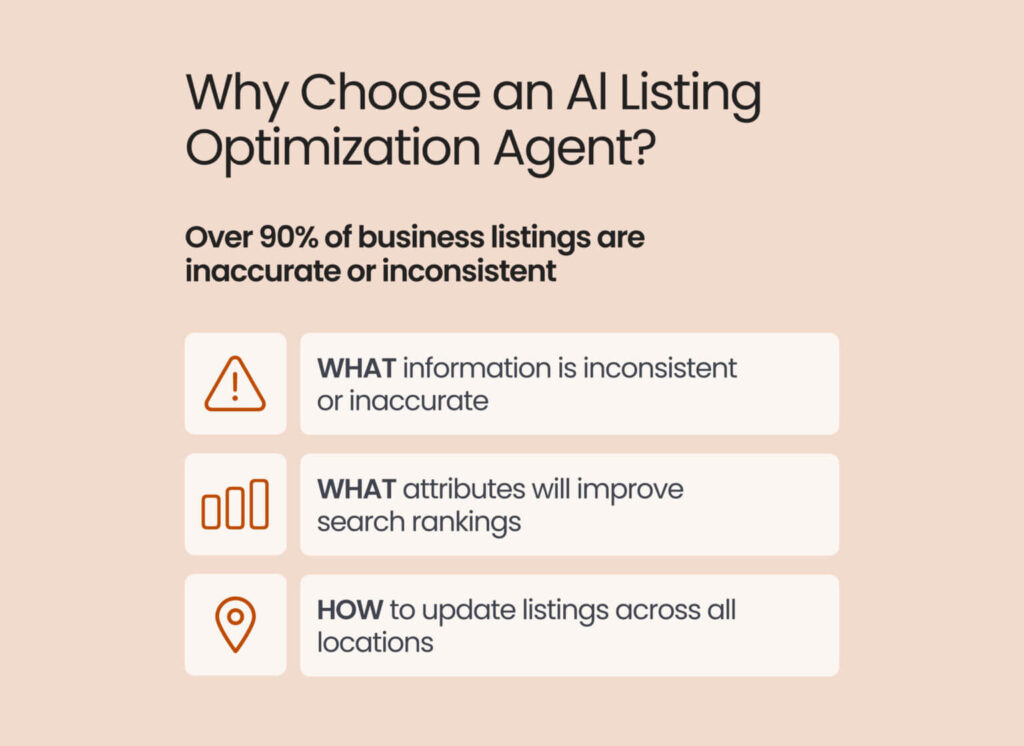
Managing Google Business Profile manually across thousands of locations introduces accuracy and governance risk. Birdeye’s AI agents, like the Listings Optimization Agent, help brands maintain real-time accuracy and profile completeness across Google Business Profiles for organizations managing 100-10,000+ locations.
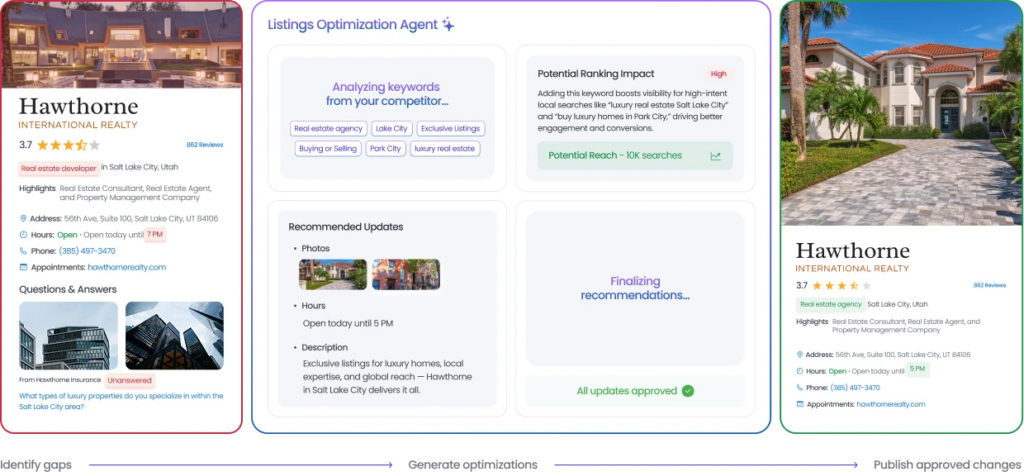
For multi-location brands, local discovery is not a one-time setup. In 2026, it is a competitive necessity, especially as AI Engine Optimization (AEO) pushes search engines to reward brands that stay accurate everywhere customers look. When your location data is inconsistent across the internet, it confuses customers and signals to search engines that your brand is unreliable.
Birdeye’s Listings AI agents help you move beyond basic directory syncing by keeping every location visible, accurate, and optimized where it matters most.
The Birdeye Listings Optimization Agent runs a 24/7 audit across the Power Network, including Google, Apple Business Connect, and Yelp, to catch missing attributes, broken links, and profile gaps that dilute local authority. Built on Local Intelligence, the agents also surface market-level keyword opportunities so each location aligns with how people search in that specific area, not just at a national level.
Cunningham Restaurant Group uses Birdeye to keep Google listings accurate across locations:
“48.91% of our website visitors come from Google, so it’s really important to keep our info up-to-date. Birdeye makes it easy to update our listings quickly across Google and other big sites, helping us stay accurate online and keep our customers happy.”
– Carissa Newton, Director of Marketing, Cunningham Restaurant Group
For a deeper look at improving map visibility, see 8 easy steps for Google Maps optimization.
2. Apple Business Connect
Apple Business Connect powers visibility across Apple Maps and the broader iOS ecosystem. Apple Maps is a critical discovery channel for iPhone users searching for nearby services, directions, and verified business information.
Apple Business Connect enables brands to:
- Maintain accurate location data across Apple Maps
- Showcase photos, logos, and brand details
- Manage categories, hours, and attributes at scale
- Influence visibility across Siri and Apple-powered search experiences
Best fit: Brands with strong mobile traffic and high in-store visit intent.
3. Bing Places for Business
Bing Places for Business supports visibility across Microsoft Bing and the Microsoft ecosystem, including voice search and enterprise browsing environments. While Google dominates search share, Bing remains influential across desktop users and Microsoft-integrated platforms.
Bing Places enables:
- Cross-platform listing consistency beyond Google
- Visibility across Windows devices and Microsoft Edge
- Support for voice-based search queries
- Reinforcement of authoritative listing signals across search engines
Best fit: Enterprise brands seeking cross-engine consistency and broader coverage across corporate and desktop-heavy audiences.
4. Facebook
Facebook remains a high-impact discovery and engagement platform for multi-location brands, particularly for local search, recommendations, and community-driven visibility. According to Birdeye’s State of Social 2026 report, 74% of North American consumers report using Facebook, underscoring its continued importance for brand visibility and social validation.
Facebook Business Pages support:
- Location-level profile visibility and reviews
- Direct customer messaging and engagement
- Event promotion and local updates
- Photo and content publishing tied to community discovery
Best fit: Retail, healthcare, restaurants, automotive, and service brands that rely on community engagement and localized marketing.
Learn how to set up your Facebook Business Page.
5. Foursquare
- Core audience: Consumers discovering nearby businesses through partner apps and location-based search experiences
- Key strength: Structured venue data and location attributes that reinforce citation consistency
- Best fit: Retail, restaurants, hospitality, and service brands focused on foot traffic
Learn more about how to optimize your Foursquare business listing.
6. Yellow Pages
While the physical Yellow Pages might be a thing of the past, the online counterpart of free listing continues to thrive.
- Best fit: Home services, professional services, healthcare, and local retail brands
- Core audience: Consumers searching for local services across established directory platforms
- Key strength: High-authority citation source that reinforces name, address, and phone consistency
- General directories -
Find your Manta listing here.
7. Manta
- Core audience: Small to mid-market brands and service providers searching within business directories
- Key strength: Structured business profiles that reinforce citation consistency and category relevance
- Best fit: Professional services, contractors, and local service brands building foundational directory coverage
8. Better Business Bureau
The Better Business Bureau (BBB) is a nonprofit organization promoting ethical business practices and consumer protection.
- Core audience: Consumers validating brand credibility and complaint history
- Key strength: Accreditation status, public ratings, and dispute resolution records that influence trust signals
- Best fit: Financial services, healthcare, home services, and enterprise brands prioritizing reputation governance
9. Trustpilot
- Core audience: Consumers comparing brands based on verified reviews and ratings
- Key strength: High-visibility review profiles that influence purchase decisions and brand perception
- Best fit: E-commerce, SaaS, financial services, healthcare, and national consumer brand
10. LinkedIn
- Core audience: Professionals researching companies, partnerships, and industry expertise
- Key strength: Authoritative company profiles that reinforce brand credibility and executive visibility across industries. Birdeye data shows 33% of consumers use LinkedIn, with 47% spending 30 to 120 minutes per day on the platform, making it a meaningful credibility signal for professional discovery.
- Best fit: B2B brands, healthcare networks, financial services, franchise organizations, and enterprise companies prioritizing professional credibility and talent acquisition.
Want to strengthen your LinkedIn presence? Read our blogs on:
• LinkedIn marketing hacks to grow your business
• How to create a LinkedIn Business Page
11. Priceline
- Core audience: Travelers comparing accommodations, transportation, and bundled travel options
- Key strength: Integrated booking functionality tied to pricing visibility and traveler reviews
- Best fit: Hotels, resorts, travel operators, and hospitality groups seeking booking-driven visibility
12. TripAdvisor
- Core audience: Travelers researching hotels, attractions, and restaurants
- Key strength: Review-driven platform with strong search visibility for travel queries
- Best fit: Hotels, restaurants, tour operators, and hospitality brands
13. Citysearch
- Core audience: Consumers searching for local services and businesses by category
- Key strength: Structured local profiles with category tagging and review visibility
- Best fit: Restaurants, home services, retail, and professional service brands building foundational directory coverage
14. Nextdoor
- Core audience: Local residents discovering neighborhood businesses through community recommendations
- Key strength: Hyperlocal discovery driven by neighborhood conversations and referrals
- Best fit: Home services, healthcare providers, local retail, restaurants, and community-focused businesses
15. Yahoo Local
- Core audience: Consumers searching for local businesses through Yahoo search
- Key strength: Directory profiles integrated with Yahoo search visibility
- Best fit: Service providers, retail brands, and local businesses building citation coverage
16. MapQuest
- Core audience: Users navigating and searching for nearby services via map-based queries
- Key strength: Location visibility within map-driven search experiences
- Best fit: Restaurants, retail, healthcare, and service brands reliant on directional traffic
- Review platforms & booking sites -
17. Yelp
- Core audience: Consumers researching businesses through reviews and local discovery
- Key strength: High-authority review platform influencing trust and local search visibility
- Best fit: Restaurants, healthcare, home services, retail, and local service businesses
18. Superpages
- Core audience: Consumers browsing categorized local service listings
- Key strength: Structured business profiles supporting citation consistency
- Best fit: Home services, contractors, legal, and professional services
19. Yellowbook
- Core audience: Consumers searching directory-based listings across service categories
- Key strength: Business profile listings that reinforce local authority signals
- Best fit: Local service brands and regional enterprises strengthening foundational listings
Which Business Listing Sites Matter the Most in the USA?
Want to see the impact of Birdeye on your business? Watch the Free Demo Now.
20. Hotfrog
- Core audience: Consumers searching for categorized local business listings
- Key strength: Structured profiles that reinforce citation consistency and category relevance
- Best fit: Local service brands and regional enterprises expanding directory coverage
21. Merchant Circle
- Core audience: Local consumers and community-based service searches
- Key strength: Business profiles with review integration supporting local engagement signals
- Best fit: Home services, retail, and neighborhood-focused brands
22. Yellow Pages Goes Green
- Core audience: Consumers seeking environmentally conscious businesses
- Key strength: Niche directory positioning focused on sustainability and green services
- Best fit: Eco-friendly brands, sustainability-focused retailers, and green service providers
23. DexKnows
- Core audience: Consumers browsing local business listings by category
- Key strength: Directory profiles with map visibility and citation reinforcement
- Best fit: Contractors, healthcare providers, retail, and professional services
24. Ezlocal.com
- Core audience: Consumers searching for local services across directory platforms
- Key strength: Structured listings that reinforce local citation consistency
- Best fit: Service providers, healthcare, retail, and regional enterprises
25. eLocal
- Core audience: Consumers seeking vetted local service providers
- Key strength: Service-focused directory structure with review visibility
- Best fit: Home services, contractors, legal, and professional service brands
- Industry-specific directories -
26. Uber Eats
- Core audience: Consumers ordering food through mobile delivery platforms
- Key strength: In-app visibility tied directly to ordering and transaction flow
- Best fit: Restaurants, quick-service chains, and hospitality brands
27. Avvo
- Core audience: Individuals searching for legal representation by specialty
- Key strength: Attorney profiles with ratings, reviews, and Q&A visibility
- Best fit: Law firms and multi-location legal practices
28. Martindale-Hubbell
- Core audience: Clients and professionals evaluating legal credentials
- Key strength: Peer-reviewed attorney ratings and professional endorsements
- Best fit: Established law firms and enterprise legal organizations
29. Lawyers.com
- Core audience: Individuals comparing attorneys by specialty and location
- Key strength: Attorney profiles with reviews, peer ratings, and practice area filtering
- Best fit: Law firms and regional or national legal practices
30. Justia
- Core audience: Consumers researching legal issues and attorney options
- Key strength: Attorney directory combined with legal content and resource visibility
- Best fit: Law firms seeking discovery through educational and informational search queries
31. Zillow Group
- Core audience: Buyers, sellers, and renters researching properties and agents
- Key strength: Property listings integrated with agent profiles and neighborhood data
- Best fit: Real estate brokerages, agents, and multi-location property brands
Includes visibility across Zillow and Trulia, expanding reach across consumer real estate search experiences.
32. Realtor.com
- Core audience: Consumers actively searching for homes and real estate professionals
- Key strength: MLS-connected property listings with agent visibility
- Best fit: Brokerages and multi-location real estate brands
33. Healthgrades
- Core audience: Patients researching doctors, specialists, and hospitals
- Key strength: Provider profiles with patient reviews and quality ratings
- Best fit: Multi-location healthcare networks, hospitals, and specialty clinics
34. Zocdoc
- Core audience: Patients booking medical appointments online
- Key strength: Real-time scheduling integrated with verified patient reviews
- Best fit: Healthcare providers and multi-location medical practices
35. Vitals
- Core audience: Patients comparing healthcare providers
- Key strength: Detailed provider listings with patient ratings and reviews
- Best fit: Hospitals, specialty clinics, and physician groups
36. Cars.com
- Core audience: Consumers researching and purchasing vehicles
- Key strength: Dealer profiles integrated with inventory listings and reviews
- Best fit: Automotive dealerships and multi-location auto groups
37. Carwise
- Core audience: Vehicle owners searching for collision and repair services
- Key strength: Repair shop profiles with customer reviews and service information
- Best fit: Auto body chains and regional repair networks
38. Cargurus
- Core audience: Consumers comparing vehicle listings and dealership options
- Key strength: Inventory-driven marketplace with pricing insights and dealer visibility
- Best fit: Automotive dealerships and multi-location auto groups
39. DealerRater
- Core audience: Vehicle buyers evaluating dealership reputation
- Key strength: Dealership-focused review profiles and customer experience ratings
- Best fit: Auto dealer networks and franchise dealership groups
40. Thumbtack
- Core audience: Consumers hiring local contractors and service professionals
- Key strength: Service matching platform with review-backed professional profiles
- Best fit: Home services, repair providers, and regional contractor networks
41. Angi
- Core audience: Homeowners comparing contractors and service providers
- Key strength: Verified reviews and service category filtering
- Best fit: Multi-location home services brands and contractor franchises
42. Homestars
- Core audience: Homeowners researching renovation and repair professionals
- Key strength: Contractor review profiles and project-focused ratings
- Best fit: Remodeling firms, specialty contractors, and regional service brands
43. Houzz
- Core audience: Consumers researching home design and renovation services
- Key strength: Professional directories integrated with visual project portfolios
- Best fit: Design firms, renovation brands, and home improvement enterprises
44. Booking.com
- Core audience: Travelers searching for accommodations by location and price
- Key strength: Direct booking integration with review-backed property listings
- Best fit: Hotels, resorts, and multi-location hospitality brands
45. Expedia Group
- Core audience: Travelers booking flights, hotels, and vacation packages
- Key strength: Multi-brand marketplace including Expedia, Hotels.com, and Orbitz
- Best fit: Hospitality groups and travel brands seeking broad booking visibility
46. Airbnb
- Core audience: Travelers booking short-term stays and unique accommodations
- Key strength: Review-driven listings tied directly to booking and host visibility
- Best fit: Property managers, vacation rental groups, and hospitality brands
47. OpenTable
- Core audience: Diners searching for and booking restaurant reservations
- Key strength: Real-time reservation integration with review-backed profiles
- Best fit: Restaurant chains and multi-location dining brands
48. DoorDash
- Core audience: Consumers ordering meals through mobile delivery apps
- Key strength: In-app restaurant discovery tied directly to transaction flow
- Best fit: Quick-service restaurants and multi-location food brands
Public and government business listing websites in the US - These platforms provide visibility for brands pursuing government contracts, public-sector work, and regulated-industry opportunities.
49. SAM.gov
- Core audience: Federal agencies and contractors evaluating vendor eligibility
- Key strength: Mandatory registration platform for U.S. federal contracts and grants
- Best fit: Enterprise brands pursuing government procurement opportunities
50. U.S. Small Business Administration (SBA) Directory
- Core audience: Government agencies and funding programs reviewing business eligibility
- Key strength: Registration visibility for programs, certifications, and federal support initiatives
- Best fit: Brands seeking public sector partnerships or federal program participation
51. Data.gov
- Core audience: Researchers, analysts, and public-sector stakeholders
- Key strength: Access to public datasets supporting market research and compliance insights
- Best fit: Enterprise brands conducting regulated market analysis or government-aligned research
52. U.S. Exporter Directory
- Core audience: International buyers and trade partners
- Key strength: Government-supported visibility for export-ready brands
- Best fit: Enterprise brands expanding into global markets
Green & sustainable business listing websites - These directories support visibility for brands prioritizing sustainability and environmental standards.
53. GreenPages.org
- Core audience: Consumers seeking environmentally responsible businesses
- Key strength: Sustainability-focused directory positioning
- Best fit: Eco-conscious retail, manufacturing, and service brands
54. Green America Business Network
- Core audience: Values-driven consumers and advocacy communities
- Key strength: Sustainability and fair trade recognition
- Best fit: Brands aligned with ethical sourcing and environmental initiatives
55. EcoMall
- Core audience: Consumers shopping for eco-friendly products and services
- Key strength: Marketplace-style exposure for sustainable brands
- Best fit: Green retailers and environmentally focused product companies
56. The Green Business Directory
- Core audience: Consumers researching sustainability-focused service providers
- Key strength: Category-based listings for environmentally responsible businesses
- Best fit: Local and regional brands promoting sustainable operations
57. GreenLynx
- Core audience: Stakeholders prioritizing carbon-conscious brands
- Key strength: Carbon-neutral positioning and sustainability visibility
- Best fit: Enterprise brands emphasizing climate commitments
Minority and women-owned business directories - These platforms support certification visibility and supplier diversity initiatives.
58. National Minority Supplier Development Council (NMSDC) Directory
- Core audience: Corporations and agencies seeking certified minority suppliers
- Key strength: Verified minority-owned business certification visibility
- Best fit: Enterprise brands participating in supplier diversity programs
59. Women’s Business Enterprise National Council (WBENC) Directory
- Core audience: Procurement teams and corporate supplier diversity programs
- Key strength: Certification visibility for women-owned enterprises
- Best fit: Brands seeking corporate and government supplier partnerships
60. Hispanic Chamber of Commerce Business Directory
- Core audience: Community stakeholders and regional business networks
- Key strength: Visibility within Hispanic business communities
- Best fit: Hispanic-owned brands and community-focused enterprises
61. LGBT Chamber of Commerce Business Directory
- Core audience: Corporate buyers and advocacy networks
- Key strength: Certification and visibility for LGBTQ-owned businesses
- Best fit: Brands participating in inclusive procurement initiatives
62. Native American Business Association Directory
- Core audience: Government agencies and corporate procurement teams
- Key strength: Visibility for Native American-owned enterprises
- Best fit: Brands engaging in diversity and public sector contracting
Franchise & enterprise business directories - These platforms support franchise expansion, investor discovery, and corporate growth initiatives.
63. Franchise Direct
- Core audience: Entrepreneurs evaluating franchise investment opportunities
- Key strength: Franchise brand profiles with investment and territory information
- Best fit: Franchise brands expanding nationally or regionally
64. BizBuySell
- Core audience: Buyers and investors acquiring businesses or franchise units
- Key strength: Marketplace visibility for active business and franchise listings
- Best fit: Brands pursuing acquisition, resale, or franchise growth
65. Franchise Gator
- Core audience: Prospective franchise owners researching brand opportunities
- Key strength: Category-based franchise discovery and inquiry generation
- Best fit: Franchise systems scaling into new markets
66. International Franchise Association (IFA) Directory
- Core audience: Franchise investors and industry stakeholders
- Key strength: Industry-recognized association visibility and brand credibility
- Best fit: Established franchise brands seeking institutional recognition
67. Franchise.com
- Core audience: Investors comparing franchise concepts
- Key strength: Centralized franchise opportunity listings
- Best fit: Emerging and expanding franchise brands
Tech and SaaS business listing directories in the USA - These platforms influence B2B software evaluation and purchase decisions
68. Capterra
- Core audience: Business buyers researching software solutions
- Key strength: Verified user reviews and category-based software comparisons
- Best fit: SaaS providers and enterprise technology brands
69. G2
- Core audience: B2B buyers comparing enterprise software options
- Key strength: Peer-driven product rankings and market grid reports
- Best fit: SaaS and technology brands targeting mid-market and enterprise buyers
70. TrustRadius
- Core audience: Enterprise decision-makers conducting in-depth product evaluations
- Key strength: Long-form, verified buyer reviews focused on use-case depth
- Best fit: Enterprise software providers
71. Software Advice
- Core audience: Buyers seeking guided software recommendations
- Key strength: Advisor-supported product matching and comparison tools
- Best fit: SaaS providers targeting high-intent buyers
72. SaaS Hub
- Core audience: Businesses exploring SaaS alternatives and tools
- Key strength: Product comparison visibility across niche software categories
- Best fit: Emerging SaaS brands and specialized software providers
Read how one of our customers, Strickland Brothers 10 Minute Oil Change, was transformed by being featured on high-authority business listing platforms ever since they integrated Listings AI into their CRM:
Our customers, their stories:

“Our biggest challenge as a franchise business with locations all over the United States is ensuring a solid online presence. We’ve been able to do this through Birdeye.”

- Carmen Garcia, Strickland Brothers 10 Minute Oil Change
Which business listing sites matter most now?
Not all directories drive equal impact. Multi-location brands should prioritize platforms that influence discovery, trust, and transaction behavior at scale.
Listing sites that drive the most local discovery
- Google Business Profile
- Apple Business Connect
- Bing Places
- Facebook Business Pages
Incomplete or unverified listings suppress visibility in high-intent search moments. Discovery platforms should be secured first.
Platforms that influence trust and conversion
- Google reviews
- Better Business Bureau
- Trustpilot
- Facebook reviews
Listings without active review management reduce conversion confidence. Complete profiles with updated photos consistently outperform incomplete ones.
For deeper strategies on review performance, see our Google Reviews Guide
High-impact directories by industry
Vertical directories often drive higher-intent discovery within regulated or specialized industries:
- Healthcare brands: Healthgrades, Zocdoc, Vitals
- Home services and contractors: Angi, Thumbtack, HomeStars, Houzz
- Real estate brands: Zillow, Realtor.com
- Legal practices: Avvo, Martindale-Hubbell, Lawyers.com, Justia
- Automotive groups: Cars.com, CarGurus, DealerRater, Carwise
- Restaurants and hospitality: OpenTable, DoorDash, Booking.com, Expedia Group, Airbnb
- B2B and SaaS brands: G2, Capterra, TrustRadius, Software Advice
Vertical directories often influence conversion quality more than general citation sites.
How should enterprises prioritize listing investment?
Here is a scalable prioritization model:
- Secure discovery engines
- Strengthen review ecosystems
- Expand into vertical directories
- Optimize transaction platforms
Enterprise performance depends on centralized governance and verification discipline across every location.
How can you optimize your business listings for AI search visibility?
AI search platforms rely on structured listings data to generate local recommendations and answers. To ensure your brand appears in these discovery experiences, listings must remain accurate, verified, and consistently maintained across directories.
1. Standardize NAP across authoritative directories
Maintain an identical name, address, and phone number (NAP) across all listings. Consistent NAP data helps search engines verify business legitimacy and strengthens local ranking signals.
For a deeper framework on AI-driven optimization, see From SEO to GEO: Why brands must optimize for AI search now.
2. Verify profiles across discovery platforms
Claim and verify listings on key platforms such as Google Business Profile, Apple Business Connect, and Bing Places to improve visibility and prevent unauthorized edits.
3. Maintain complete profiles with photos and attributes
Ensure listings include accurate business hours, services, attributes, and high-quality photos. Complete profiles help search engines and AI systems better understand your business.
4. Respond to reviews consistently
Active review response management strengthens brand authority across AI and search platforms. Respond to reviews within 24-48 hours, monitor sentiment trends across locations, and avoid incentivized reviews.
5. Align structured data with listings
Implement the LocalBusiness schema on location pages and ensure the information matches your directory listings. Structured data helps search engines connect your website with external listings.
As AI discovery grows, brands must ensure their listings remain accurate across search ecosystems. Gartner predicts that 25% of search traffic could shift to AI assistants in 2026, increasing the importance of structured business data across directories.
What are the biggest mistakes to avoid with USA business listings?
1. Treating listings as a one-time setup: Listings require ongoing governance as locations, hours, services, and categories change.
2. Fragmented ownership across teams: When multiple departments or agencies manage listings independently, inconsistencies quickly emerge.
3. Lack of centralized visibility: Without a single source of truth, brands struggle to monitor listing accuracy across hundreds of locations.
4. Delayed updates during operational changes: Relocations, holiday hours, and service updates must be reflected immediately across all platforms.
5. Underestimating the impact of listings on discovery: Listings influence map visibility, AI-generated answers, and local search results. Treating them as secondary assets reduces discovery opportunities.
Community-driven discovery also plays an increasingly important role in brand visibility. For deeper insights, see Community is the new homepage: How AI is rewriting brand discovery
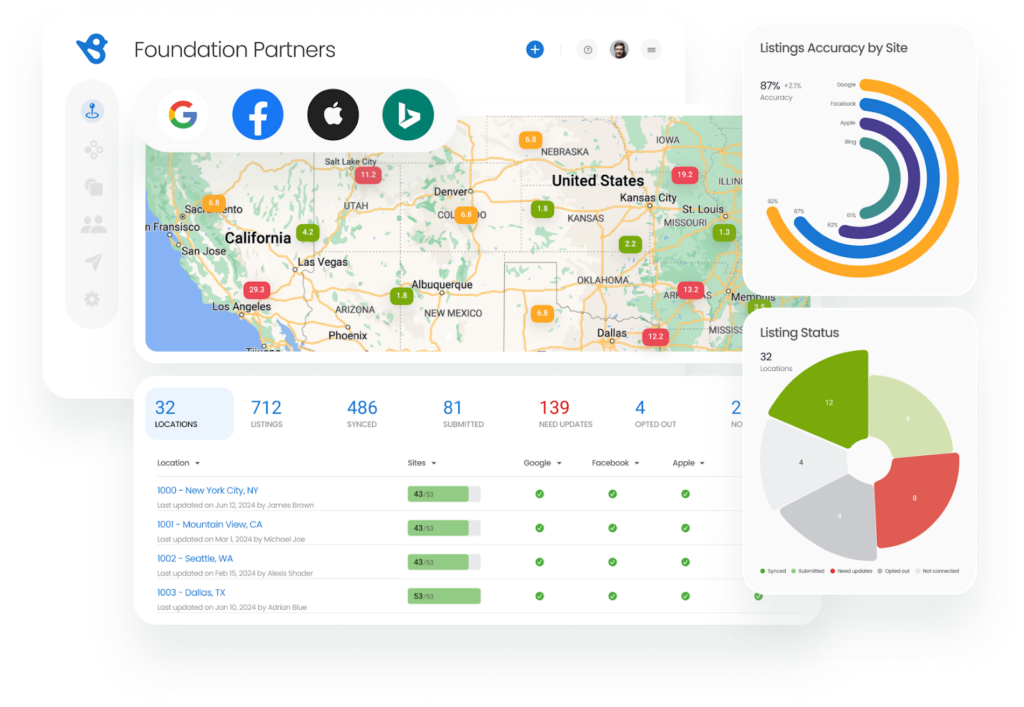
Success spotlight: How Foundation Partners Group scaled listing accuracy across 250+ locations
Foundation Partners Group demonstrates how centralized listings governance improves visibility, reputation, and operational efficiency at enterprise scale.
The challenge
Foundation Partners Group operates more than 250 locations nationwide. Managing reviews, surveys, and listings manually created inconsistent data across platforms and made it difficult to maintain a reliable source of truth.
Outdated Google Business Profiles and fragmented updates limited visibility and slowed operational workflows.
What changed with Birdeye Listings Optimization Agent?
By implementing Birdeye’s Listings AI, Reviews AI, and Surveys AI, Foundation Partners centralized control of:
- Listing updates across directories
- Review monitoring and response management
- Location organization by region, brand, or segment
Listings AI created a centralized system for maintaining accurate location data across platforms.
The results
After centralizing listings governance:
- 7.8 million profile impressions
- 1.6 million website visits
- 10,000+ reviews managed across brands
- 97% review response rate
- 4.7-star average Google rating
Automated review requests tripled Google review volume, generating approximately 842 new reviews per month.
“Birdeye became our source of truth for online profiles. With hundreds of locations to manage, it allowed us to ensure accurate and consistent information across all platforms, saving us significant time and effort.”
Gwen Salaza, Director of Field Marketing
Frequently asked questions about business listing sites in the USA
Google Business Profile, Apple Business Connect, Bing Places, and Facebook drive the majority of local discovery. These platforms influence map visibility, AI-generated summaries, and location-based search results. Industry directories such as Healthgrades, Zillow, Avvo, and G2 can also drive high-intent discovery within specific sectors.
NAP consistency is critical for entity clarity across search engines and AI models. Search platforms compare business name, address, and phone data across directories to verify legitimacy. Inconsistent listings weaken prominence signals and can reduce eligibility for map results and AI-generated answers.
Yes. Verified listings consistently drive stronger visibility and engagement. Verified profiles are more likely to appear in map packs and local search results while enabling brands to manage photos, updates, and reviews. Verification gaps often create uneven performance across locations.
Reviews strengthen trust signals that influence both rankings and customer decisions. Listings with frequent reviews and timely responses tend to receive higher engagement across search and maps. Consistent review management also helps brands maintain credibility across multiple locations.
AI-ready listings are complete, verified, and consistently maintained across authoritative directories. They include accurate NAP data, updated photos, structured attributes, and active review engagement. These signals help search engines and AI platforms confidently surface a brand in discovery results.
Listings should be reviewed and refreshed at least quarterly. Brands should update hours, services, photos, and attributes whenever operational changes occur. Continuous monitoring ensures accurate information across search engines, maps, and directories.
Level up with these business listing sites and improve your reputation with Birdeye
Birdeye is the #1 Agentic Marketing Platform built for multi-location brands. It replaces fragmented marketing tools with one enterprise platform designed for scale, governance, and operational control. With 3000+ integrations, unified customer data, and custom AI agents trained on your brand and industry, Birdeye helps enterprises manage discovery, reputation, and customer experience across 100-10,000+locations from a single platform.
Below are the key capabilities that help brands govern their digital presence at scale.
Listings
Listings AI helps multi-location brands maintain accurate business information across search engines, maps, directories, and review platforms. Even small inconsistencies in listings can weaken trust signals and reduce visibility across search engines and AI discovery platforms.
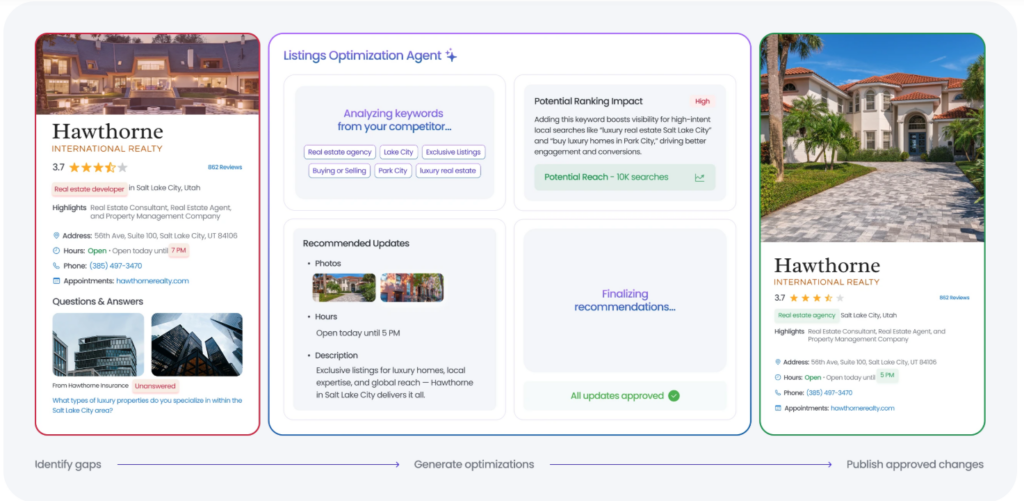
With Birdeye Listings, brands can:
- Continuously scan listings and competitor profiles, identifying gaps, keyword opportunities, and optimization improvements with the Listings Optimization Agent
- Synchronize business information across high-impact directories such as Google, Apple, Facebook, and Yelp
- Maintain consistent NAP data across thousands of locations
- Detect duplicate or outdated listings across the web
- Monitor listing accuracy and performance across markets
- Manage updates and approvals from a centralized dashboard
Search AI
Search AI helps brands benchmark and improve visibility in AI search. It shows how your brand appears across ChatGPT, Gemini, Perplexity, and other AI-driven discovery experiences, so teams can see where they lead, where they lag, and what to fix.
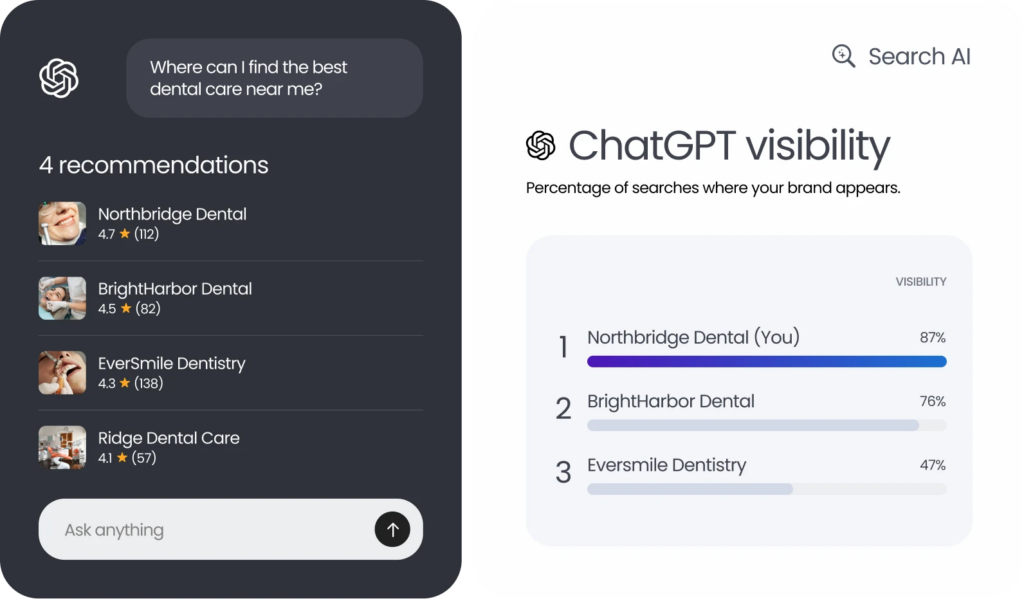
With Search AI, brands can:
- Measure AI visibility and compare performance against competitors by themes, prompts, and locations
- See which websites, listings, and forums shape AI answers through citations intelligence
- Track how accurately AI presents business information across 100-10,000+ locations
- Understand how AI describes the brand, including sentiment themes and recurring strengths or gaps
- Get recommended improvements and act on what’s missing, including updating listings, generating reviews, and optimizing website content
Reviews
Birdeye Reviews help brands manage and grow their online reputation across 200+ review platforms. Reviews are one of the most influential trust signals in both search results and AI-generated recommendations, shaping how customers discover and choose businesses.
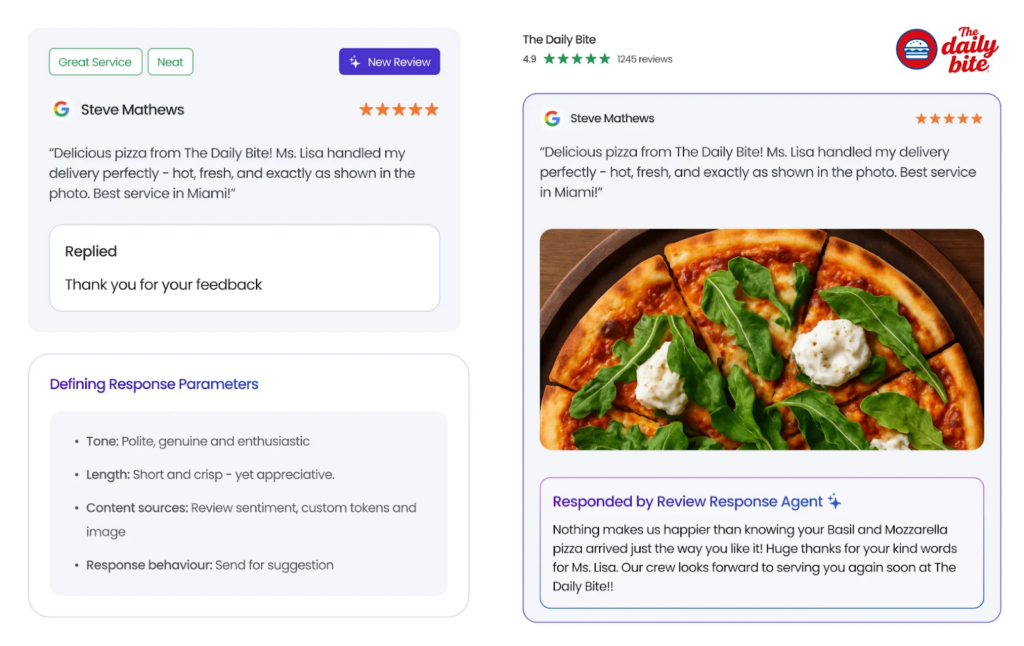
With Birdeye Reviews, brands can:
- Generate more customer reviews automatically using the Review Generation Agent, which sends review requests at the right time across the right channels
- Monitor reviews across 200+ review platforms from a centralized dashboard
- Respond instantly with personalized, on-brand replies using the Review Response Agent, which analyzes sentiment, images, and context
- Identify trends and performance insights with the Review Reporting Agent, which highlights patterns and issues across locations
- Analyze sentiment, ratings, and feedback trends to improve customer experience
Together, these capabilities allow brands to unify customer signals, maintain accurate listings, and strengthen discovery across search and AI platforms.
To see how Birdeye helps the world’s largest multi-location brands manage listings, reviews, and search visibility from one platform, watch the free demo by clicking the banner below.
About the Author

Shruti Dugar
Birdeye
Originally published